
The Impact of Learning Communities on Independent Skill Development: Finding Your Tribe
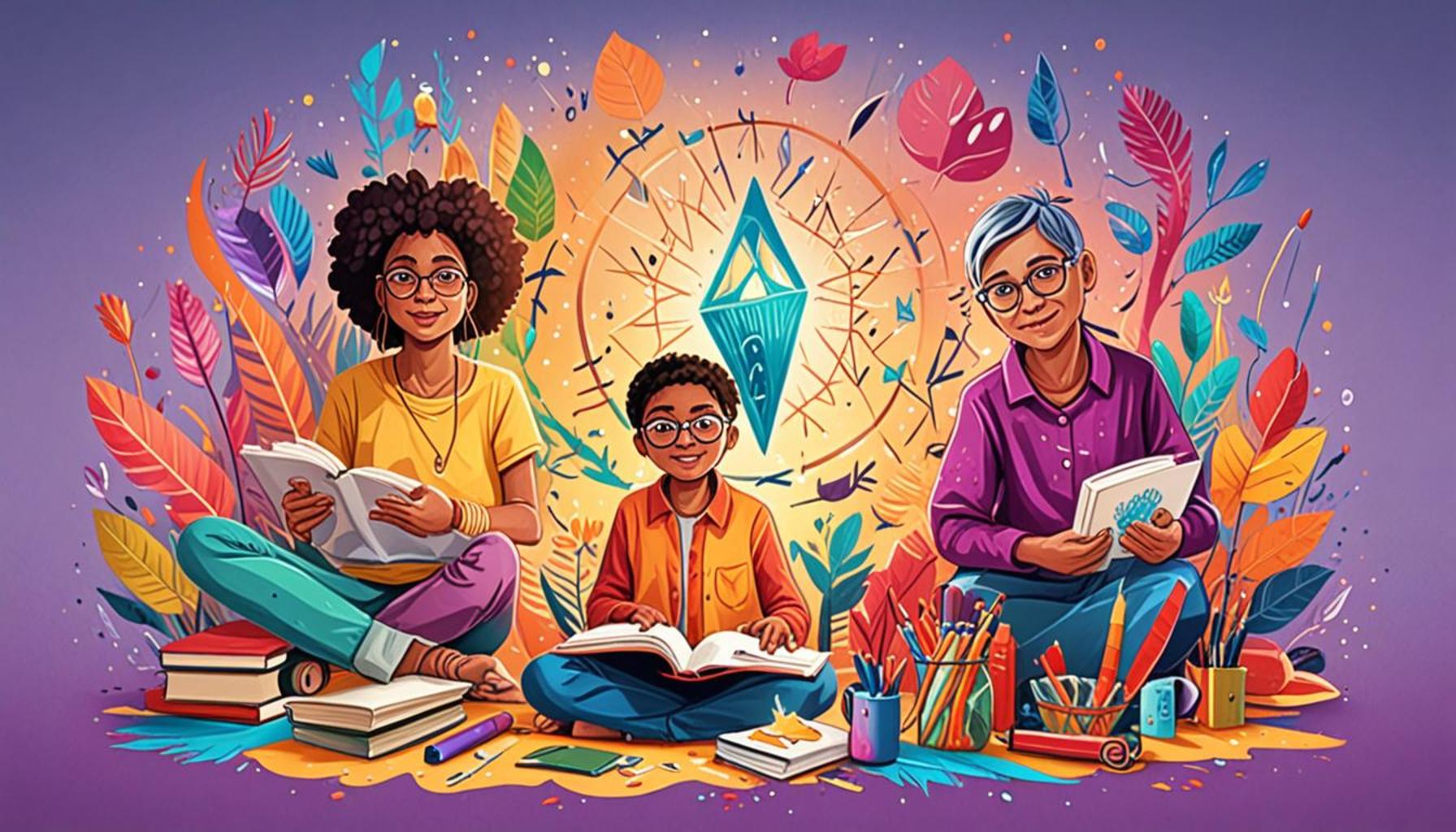
The Impact of Collaborative Learning on Skill Development
In today’s demanding and fast-paced environment, it’s more important than ever to cultivate skills that keep us competitive. One of the most effective methods for achieving this is through learning communities. These are dynamic groups of individuals who unite around shared interests and objectives, fostering a collaborative atmosphere that is advantageous for personal and professional growth.
Learning communities provide a rich array of benefits that can significantly enhance the development of both soft and hard skills. Consider the following features:
- Shared Knowledge: Members contribute a variety of experiences and expertise, which diversifies the learning process. For example, in a coding bootcamp, some may excel in Python while others might have specialties in JavaScript, creating an enriching environment where individuals can learn from one another.
- Accountability: Engaging within a community encourages commitment. When individuals know that their peers are aware of their goals, it often motivates them to stay on track. Think of it like a fitness group—friends push each other to stick to their workout regimens, and the same applies to learning.
- Networking Opportunities: The relationships formed in these communities can lead to invaluable partnerships and mentorships. For instance, a novice entrepreneur may find a seasoned business leader in a startup incubator who can provide critical guidance and insight necessary for success.
Many participants have discovered their “tribe” in specially-focused groups. Examples of these include:
- Technical Skills: Participants in coding bootcamps or technology meetups often form bonds over shared projects, which can lead to collaborative ventures post-course.
- Creative Pursuits: Workshops in writing or art collectives not only help individuals hone their craft but also allow for constructive peer feedback, which is essential for the creative process.
- Entrepreneurship: Business networks and startup incubators facilitate not just learning but also provide platforms to pitch ideas to potential investors, thereby accelerating business ventures.
The influence of these communities on personal development is nothing short of transformative. Members benefit from collective resources, support systems, and a shared sense of purpose that propel their educational endeavors. By immersing oneself in a community that shares similar aspirations, individuals can unlock new pathways to enrich their skill sets and achieve their goals. Explore how connecting with others can revolutionize your approach to skill development and lead to unforeseen opportunities.
DISCOVER MORE: Click here to discover the advantages of peer accountability
Unleashing Potential Through Shared Experiences
The transformative power of learning communities cannot be overstated when it comes to developing independent skills. Within these environments, individuals are not just passive recipients of knowledge; instead, they become active participants in a process that can dramatically shape their careers and personal interests. When individuals come together with mutual interests, vibrant discussions and collaborative projects ignite a process of discovery that is often absent in traditional learning settings.
One of the most significant aspects of learning communities is the natural interplay of diverse perspectives. This melding of different backgrounds, experiences, and skills creates a learning ecosystem where innovation thrives. For instance, a group of aspiring digital marketers might comprise individuals from various industries—someone from the fashion sector might offer unique insights into visual branding, while a tech enthusiast might dissect data-driven strategies. By pooling these unique viewpoints, participants can access a broader spectrum of knowledge that enhances their independent skill development.
Additionally, the element of mentorship within these communities plays a pivotal role. In many cases, veteran members are eager to share their wisdom with newcomers. This exchange can take many forms—from structured feedback sessions to informal chats over lunch. Such interactions can provide not only guidance but also inspiration. Consider an artist in a community who not only shares critiques of your work but also recounts their experiences navigating the art market. This mentorship is invaluable in helping individuals outside of academia gain practical insights that traditional classrooms may overlook.
Furthermore, learning communities often encourage a sense of entrepreneurial spirit among their members. For those in startup ecosystems, the fusion of ideas can lead to the creation of innovative projects and businesses. For example, a few members of a coding meetup might band together to launch a tech solution addressing a specific issue they have collectively recognized. This collaborations foster not only skill improvement but also transformative experiences that can redefine career trajectories.
Countless Opportunities Await
Opportunities to enhance one’s abilities through learning communities are abundant. Below are specific categories where individuals often find their tribe and flourish in independent skill development:
- Science and Technology: Specialized groups focused on fields like biotechnology or artificial intelligence offer members the chance to engage in collaborative research projects.
- Health and Wellness: Support groups for health coaches or personal trainers create interactive settings for sharing techniques and building best practices.
- Creative Arts: Here, artists can partake in workshops, exhibitions, or art showcases that encourage exploratory feedback among peers.
- Social Impact: Learning communities focused on social issues often bring together activists and changemakers seeking to drive positive societal change.
Through these connections, individuals can cultivate an invaluable toolkit of skills derived from real-world experiences, feedback, and collaboration. Finding your tribe in these spaces can lead to defining moments in your personal and professional life, ultimately empowering you to navigate your independent skill development journey with confidence and clarity.
| Advantages | Details |
|---|---|
| Enhanced Collaboration | Learning communities foster teamwork and remove barriers to collaboration. |
| Access to Diverse Perspectives | Members gain insights from various backgrounds, enriching their skillset and adaptability. |
| Increased Motivation | The support system in these communities boosts accountability and encourages progress. |
| Effective Feedback Loops | Constructive criticism from peers leads to continuous improvement in skill development. |
This table illustrates the significant advantages of being a part of learning communities, essential for independent skill development. The inclusion of enhanced collaboration emphasizes how teamwork and collaboration play a crucial role in skill acquisition and application. Furthermore, access to diverse perspectives enables members to broaden their horizons and adapt to new challenges effectively. Increased motivation is another critical aspect as a supportive environment encourages individuals to take ownership of their learning journey. Lastly, effective feedback loops within these communities encourage continuous improvement and growth, guiding members to refine their skills consistently. With such compelling benefits, it’s clear that finding your tribe can profoundly impact your personal and professional development.
DISCOVER MORE: Click here for deeper insights
Cultivating Connections for Lifelong Learning
In addition to the immediate benefits of knowledge sharing and mentorship, learning communities foster long-term relationships that bolster continuous independent skill development. Interactions in these environments often transcend the academic or professional realm, evolving into friendships that extend support and encouragement even outside scheduled meetings. This social aspect is crucial, as studies emphasize the importance of emotionally supportive networks in skill acquisition and professional growth. By being surrounded by like-minded individuals who share similar aspirations, learners are more inclined to persevere through challenges.
As members of a learning community engage in peer-to-peer learning, they discover that sharing knowledge is reciprocal. Opportunities for teaching others solidify one’s own understanding and expertise. For example, a participant who leads a workshop on public speaking not only refines their own oratory skills but also helps fellow community members to overcome their anxiety in front of an audience. This cyclical exchange reinforces the idea that teaching is one of the most effective ways to learn, thus cultivating a thriving environment for independent skill development.
Moreover, the flexibility of learning communities allows for personalized learning experiences. In traditional education settings, one-size-fits-all approaches often leave some students behind, while others may feel unchallenged. In contrast, learning communities can tailor experiences to meet the diverse needs of individuals. Whether it is organizing a coding hackathon or a writing retreat, participants can engage in hands-on experiences that align with their specific skill prerequisites and interests. This adaptability leads to a more relevant and impactful learning journey.
Another significant aspect of learning communities is their ability to create an accountability structure. Being part of a tribe means that individuals are more likely to stay committed to their goals. For instance, a group of aspiring entrepreneurs may set regular meetups to discuss progress, brainstorm ideas, and share setbacks. This shared commitment fosters a sense of responsibility toward one another, which can act as a powerful motivational force, propelling each member forward in their independent skill endeavors. According to a survey conducted by the American Society for Training and Development, individuals are 65% more likely to achieve their goals if they have a buddy or peer support.
Leveraging Technology in Learning Communities
Today, many learning communities utilize technology to enhance participants’ experiences. Online platforms and social media have become vital tools for connection and collaboration. Virtual study groups, webinars, and forums allow for the democratization of knowledge, where resources can be shared across geographical boundaries. Through platforms like Zoom or Slack, learners can maintain engagement and accomplish goals regardless of physical constraints. The emergence of these digital spaces addresses the accessibility of learning communities, enabling even the busiest individuals to plug into support networks that harbor their interests.
In this vein, specialized online platforms have arisen, targeting specific interests and fields. For instance, websites tailored for software developers or online writers create expansive networks, providing a cutting-edge approach to independent skill development. The agility of these platforms allows individuals to find their niche and develop skills relevant not only to their personal ambitions but also to the evolving demands of the job market. As competition increases and industries continue to adapt, the importance of participating in such specialized learning communities will only grow, positioning members to stay ahead of the curve.
In summary, finding your tribe within learning communities is an enriching experience that can significantly enhance your ability to develop independent skills. These collective spaces not only provide opportunities for knowledge exchange but also nurture ongoing relationships, tailored learning experiences, and ongoing accountability, all while leveraging technology to create access and support for every learner.
DISCOVER MORE: Click here to delve deeper
Conclusion: Embracing the Power of Community for Skill Advancement
Ultimately, the influence of learning communities on independent skill development cannot be overstated. By joining forces with others who share similar aspirations, individuals unlock a myriad of benefits that propel them towards success. These communities provide vital emotional support and foster accountability, creating a nurturing environment where learners can thrive. The reciprocal nature of peer-to-peer learning ensures that knowledge flows freely, enhancing understanding and reinforcing skills for both the mentor and mentee.
As we have explored, personalized learning experiences crafted within these communities cater to the unique needs of each individual, paving the way for meaningful growth. The integration of technology further amplifies these advantages, enabling flexible and accessible learning avenues that extend beyond physical constraints. The rise of online platforms specifically tailored for various interests illustrates the commitment to fostering relevant skill development in an ever-evolving job market.
In this age of rapid change and competition, finding your tribe is essential. It not only enhances individual capabilities but also fortifies a sense of belonging and purpose. As learners engage with like-minded peers, they equip themselves with the tools necessary to navigate challenges and pursue their ambitions. Therefore, consider seeking out a learning community that resonates with your goals; doing so might just be the key to unlocking your fullest potential. Embrace the opportunity to grow together and discover how profoundly impactful these connections can be for independent skill development.