
Setting Goals for Self-Learning: How to Select Resources That Align with Your Objectives

Navigating the Landscape of Self-Learning
In a world where technological advancements and shifting job markets create constant change, the ability to self-learn is becoming a cornerstone of both personal satisfaction and career success. From understanding new software applications to acquiring soft skills like public speaking, self-directed learning enables individuals to adapt and thrive. This approach not only fosters resilience but also ignites a passion for lifelong learning that can significantly enhance one’s quality of life.
So, how does one initiate this journey of knowledge acquisition? The first step is to define your objectives. Take a moment to reflect on your personal and professional aspirations. Are you looking to pivot to a new career path, or perhaps deepen your understanding of a subject that excites you? It’s vital to articulate clear goals. For example, an aspiring graphic designer should aim to learn specific software platforms, such as Adobe Creative Suite, while someone interested in data science might focus on Python programming and statistical analysis.
Next, you must identify resources that will propel you toward your objectives. In today’s digital age, the options are nearly limitless. Consider platforms like Coursera, where you can enroll in university-level courses taught by industry professionals. Alternatively, sites like Khan Academy cater to a more diverse range of subjects, perfect for enhancing foundational knowledge. Additionally, don’t overlook the wealth of information in books, documentaries, and podcasts. For instance, “Atomic Habits” by James Clear provides insightful strategies for habit formation, which can be incredibly beneficial as you structure your self-learning routine.
Measuring your progress is essential to staying motivated. Develop a system to evaluate your learning. This could include self-assessments, keeping a journal to reflect on what you’ve learned, or even sharing your knowledge with others. For example, you might choose to create a blog where you summarize key lessons or discuss newly acquired insights, which not only reinforces your learning but also engages a community of like-minded learners.
Selecting the right resources is critical. Given the overwhelming amount of information, focus on those that are reputable, relevant, and engaging. Reputable platforms provide high-quality content—think edX for university-level courses or LinkedIn Learning for professional development. Relevance ensures that the materials align with your goals, while engagement keeps your interest piqued. Look for courses that include interactive elements, such as quizzes, discussions, or projects, to maintain enthusiasm.
As you embark on this self-learning journey, remember that the path is just as important as the destination. Cultivating a well-thought-out strategy for setting clear goals and choosing suitable resources can profoundly shape your educational experience. Embrace the transformation that comes with self-learning, and you just might unlock new opportunities and potentials you never knew existed.
DIVE DEEPER: Click here to learn more about the power of routines
Defining Clear Objectives to Guide Your Learning Journey
Setting clear and actionable goals is the cornerstone of effective self-learning. Without a roadmap, it’s easy to get sidetracked or overwhelmed by the multitude of options available. Start by conducting a personal inventory of your interests, as well as your current skills and knowledge gaps. This will help you identify what you genuinely want to learn and why it matters to you. For instance, if you’re passionate about technology and wish to transition into software development, you might set goals such as mastering HTML, CSS, and JavaScript within the next six months. Conversely, if your aim is to improve your public speaking skills, your goal could include enrolling in a workshop and delivering a presentation by the end of the quarter.
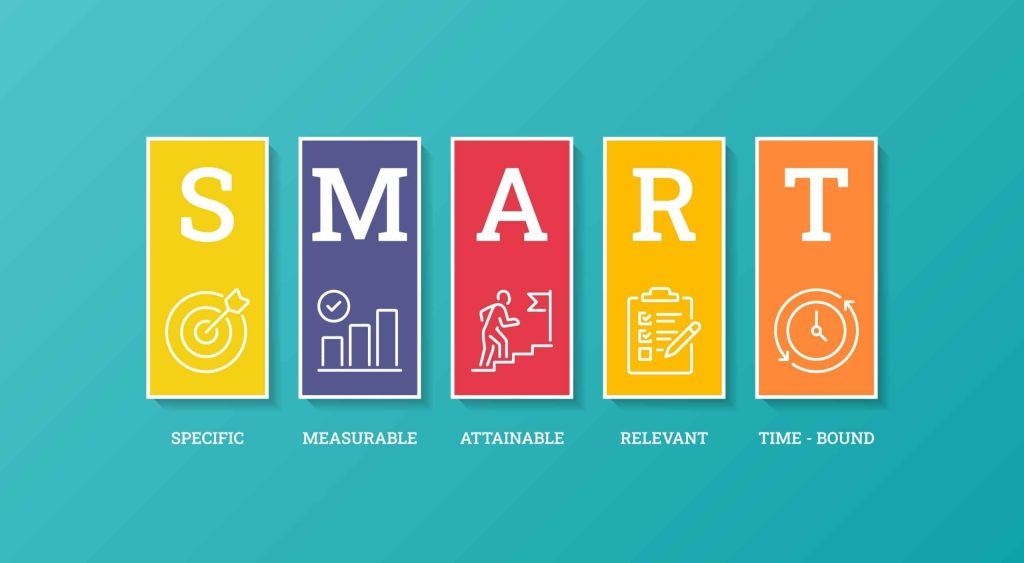
Next, think SMART—Specific, Measurable, Achievable, Relevant, and Time-bound. Each of your goals should meet these criteria to ensure they remain focused and attainable. Here’s a breakdown:
- Specific: Define the goal clearly. Instead of saying “I want to learn photography,” aim for “I want to master DSLR photography techniques.”
- Measurable: Establish metrics to track progress. For example, “I will complete one photography project every month.”
- Achievable: Set realistic goals considering your current commitments. If you are working full-time, ensure your learning objectives are manageable within your schedule.
- Relevant: Ensure your goals align with your long-term aspirations. Learning how to use photo-editing software makes sense if you aim to become a professional photographer.
- Time-bound: Assign deadlines for your goals to instill a sense of urgency. A time frame keeps you accountable, such as “I will submit my portfolio by the end of November.”
By framing your objectives in this manner, you’ll create a structured approach to learning that propels you toward success. Once you’ve outlined your goals, you can begin to seek out resources that fit the bill.
Finding High-Quality Resources
The abundance of learning materials available today can be both a blessing and a curse. To effectively sift through the noise, consider leveraging curated lists and trusted platforms that resonate with your specific needs. Start by revisiting your goals—this way, you can align your resource selection closely with your learning objectives. Investigate reputable online courses that offer certificates or credentials recognized in your field. Websites like edX, Coursera, and Udacity provide high-caliber courses facilitated by industry professionals and renowned universities.
Additionally, explore various mediums to supplement your learning experience. These can include:
- Books: Essential reads like “The Lean Startup” by Eric Ries or “Deep Work” by Cal Newport can offer foundational insights on entrepreneurship and productivity.
- Podcasts: Audio learning options like “How I Built This” feature interviews with entrepreneurs that can provide inspiration and practical advice.
- YouTube Channels: Channels like TED-Ed or CrashCourse deliver concise and informative content on a variety of subjects.
As you compile your learning resources, prioritize those that emphasize interactive elements. Materials that combine visual, auditory, and kinesthetic learning styles often yield better retention and understanding. Engaging with the content, whether through quizzes or community discussions, will also foster a more immersive experience.
By thoughtfully defining your goals and seeking appropriate resources, you lay the groundwork for a transformative self-learning journey that can expand your horizons and help you achieve your aspirations.
| Resource Type | Advantages |
|---|---|
| Online Courses | Flexibility to learn at your own pace and wide range of subjects. |
| Books and eBooks | In-depth coverage of topics and the ability to reference materials easily. |
| Webinars and Workshops | Interactive learning experiences promoting engagement and Q&A sessions. |
| Podcasts | Convenient and accessible learning while commuting or multitasking. |
Establishing a well-structured approach to your self-learning journey requires a thoughtful selection of resources that cater to your personal objectives. Focusing on various resource types can significantly enhance your ability to meet your learning goals. For instance, online courses provide an excellent platform for learners seeking flexibility, allowing them to dive into a wide array of subjects at their own pace. This format is particularly effective as it often includes multimedia elements that enrich the educational experience.Conversely, books and eBooks offer the benefit of depth in topics that may not always be available in shorter formats. They allow learners to engage with material at their leisure and easily reference important concepts.Furthermore, participating in webinars and workshops can foster an interactive learning environment. This format uniquely enables participants to ask questions in real-time, further deepening understanding through direct engagement with experts.Lastly, utilizing podcasts provides an uncommon but efficient way to learn while on the go. They allow you to absorb knowledge passively while fulfilling other daily activities. This resource is particularly beneficial for self-learners with busy lifestyles looking to optimize their time effectively. Choosing from these resource types ensures a robust learning experience that aligns seamlessly with your personal objectives, making your self-learning journey both efficient and rewarding.
DISCOVER MORE: Click here
Evaluating and Customizing Learning Resources
Once you have identified and gathered potential resources tailored to your learning objectives, the next vital step is to evaluate their quality and relevance to ensure that they will effectively support your goals. In this digital age, it’s easy to become overwhelmed by the sheer volume of information available. A methodical assessment will help you navigate this landscape and select resources that truly resonate with your needs.
Start by checking reviews and ratings from other learners. Websites like Course Report and Class Central provide valuable insights into user experiences with various online courses and platforms. Feedback from peers who share similar learning aspirations can inform your choices, enabling you to prioritize high-quality resources. Moreover, consider the experience and credentials of the instructors. A course led by industry leaders or experienced educators often guarantees a more enriching learning experience, as they can offer real-world perspectives alongside theoretical knowledge.
As you evaluate resources, remember to consider your preferred learning style. Some individuals grasp concepts better through visual aids, while others might thrive in interactive or hands-on learning environments. For instance, if you learn best through practice, opt for resources that offer project-based assignments, coding challenges, or simulations. Websites like Codecademy or Pluralsight cater specifically to learners seeking interactive and immersive experiences.
The importance of community and support cannot be emphasized enough. Look for platforms that foster collaboration and connection among learners. Join discussion forums such as Reddit or specialized Facebook groups where you can share insights, ask questions, and network with fellow self-learners. Engaging with a learning community can provide motivation and alleviate feelings of isolation, especially for those embarking on challenging topics.
Creating a Structured Learning Plan
With your objectives and resources in place, it’s time to develop a structured learning plan. A well-structured plan acts as a guide, allowing you to allocate dedicated time to your studies amidst life’s various obligations. Start by breaking down your broader goals into smaller, manageable milestones. If your ultimate objective is to become proficient in data analysis using Python, you might set milestones such as completing an introductory Python course and mastering data visualization techniques over a specified timeline.
Utilizing tools like Trello or Asana can help you visually map out your learning journey. Create checklists, set deadlines for each milestone, and track your progress. This organized approach not only promotes accountability but also builds a sense of accomplishment as you check off completed tasks. Remember to incorporate regular review sessions within your plan. Assessing your understanding and retention of the material will enable you to adjust your learning methods and revisit areas that require further exploration.
Lastly, don’t hesitate to pivot. Depending on your findings from resource evaluation and progress assessments, it might be necessary to modify your goals or choose alternate materials. Flexibility is crucial in the self-learning process. If a particular course is not aligning with your expectations, it’s an opportunity to seek alternatives that might resonate better with your learning style and objectives. Stay receptive to new ideas and resources, as the world of self-education is continually evolving.
By taking the time to evaluate your resources and create a structured plan tailored to your learning objectives, you enhance your chances of achieving success on your self-learning journey. It’s a strategy that transforms abstract goals into tangible outcomes, paving the way for significant personal and professional growth.
DISCOVER MORE: Click here to dive deeper
Conclusion
In the ever-evolving landscape of self-learning, effectively setting goals and selecting appropriate resources is paramount to your success. The journey toward self-education begins with a clear understanding of your objectives. By forging a connection between your aspirations and the resources at your disposal, you can transform your educational experience into a meaningful and impactful endeavor.
As we have explored, thorough evaluation of learning materials is essential. Utilizing platforms that provide reviews and ratings, assessing the qualifications of instructors, and considering your unique learning style will significantly enhance your resource selection process. Moreover, embracing community engagement can amplify your learning journey—through collaboration, shared insights, and motivation from peers, you create a supportive environment that fosters growth.
Moreover, structuring your learning plan cannot be overstated. By breaking down your goals into achievable milestones, utilizing organizational tools, and remaining flexible, you allow yourself to adapt and thrive amidst challenges. This systematic approach not only fosters accountability but also encourages a sense of accomplishment as you progress toward your goals.
Ultimately, the pursuit of self-learning is a dynamic and fulfilling process. By continuously reflecting upon your goals and resource selection, you are positioned to pivot and explore new avenues that align with your evolving interests. Armed with strategy and determination, the path to personal and professional development through self-learning is limitless. Embrace the journey, and let your ambitions lead the way.