Building a Personal Learning Library: Tips for Collecting and Organizing Resources
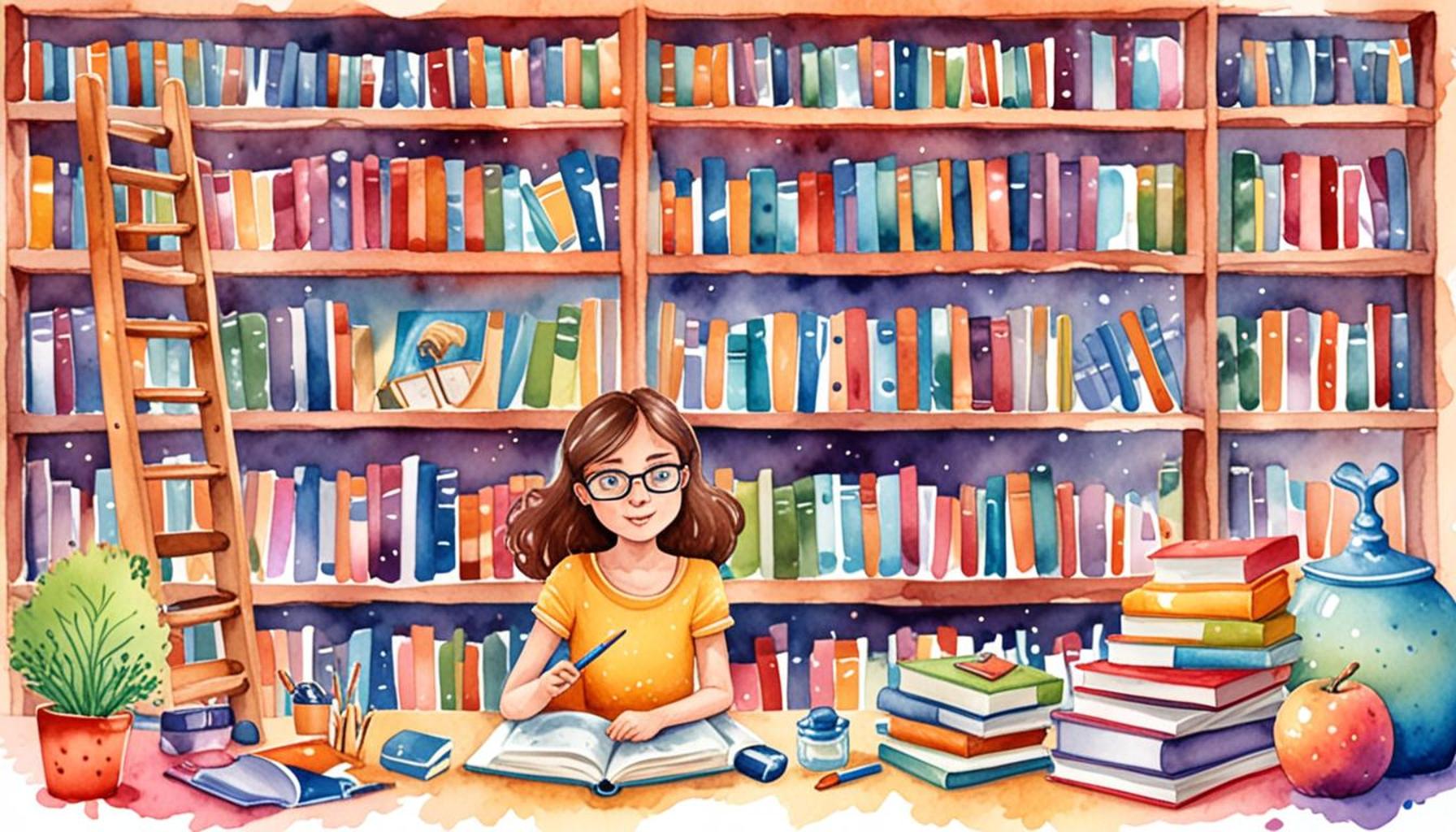
Creating Your Personalized Learning Hub
In an age where information is abundant, building a personal learning library can unlock countless opportunities for growth. Whether you’re a student, a professional, or simply a curious mind, collecting and organizing resources is essential for effective learning. Having a structured library not only allows you to access materials efficiently but also fosters continuous education, enabling you to stay relevant in an ever-evolving world.
Consider these key elements when starting your library:
- Types of resources: Your learning library can encompass a wide range of formats. Books provide in-depth knowledge, while articles offer bite-sized information. Podcasts introduce new ideas and perspectives during your commute or workout, while online courses from platforms like Coursera or Udemy allow for structured learning experiences on various subjects.
- Formats: Embrace an array of formats to suit your learning style. Digital PDFs are convenient and easily accessible across devices, while physical books can create a tangible connection to the material. Multimedia content, such as videos or interactive workshops, engages multiple senses, making learning more dynamic.
- Topics: It’s essential to curate resources that resonate with your personal and professional aspirations. Focus on personal development with self-help books, explore career skills through industry-specific resources, or dive into new hobbies with DIY blogs and tutorial videos. The breadth of subjects available ensures there’s always something new to learn.
Organizing your personal library can be equally important. The right system can ensure that information is easy to retrieve and utilize. Here are some methods to consider:
- Digital tools: Use apps like Evernote or Notion for seamless digital organization. These platforms allow you to tag, categorize, and create notes for easy reference, making your library more navigable.
- Physical storage: Employ shelves, binders, or file boxes for tangible resources. Create an inviting reading nook in your home by displaying your collection in a way that encourages frequent interaction.
- Categorization: Sort materials by topics, authors, or formats for quick access. An organized system reduces time spent searching for materials, allowing you to focus on learning and retention.
Embracing these strategies not only enhances your learning experience but also cultivates a deeper understanding of subjects that intrigue you. For example, a well-organized library can help a budding entrepreneur find the right literature on business strategy quickly or enable a history enthusiast to easily explore various eras at a moment’s notice. As you curate your resources, keep exploring new formats and methods to enrich your library. The world is a vast reservoir of knowledge waiting to be accessed, and your personalized learning hub can be the key to unlocking it all.
EXPLORE MORE: Click here to unlock essential techniques
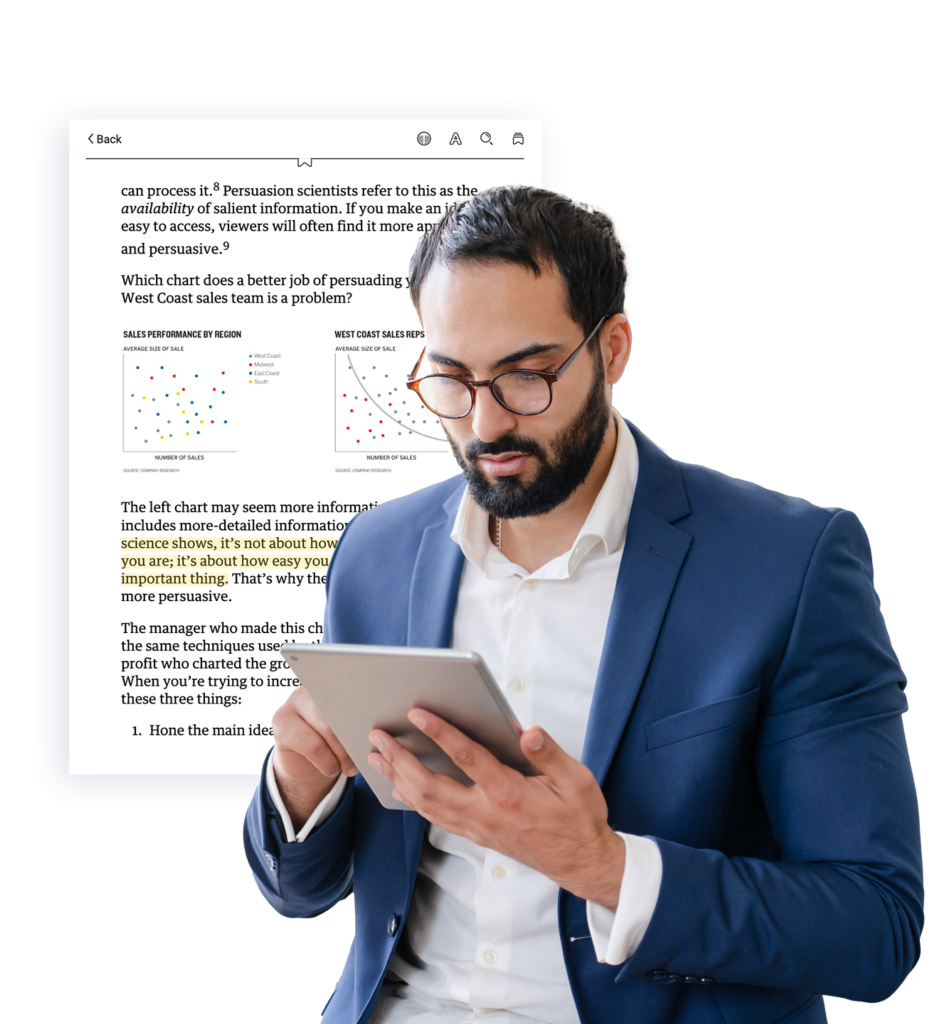
Your Learning Library: A World of Possibilities
As you embark on the journey of building your personal learning library, it’s important to recognize the vast array of resources available to you. The quest for knowledge is akin to embarking on an adventure—one that opens doors to experiences you might never have considered before. Recognizing this, let’s delve into some practical tips and strategies for both collecting and organizing resources that will enrich your educational pursuits.
One of the most essential steps in establishing a personal learning library is to identify the themes and interests that resonate with you. Think about the subjects you are passionate about or may want to explore in the future. These can range from professional development topics such as leadership, project management, or financial literacy to personal interests like photography, gardening, or even culinary arts. Listing out these topics can provide clarity on what materials you should focus on collecting.
Here are some methods to enhance your resource collection:
- Research Popular Resources: Investigate highly recommended books, articles, and podcasts in your areas of interest. Websites like Goodreads can help you discover essential reading lists, while platforms like Spotify host many insightful podcasts.
- Utilize Libraries and Bookstores: Take advantage of your local library’s digital resources or e-learning platforms. Many libraries partner with services like Hoopla and Libby for e-books and audiobooks. Additionally, visiting independent bookstores can often yield unique titles not easily found online.
- Follow Thought Leaders: Tune into experts in your chosen fields through social media, blogs, or newsletters. These individuals often share valuable insights and recommend resources that can sharpen your understanding of specific topics.
Once you’ve gathered a variety of materials, the next step is to focus on how you will organize them for easy access and efficient learning. A mix of digital and physical organization can cater to different engagement styles and preferences. Here are some effective organization strategies:
- Create a Tagging System: When storing digital files, use tags to classify materials, making it easier to search and retrieve them later. This can include tagging by keywords, authors, or even personal ratings of the material.
- Establish a Physical Layout: For physical resources, consider organizing them on shelves by category or theme. Labeling shelves can also serve as a reminder to explore different areas of your library.
- Incorporate a Review System: Designate time to periodically review your library. This could involve revisiting materials you’ve already read or encountered. Reflecting on what you’ve learned can reinforce your understanding and inspire further exploration.
By thoughtfully collecting and organizing resources, you not only cultivate a personal library that serves as a tool for learning but also embark on a lifelong journey of discovery. These initial steps lay the groundwork for a more profound engagement with knowledge and personal growth. As you continue to refine your approach, remember that your personal learning library is a place where curiosity thrives, waiting for you to unlock its full potential.
| Resource Type | Advantages |
|---|---|
| Books | In-depth knowledge and various perspectives on subjects. |
| Journals | Current research findings and peer-reviewed articles enhance your understanding. |
| Online Courses | Flexible learning at your own pace, with diverse topics to explore. |
| Podcasts | Accessible insights from experts, allowing multitasking while learning. |
Building a personal learning library is essential for those committed to continuous education. It allows you to curate resources that are tailored to your interests and professional needs, enabling a more effective and focused learning experience. By categorizing your resources into types such as books, journals, online courses, and podcasts, you can streamline access to information and maximize your learning potential.Books provide a comprehensive framework, offering in-depth knowledge on a range of subjects, while journals supply you with up-to-date research and important findings from experts in the field. Online courses offer the flexibility to learn at your own pace and explore new topics at your convenience. Additionally, podcasts deliver valuable insights that can be consumed while engaging in other tasks, making learning convenient and enjoyable.Creating an organized library allows for easier tracking of your learning progress, ensuring that you stay on target with your educational goals. Each resource type has unique benefits, paving the way for innovative learning strategies that cater to your personal style and preferences.
DISCOVER MORE: Click here to enhance your learning techniques
Enhancing Your Library: Strategies for Continuous Growth
With a solid foundation established through the collection and initial organization of your personal learning library, the next step is to think about enhancement and growth. A personal learning library is not a static entity; rather, it thrives on the dynamism of ongoing learning. As subjects evolve and new insights emerge, your library should reflect these changes, adapting to your interests over time.
Here are some innovative strategies for keeping your library fresh and relevant:
- Join Learning Communities: Engage with online communities such as forums, social media groups, or platforms like Reddit and Quora where like-minded learners and professionals discuss topics that resonate with your interests. Participating in these communities allows you to discover recommended readings, courses, and more, broadening your resource pool.
- Subscribe to Curated Content: Consider subscribing to newsletters or platforms like Goodreads and Feedly, which aggregate articles and books based on your chosen subjects. This ensures that you remain updated with the latest trends and emerging ideas directly related to your interests.
- Attend Workshops and Webinars: Continuously seek opportunities to participate in workshops, webinars, or local meetups. These interactions not only expand your knowledge but also connect you with industry experts and fellow learners, helping you come across valuable resources that can enhance your library.
Next comes the critical aspect of maintaining your library’s relevance and usability. Here are effective tips to ensure your library remains a go-to resource:
- Utilize Digital Note-taking Tools: Incorporate tools like Notion, Evernote, or Microsoft OneNote. These platforms allow you to take notes, bookmark resources, and even create outlines that can be linked to specific books or articles in your library.
- Set Up an Automatic Acquisition System: Consider using apps like Scribd or Audible, where functionality allows for a continual acquisition of new titles based on your interests. This systematic approach keeps your library evolving effortlessly.
- Develop a Habit of Sharing Knowledge: Start a blog or a social media page to share your learnings. Articulating your thoughts not only deepens your understanding but can also inspire others to engage with your resources, thus creating a sharing ecosystem.
In addition to physical books and online articles, incorporate multimedia resources that accommodate different learning styles. Consider integrating documentaries, TED Talks, and educational videos into your library. For example, platforms like YouTube Education and Coursera offer a wealth of content that can provide additional context and enrichment to the subjects you are studying.
Finally, a critical consideration for all learners is to actively foster a growth mindset. By remaining open to new ideas, perspectives, and even challenges, you empower yourself to dive deeper into your areas of interest. This approach not only enhances your learning experience but also keeps your personal library engaged and dynamic, a true reflection of your thirst for knowledge.
As you explore the myriad ways to cultivate and invigorate your personal learning library, remember that the journey is just as important as the destination. The resources you choose to include and the methods you adopt for organization are stepping stones on your path to lifelong learning. Your library exists to inspire discovery and foster a culture of curiosity—and with the right strategies, it will do just that.
DISCOVER MORE: Click here to enhance your learning
Conclusion: Cultivating Your Personal Learning Library
In conclusion, building a personal learning library is not merely an act of collection; it is an ongoing journey that encourages exploration and the pursuit of knowledge. The foundation of your library, established with intent and care, opens the door to transformative learning experiences tailored to your interests. By integrating innovative strategies and tools mentioned throughout this article, you empower yourself to keep your library vibrant and relevant.
As you actively seek out new resources—from joining learning communities and subscribing to curated content to participating in workshops and leveraging digital tools—you cultivate an environment that thrives on continuous growth. Moreover, incorporating multimedia resources can adapt your library to the various ways you learn, ensuring that you remain engaged and curious. Yet, the essence of a flourishing library lies in your willingness to embrace a growth mindset, allowing you to explore uncharted territory and challenge your understanding.
Ultimately, your personal learning library is a reflection of your intellectual journey—a living collection that not only organizes knowledge but also inspires discovery and celebrates the joy of learning. By fostering a culture of curiosity and open-mindedness, you not only enhance your own learning experience but also potentially inspire those around you. Let your library be a testament to your passion for knowledge, a dynamic resource guiding you through the ever-evolving landscape of information.