Blending Learning Modalities: Choosing Resources That Combine Different Learning Techniques
The Importance of Blending Learning Modalities
In the increasingly diverse educational environment of the United States, the traditional one-size-fits-all approach to teaching is being replaced by more dynamic and inclusive strategies. This evolution highlights the importance of blending various learning modalities to cater to the diverse needs of learners. Understanding and implementing this approach can significantly enhance both educational outcomes and the enjoyment of the learning process. Here’s why integrating multiple learning techniques is essential:
- Diverse Learning Styles: Research indicates that individuals possess a variety of learning preferences, commonly categorized into three primary modalities: visual, auditory, and kinesthetic. For example, visual learners thrive on diagrams and charts, while auditory learners benefit from lectures and discussions. Kinesthetic learners prefer hands-on experiences. By combining these methods, such as incorporating infographics alongside lectures or using physical objects in problem-solving scenarios, educators can ensure that every student finds a way to connect with the material.
- Improved Engagement: The use of varied resources not only meets different learning styles but also keeps students engaged. For instance, a lesson that integrates video content, followed by a group discussion, and concludes with a creative project can ignite interest and encourage active participation. Studies have shown that when students are engaged, they are more likely to retain information and perform better academically.
- Flexibility: One of the hallmarks of blended learning is its adaptability. This approach allows educators to customize lessons based on the unique needs of their classrooms. For instance, using online platforms allows students to revisit lecture materials at their own pace, while in-class activities can focus on collaborative projects. Such flexibility accommodates different skill levels and learning speeds, promoting a more inclusive classroom environment.
To successfully implement a blended learning approach, educators can harness a variety of resources:
- Online Platforms: Websites such as Khan Academy or Coursera offer a wealth of video tutorials and interactive quizzes that can complement traditional classroom instruction. These platforms enable students to engage with content on their own terms, further reinforcing what they learn in class.
- Workshops: Educational workshops provide hands-on experiences that can solidify theoretical knowledge. For example, a science workshop where students conduct experiments can make textbook concepts more tangible and relatable.
- Mixed Media: Combining formats like podcasts with written materials enhances comprehension and retention. Students can listen to a podcast during their commute and then engage with supplementary reading to deepen their understanding of the topic.
As the landscape of learning continues to shift, exploring the fusion of different modalities opens up new avenues for student engagement and success. Embracing a blended learning model not only empowers educators but also enriches the educational experience for every student. The future of education is undoubtedly bright, especially as we explore how these innovative approaches can reshape the learning experience.
DISCOVER MORE: Click here for insights on deliberate practice
Exploring Blended Learning Resources
Successfully implementing a blended learning approach requires thoughtful selection of resources that can effectively combine different learning techniques. Educators face the challenge of navigating an ever-expanding landscape of tools and methodologies. To facilitate this transition, it is essential to understand the available resources and how they can be strategically integrated into the classroom. Here are some key resources to consider:
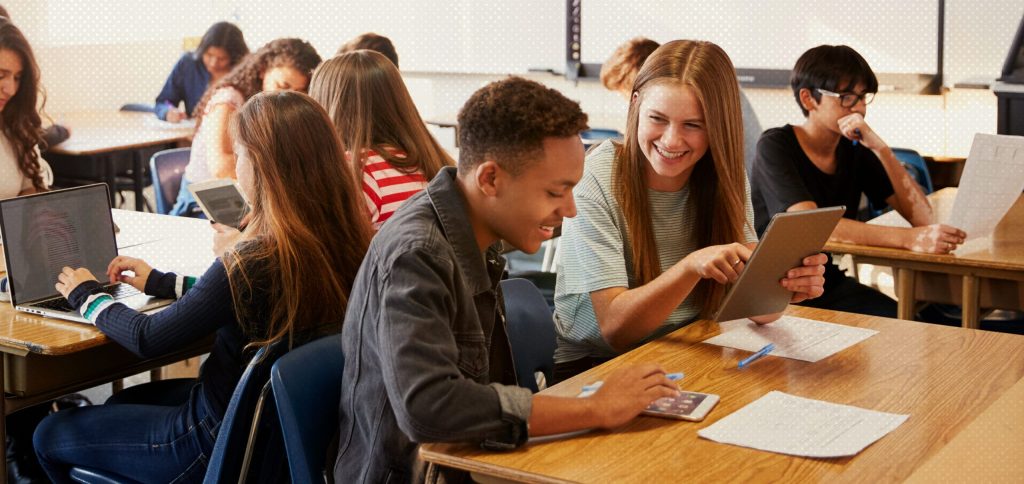
- Interactive Learning Apps: With the rise of technology in education, interactive applications such as Quizlet and Nearpod have become invaluable tools. These platforms offer diverse functionalities, including quizzes, flashcards, and even real-time question-and-answer sessions, enabling students to engage interactively with the content. By incorporating apps, teachers can create a more vibrant and collaborative learning environment.
- Video Content and Educational Channels: Platforms such as YouTube and TED-Ed provide an extensive library of educational videos that can illustrate complex concepts in an accessible format. Videos not only cater to visual learners but also allow for pause and replay functions, enabling students to absorb information at their own pace. For example, a teacher might assign a TED-Ed video on climate change and facilitate a subsequent discussion to apply insights gained from the video.
- Project-Based Learning Resources: Tools geared toward project-based learning, such as Google Classroom or Trello, can help students manage collaborative projects. These resources promote active engagement as students apply theoretical knowledge to real-world scenarios, enhancing problem-solving skills. Furthermore, by incorporating peer assessment features, students learn to give and receive constructive feedback, fostering critical thinking and reflection.
- Augmented Reality (AR) and Virtual Reality (VR): The emergence of AR and VR technology offers exciting possibilities for blended learning. For instance, platforms such as Google Expeditions allow students to take virtual field trips to historical sites or explore complex human anatomy immersively. By engaging multiple senses, these technologies enrich the learning experience and foster a deeper understanding of the subject matter.
As educators explore the myriad options available, it is crucial to focus on how these resources can work synergistically. For example, a blended lesson might begin with a video introduction to a concept, followed by an interactive quiz on a learning app, and culminate in a project-based application of the knowledge gained. This multilayered approach not only benefits diverse learning styles but also enhances knowledge retention.
In summary, blending learning modalities creates a rich tapestry that caters to varied educational needs. By thoughtfully selecting and integrating diverse resources, educators pave the way for a more inclusive and effective learning environment. The journey toward discovering the perfect blend may be ongoing, but the potential to transform student engagement and success is undeniably worth the effort.
| Category | Description |
|---|---|
| Interactive Learning Tools | Engage learners with resources like quizzes and simulations that provide immediate feedback. |
| Multimedia Resources | Enhance understanding through videos, podcasts, and infographics that cater to different learning styles. |
| Collaborative Platforms | Foster teamwork and communication using forums and group projects, which promote peer learning. |
| Gamification | Motivate learners by integrating game-like elements to make the learning process enjoyable and competitive. |
Exploring the theme of “Blending Learning Modalities” is not just about mixing traditional methods with innovative techniques—it’s about optimizing the educational experience to cater to diverse learning needs. By harnessing resources that combine various learning approaches, educators and learners alike can experience transformative growth. One advantage of interactive learning tools is that they actively engage students, allowing them to immerse themselves in their education. Meanwhile, multimedia resources foster an inclusive learning environment by appealing to visual, auditory, and kinesthetic learners. Collaborative platforms enable learners to work together, which not only enhances their communication skills but also builds essential teamwork dynamics.Moreover, introducing gamification into the learning process has been shown to increase motivation and retention among students. Each of these modalities represents a stepping stone to a more effective and engaging learning framework, creating opportunities for deeper understanding and application of knowledge. Embracing these varied resources is crucial for anyone looking to maximize learning outcomes in a blended learning environment.
DON’T MISS: Click here to learn why timely feedback is crucial
Maximizing the Impact of Blended Learning Techniques
In addition to the varied resources previously discussed, it’s imperative to consider how to maximize their impact in a blended learning environment. To make the most of blended learning modalities, educators can employ a myriad of advanced strategies that further enhance student engagement and comprehension. Here are a few innovative methods to consider:
- Personalized Learning Paths: Modern educational platforms allow for the creation of personalized learning experiences. By assessing individual student strengths and weaknesses, teachers can curate a specific blend of resources tailored to each learner’s needs. For example, platforms like Edmodo not only enable educators to track student performance but also allow for differentiated assignments. This strategy fosters motivation and empowers students to take ownership of their learning journey.
- Flipped Classroom Models: The flipped classroom model exemplifies a successful blended approach, flipping traditional teaching on its head. Students engage with video lectures or educational readings at home, allowing class time to be dedicated to in-depth discussions, collaborative projects, or hands-on activities. This method encourages deeper inquiry, as students come prepared to engage rigorously, nurturing a more dynamic classroom environment.
- Gamification Elements: Integrating gamification techniques into blended learning can be a powerful motivator. By incorporating leaderboards, badges, or achievement systems within platforms like Classcraft or Seesaw, educators can create an element of competition and reward. Gamification not only increases engagement but also builds a sense of community and encourages peer collaboration as students work together to achieve shared goals.
- Assessment Tools: Effective assessments are crucial for measuring student progress and understanding within a blended learning context. Tools like Kahoot! and Google Forms enable real-time feedback on student performance. By utilizing these opportunities for formative assessment, educators can identify knowledge gaps and provide targeted support, ensuring that every student is on the path to success.
Moreover, the effective integration of social media platforms into blended learning can facilitate communication and collaboration among students. For instance, leveraging closed Facebook groups or discussion forums on platforms like Padlet can enhance peer interaction, allowing students to discuss topics, share resources, and enhance community learning. This social aspect not only builds camaraderie but also promotes a culture of sharing and collaboration.
Equally important is the professional development of educators themselves. Training sessions and workshops on effective blended learning practices can equip teachers with the necessary skills to navigate the complexities of different learning modalities. As educators become more proficient in utilizing diverse resources and techniques, their confidence in delivering engaging and effective instruction increases. In conclusion, the integration of various strategies and resources forms a robust foundation for a successful blended learning environment. By continually evolving and adapting to the unique needs of their students, educators can make significant strides in fostering an engaging and impactful educational experience.
DISCOVER MORE: Click here to learn how to enhance your learning plans
Final Thoughts on Blending Learning Modalities
In the ever-evolving landscape of education, the intersection of diverse learning modalities offers a transformative opportunity for both educators and students. As we have explored, blended learning is not merely a combination of face-to-face and online instruction, but a carefully crafted framework that draws from various techniques to enhance the educational experience. The integration of personalized learning paths, flipped classrooms, and gamification elements allows educators to foster an adaptive learning environment tailored to individual student needs. By utilizing assessment tools and social media platforms, teachers can create interactive and collaborative spaces that facilitate peer learning and deepen engagement.
Moreover, the importance of continuous professional development for educators cannot be overstated. Training in effective blended learning practices empowers teachers to confidently navigate the multitude of resources available and implement innovative strategies that resonate with their students. In an age where technology and education are intertwined, exploring new pedagogical possibilities can lead to heightened student motivation and improved outcomes.
As educators strive to create impactful learning environments, it is essential that they remain open to experimentation and adaptation. The journey towards mastering blended learning modalities requires ongoing exploration and a commitment to understanding each student’s unique learning journey. By embracing these dynamic approaches, educators can truly harness the potential of blended learning, paving the way for a future where education is not only accessible but also profoundly engaging.