Gamification in Self-Directed Learning: Techniques to Make Practice Engaging and Effective
Engaging Learning through Gamification
Imagine transforming the often mundane process of learning into an exciting adventure. With the rise of gamification, self-directed learners can now engage with their materials in ways that boost motivation and retention. Gamification integrates game-like elements into educational experiences, enabling learners to enhance their skills while enjoying the journey.
What exactly does gamification offer? Here are some key features:
- Incentives: Reward systems that recognize achievements, promoting progress. For instance, online platforms like Duolingo use points and badges to encourage language learning.
- Challenges: Engaging tasks that foster critical thinking and problem-solving. Websites such as Codecademy use coding challenges that incrementally increase in difficulty to stimulate learners’ logical reasoning.
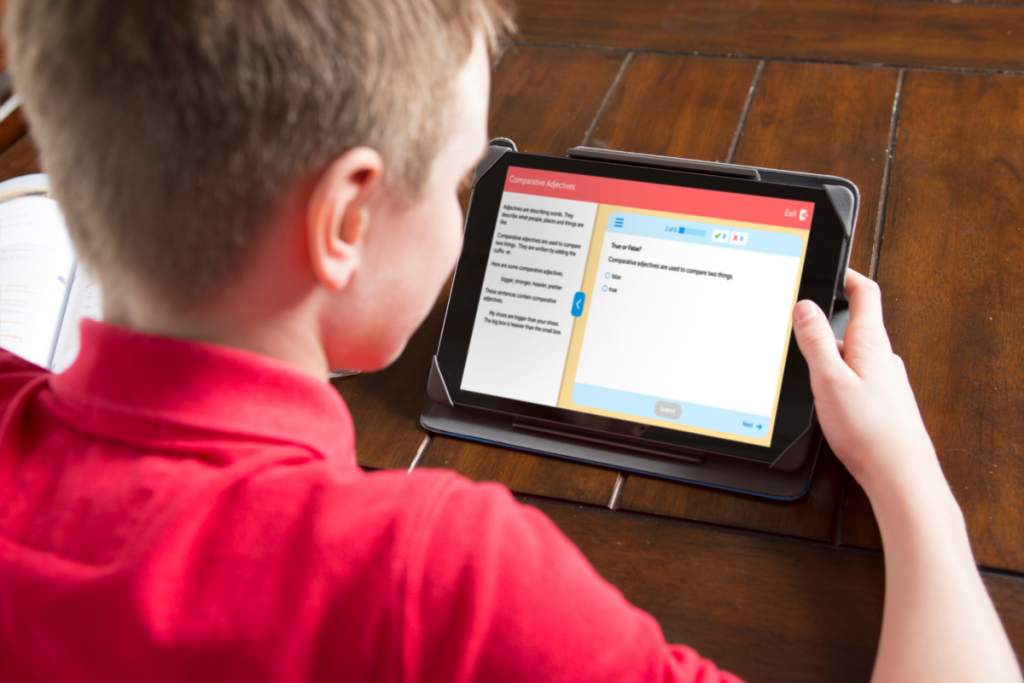
- Feedback: Immediate responses that help learners track their understanding. In gamified learning environments, quiz applications provide instant scores, helping learners identify areas that need improvement right away.
- Competition: Friendly contests that spur motivation among learners. Social learning platforms like Kahoot! allow users to compete in real-time quizzes, creating a lively environment where peer competition drives engagement.
Across the United States, educational institutions and independent learners alike are embracing these strategies to create effective learning environments. A study by the University of Colorado found that students who engaged with gamified content demonstrated a 34% increase in engagement compared to traditional learning methods. It’s clear that when learners actively participate through gamified elements, they are more likely to stick with their studies and achieve their goals.
In this article, we will delve deeper into techniques for incorporating gamification into self-directed learning. From practical tips to real-world examples, you’ll discover how to make your learning experience not just effective but also engaging as well. For example, incorporating a personal learning dashboard can allow learners to visualize their progress, track their milestones, and stay motivated as they work toward their goals. Moreover, consider creating a peer group where participants can challenge each other with tasks while sharing insights to enhance understanding.
As the educational landscape continues to evolve, embracing gamification presents a powerful strategy for fostering self-directed learning. With techniques that promote interactivity and personal investment, learners can find joy in mastering new information while developing skills that extend beyond traditional academic settings. Ultimately, integrating gamification in learning journeys not only enriches the educational experience but also prepares individuals for the dynamic challenges of the modern world.
DISCOVER MORE: Click here to learn how to optimize your study breaks
Innovative Techniques to Implement Gamification
The modern educational landscape is evolving rapidly, and the integration of gamification in self-directed learning has proven to be a transformative approach. The infusion of game elements into educational contexts engages learners and motivates them to pursue knowledge in a more enjoyable way. By capitalizing on the principles of gamification, one can tailor educational experiences to cater to different learning styles and preferences, ultimately fostering a deeper connection to the material. Let’s delve deeper into some innovative techniques that can be seamlessly incorporated into self-study routines.
- Personalized Learning Paths: Customization is key in education today. By defining specific learning objectives and utilizing gamified modules, learners can create tailored paths that adjust based on their progress. For instance, platforms like Khan Academy leverage Personalized Learning Engines that allow users to work through subjects at their own pace, ensuring a comprehensive understanding before progressing to more complex topics. This adaptability in learning can enhance retention and confidence, allowing learners to feel more invested in their education.
- Progress Tracking: The human brain thrives on visual cues and affirmations. Implementing visually striking dashboards to track progress can be incredibly motivating. For example, the application Habitica transforms mundane tasks into a role-playing game format, where users earn rewards for completing learning tasks and improving knowledge. This method not only helps in tracking achievements but creates a sense of adventure and purpose in everyday learning activities.
- Micro-Learning: The concept of micro-learning—breaking down extensive materials into bite-sized, manageable pieces—aligns perfectly with gamification strategies. Educational platforms such as Quizlet harness this technique through short quizzes and flashcards that effectively reinforce knowledge. The quick engagement offered by these formats can boost retention rates as learners can quickly test their understanding without the intimidation of extensive study materials.
- Social Collaboration: Learning becomes even more enriching when it is a communal activity. Encouraging collaboration through study groups can enhance motivation significantly. Utilizing modern communication platforms like Discord or Slack can create an interactive space for discussions, while incorporating competitive elements, such as leaderboards, adds a dynamic twist. This blend of competition and teamwork fosters camaraderie while pushing individuals to strive for success as a collective.
Implementing these innovative techniques can lead to an educational experience that is not only productive but also immensely gratifying. A striking statistic from the educational technology sector indicates that students using gamified learning tools reported a remarkable 41% higher engagement rate compared to traditional study methods. This shift illustrates the evolving nature of education; it signals a movement towards a model where the joy of learning is just as important as the knowledge gained.
As self-directed learners continue to explore new modalities of education, recognizing the intrinsic value of play becomes crucial. By adapting these gamification techniques, individuals can reinvent their study habits, making the pursuit of knowledge a multifaceted journey filled with challenges and rewards. In the subsequent sections, we will further examine how to cultivate a vibrant and personalized learning atmosphere that not only meets but exceeds individual educational goals.
| Advantages of Gamification | Description |
|---|---|
| Enhanced Engagement | Gamification in self-directed learning captures learners’ interest through interactive elements, making the learning process more immersive. By integrating game mechanics such as rewards and challenges, learners are likely to remain motivated and committed. |
| Improved Retention | Gamified approaches encourage repetition and practice, which enhances memory retention. Studies show that learners who engage with games are more likely to recall information and apply knowledge effectively, leading to sustained skills development. |
| Immediate Feedback | Incorporating feedback systems within gamified learning—such as instant scores or progress indicators—allows learners to adjust their strategies promptly. This aspect of gamification ensures that users can identify areas for improvement in real-time. |
| Personalization | Gamified learning environments can be tailored to fit individual preferences, learning styles, and pace, providing a customized educational experience. This flexibility promotes a higher sense of ownership in the learning journey. |
Gamification not only makes self-directed learning more enjoyable but also fosters a culture of continuous improvement and self-assessment among learners. The combination of a rewarding system, consistent feedback, and personalization ensures that education is not just a task but an engaging adventure. As learners explore these techniques, they unlock their potential and develop critical skills essential for both personal and professional growth. Educators and self-directed learners alike would benefit from exploring gamification strategies to transform traditional learning methods into dynamic experiences that prioritize engagement and effectiveness.
DISCOVER MORE: Click here to enhance your learning experience
Enhancing Engagement Through Game Mechanics
Another integral aspect of gamification in self-directed learning is the clever use of game mechanics to elevate engagement levels. Understanding and implementing these mechanics not only captivates learners but also drives them to conquer more complex concepts. Below, we explore effective ways to incorporate game mechanics into self-directed learning experiences.
- Point Systems: At the core of many games is the point system, an effective method for recognizing achievements. Incorporating points into educational practices can transform uninteresting tasks into challenges with rewards. For instance, platforms like Duolingo employ a point system where users earn points for completing lessons or maintaining a daily streak. This strategy not only provides immediate feedback but also promotes consistency in study habits, pushing learners to engage more thoroughly in the learning process.
- Badges and Achievements: A sense of accomplishment can be highly motivating. The use of badges or digital trophies to signify mastery can be instrumental in driving progress. Similar to gamified platform Codecademy, users earn badges after completing coding challenges, encouraging them to pursue additional skills with enthusiasm. This visual recognition of success reinforces positive behaviors and motivates learners to aim for higher achievements.
- Challenges and Quests: Creating a series of engaging challenges or quests that learners can complete fosters a sense of purpose and adventure in the learning process. For example, incorporating thematic quests—like mastering a new language through cultural exploration—can transform conventional study objectives into thrilling journeys. Platforms like Coursera implement thematic learning paths that encourage users to progress systematically through courses, often including collaboration with peers to solve problems and achieve common goals.
- Time-Based Challenges: Introducing time constraints can instill a sense of urgency, transforming the learning process into a game-like experience. This is particularly effective in applications like Kahoot!, where learners compete against the clock to answer questions, pushing them to learn faster and more efficiently. The excitement of racing against the timer can enhance retention rates and improve overall engagement.
- Storytelling and Narrative Elements: Tapping into the innate human love for stories can significantly boost engagement. By incorporating a narrative framework within the learning experience, educators can create immersive learning environments. For instance, platforms like Classcraft turn classroom management into an interactive role-playing game whereby students embody characters and embark on quests to learn together. Integrating narrative elements not only entertains but can also help learners connect emotionally with the material, enriching the overall educational experience.
Research indicates that gamified elements promote a 35% improvement in retention rates, underscoring their effectiveness in self-directed learning practices. As learners navigate their unique educational journeys, implementing these game mechanics creates exciting and rewarding interactions with educational content. With each point scored, achievement unlocked, and challenge conquered, the drive for knowledge transforms into a captivating adventure.
Through the strategic application of these engaging game mechanics, individuals can elevate their self-directed learning experiences, paving the way for a future filled with empowered, motivated, and successful learners. In the continuation of this discussion, we will explore how technology facilitates the gamification process, further enriching the self-directed learning landscape.
LEARN MORE: Click here to discover how data analytics can enhance your feedback strategy
Conclusion: The Future of Learning through Gamification
In conclusion, the integration of gamification into self-directed learning truly revolutionizes the educational landscape, making it more engaging and effective. By strategically employing techniques such as point systems, badges, challenges, and narrative elements, educators and learners alike can turn routine study tasks into inspiring quests for knowledge. This transformation not only enhances motivation but also fosters a more profound connection between learners and the content they explore.
As highlighted throughout this discussion, the measurable benefits—including a 35% improvement in retention rates—underscore the significance of incorporating game mechanics into learning experiences. By tapping into the competitive and rewarding aspects of gaming, individuals can cultivate a sense of achievement and progression that traditional educational methods often lack. Furthermore, as technology continues to progress, we anticipate an even broader range of tools and platforms that will seamlessly blend gamification with personalized learning experiences.
As we look toward the future, it is essential for educators, learners, and institutions to embrace these innovative techniques. By doing so, they can facilitate a culture of lifelong learning, where curiosity, exploration, and creativity flourish. The path ahead holds exciting possibilities for transforming the way we engage with learning material, making it not just a duty but an adventure. Embracing gamification in self-directed learning paves the way for a new generation of empowered and inspired learners ready to tackle the complexities of the modern world.