
Incorporating Clicker Training into Your Pet’s Routine: Techniques and Benefits
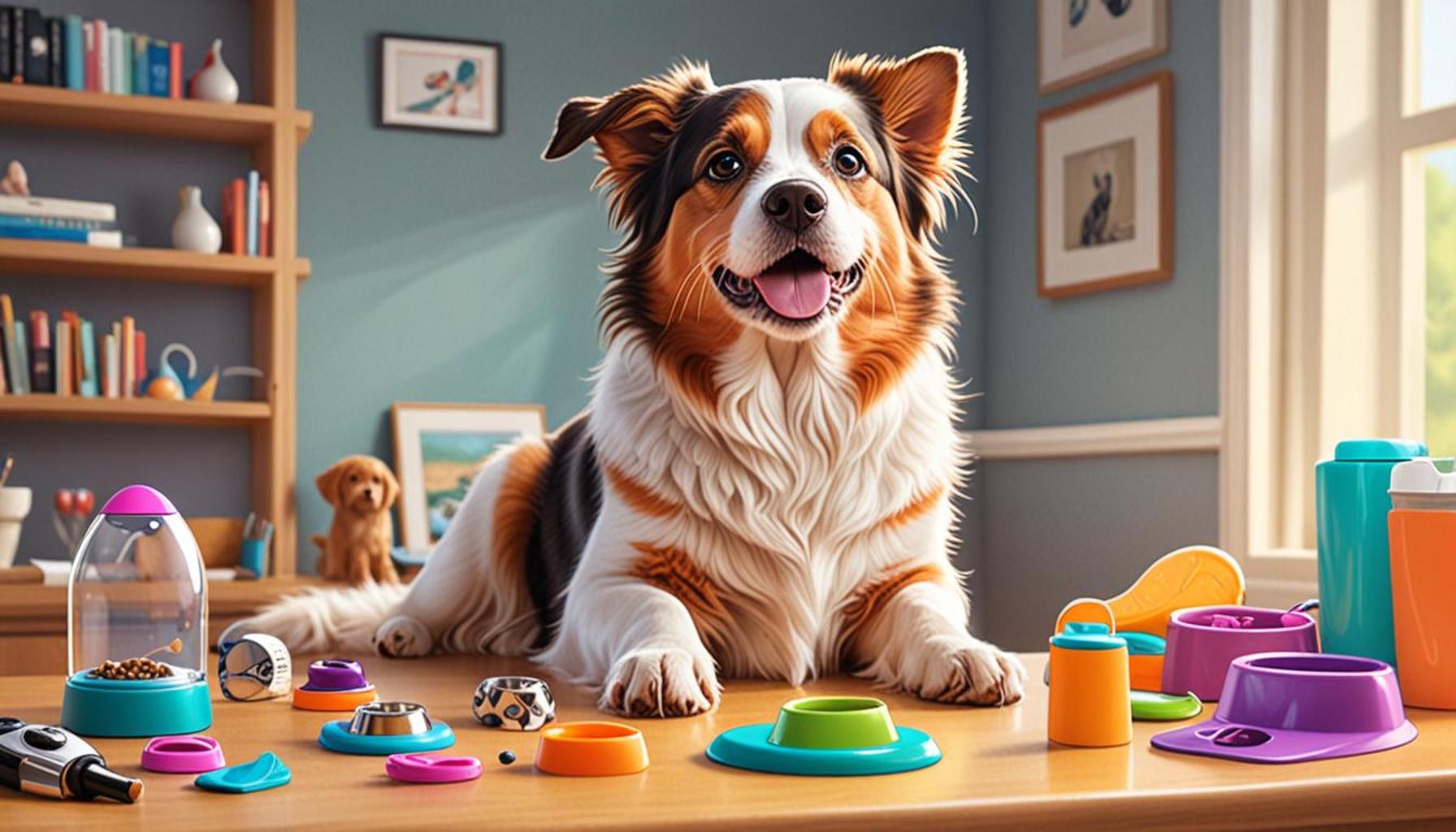
Unlocking the Power of Clicker Training
In the realm of positive reinforcement, clicker training has emerged as a dynamic approach for pet owners seeking to enhance their furry friends’ skills. This technique leverages a simple device—the clicker—to communicate desired behaviors effectively. By associating the sound of the clicker with a reward, pets can quickly learn what is expected of them. As a result, it builds a bond of understanding between you and your pet, transforming training into a collaborative effort.
So, why should you consider adding clicker training to your routine? Here are a few compelling benefits:
- Effective Communication: Clicker training provides clear feedback, helping pets learn faster. When you click the device at the moment your pet demonstrates the desired behavior, they recognize the exact action you’re rewarding. This immediacy helps reduce confusion and speeds up the learning process.
- Positive Reinforcement: This method encourages good behavior while minimizing stress. Rather than relying on punitive measures, clicker training focuses on reinforcing the good, leading to a more confident and well-adjusted pet. For example, if a dog sits on command and receives a click and treat, it is encouraged to repeat the behavior in the future.
- Engaging Learning Experience: It turns training into a fun game, making it enjoyable for both pets and owners. The sound of the clicker can evoke excitement in pets, and they often look forward to training sessions, making it easier to develop a routine.
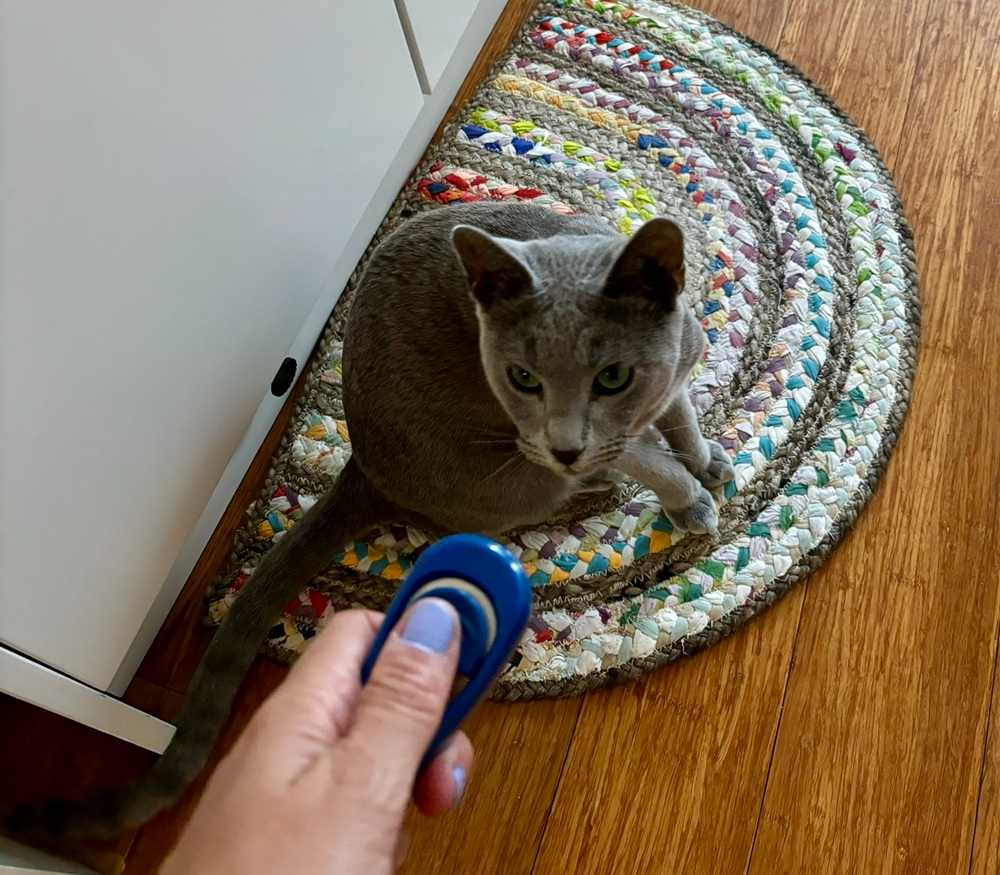
Clicker training isn’t just for dogs; it can also be adapted for cats, birds, and even small animals. The principles remain the same across species, illustrating the versatility of this training method. For instance, a cat can learn to perform tricks like jumping through hoops or fetching toys, while birds can be taught to mimic sounds or words through clicker sessions. Various techniques can be applied, such as luring pets into position or shaping behaviors gradually, making it adaptable to different animal temperaments and learning styles.
Join the Clicker Training Revolution
Explore the techniques that can transform your pet’s behavior while strengthening your bond. Whether you’re looking to solve specific problems, like excessive barking or scratching, or teach new tricks like high-fives or rolling over, clicker training offers a pathway to success. The process involves patience and consistency but can yield incredible results.
Stay tuned as we uncover the secrets of this enjoyable training method. As a pet owner in the United States, you may find numerous resources—such as local training classes or online communities—offering support and sharing success stories. The growing popularity of clicker training is not only an indicator of its effectiveness but also a testament to the enriching experiences it can create for both you and your beloved pet.
DON’T MISS: Click here to learn about the vital role of balanced nutrition in your pets’ health</a
Techniques to Master Clicker Training
Before you embark on your clicker training journey, it’s essential to understand the various techniques that can help you effectively incorporate this method into your pet’s routine. Getting started may seem straightforward, but mastering the art of clicker training requires practice and a keen understanding of your pet’s behavior and learning style.
At its core, clicker training is about timing and consistency. Clickers work on the principle of operant conditioning, where behaviors are shaped through reinforcement. Here’s how to effectively integrate clicker training in your pet’s daily life:
- Start with Basics: Begin by teaching your pet simple commands such as “sit,” “stay,” or “come.” Use the clicker to mark the moment your pet successfully executes the behavior, followed immediately by a reward. This will help them connect the click sound with the action they performed.
- Shaping Behavior: If you’re looking to teach more complex behaviors, consider breaking them into smaller steps. For example, to teach a dog to roll over, first reward them for lying down, then for rolling onto their side, and finally for completing the full roll. This method of “shaping” allows you to build upon each success, leading to the desired outcome.
- Use Lures and Gestures: At times, pets may need a bit of help to understand what you’re asking of them. Using hand signals or treats as lures can guide them into the correct position. Once your pet learns to associate the gesture with the behavior, you can gradually fade out the lures and rely solely on your commands and the clicker.
- Maintain Short Sessions: Pets, like humans, can lose focus. Aim for training sessions that last between five to ten minutes, with frequent breaks. This keeps your pet engaged and prevents frustration. End sessions on a positive note by rewarding them for their efforts, ensuring they associate training time with joy.
It’s crucial to remember that patience is key. Every pet learns at their own pace, and some may grasp concepts more quickly than others. Observing your pet’s reactions will provide valuable insights into their understanding and comfort levels with the training.
Understanding the Rewards
While the clicker provides a consistent sound and signal, the rewards you offer play a significant role in successful training. Discovering what motivates your pet can enhance their learning experience substantially. Common reward methods include:
- Treats: Small, tasty treats can be effective motivators. Choose options that your pet loves, but keep them small to avoid overfeeding during training.
- Verbal Praise: A warm, enthusiastic “good job” can be just as rewarding as a treat, especially when paired with a click.
- Playtime: Incorporate play as a reward for completing tasks. This can be particularly effective for high-energy pets who thrive on physical interaction.
As you implement these techniques into your pet’s routine, you may begin to see remarkable changes in behavior and responsiveness. As the journey unfolds, remember that the goal is to build a strong bond of trust and communication with your beloved companion through positive reinforcement.
| Training Techniques | Key Benefits |
|---|---|
| Targeting | Enhances communication between pet and owner, leading to better understanding. |
| Luring | Increases motivation in pets to complete tasks, enhancing learning efficiency. |
| Shaping | Allows gradual skill acquisition, reducing frustration for both pet and owner. |
| Capturing | Encourages desirable behaviors by reinforcing actions when they naturally occur. |
Incorporating these techniques into a pet’s training routine can yield remarkable results, creating a bond of trust and respect between the owner and their pet. Each method provides a unique approach to teaching while emphasizing positive reinforcement, catering to various learning styles. As pet owners explore these strategies, they not only improve their pet’s skills but also foster an environment of love and cooperation. Additionally, understanding the nuances of each technique can elevate the training experience, making it enjoyable for both parties. When done effectively, clicker training becomes more than just a method; it transforms into a fulfilling journey that enhances the pet’s well-being and enriches the owner-pet relationship. Discover the myriad ways to enhance your pet’s life through this beneficial training approach.
DIVE DEEPER: Click here to learn more about balanced nutrition for your dog’s health
Benefits of Clicker Training for Pets
Incorporating clicker training into your pet’s routine is not just about teaching commands; it offers a multitude of benefits that enhance the physical and emotional well-being of your companion while reinforcing positive behaviors. Understanding these advantages can motivate you to implement this method consistently and creatively in daily interactions.
One of the primary benefits of clicker training is that it establishes clear communication between you and your pet. The distinct sound of the clicker serves as a marker, allowing your pet to understand precisely which behavior is being rewarded. This clarity can reduce confusion during training, fostering a more confident pet. For example, a pet that previously struggled with a “sit” command may quickly learn and execute it reliably upon hearing the click, making training sessions more effective.
Additionally, clicker training enhances the bond between you and your pet. Each click and reward reinforces positive experiences during training, which ultimately leads to more trust and affection. Engaging in this interactive process creates opportunities for fun, strengthening the emotional connection you share. This relationship-building aspect can be particularly beneficial for rescue pets, who may come with a history of trauma or mistrust.
Enhancing Cognitive Stimulation
Another compelling reason to incorporate clicker training is the cognitive stimulation it provides. Just like humans, pets require mental exercise to remain healthy and happy. Training sessions encourage your pet to think critically and problem-solve, keeping their minds sharp. Whether it’s learning new tricks or exploring complex commands, these mental challenges can stave off boredom and reduce behavioral issues linked to anxiety and pent-up energy.
Research indicates that pets who engage in regular training, such as clicker methods, tend to exhibit fewer destructive behaviors. For instance, a dog that learns to perform various tricks may be less likely to chew on furniture or bark incessantly, as they are provided with constructive outlets for their energy and focus. This aspect is particularly invaluable for busy pet owners in the United States, where many pets are left alone for extended periods.
Encouraging Good Behavior
Extending beyond basic commands, clicker training can be a powerful tool for shaping overall behavior. This method can effectively address common behavioral issues, from leash pulling to jumping on guests. Instead of resorting to punishment, clicker training provides a means of redirecting unwanted behaviors by rewarding your pet for desirable actions. For example, if your dog jumps up when you arrive home, you can click and reward them for sitting calmly instead, reinforcing the behavior you’d prefer.
The versatility of clicker training allows you to tailor it to your pet’s unique needs and personality. Some pets respond better to high-energy games associated with the clicker, like fetch or tug-of-war, while others might enjoy a quieter focus on tricks or obedience. The adaptability of this training system means it can be molded to fit various scenarios and lifestyles, whether you’re an apartment dweller in New York City or a suburban pet owner in California.
As you explore the techniques and benefits of clicker training, consider keeping a training journal or tracking your pet’s progress. Recording your victories, challenges, and any notable changes in behavior can provide insights into what works best for your pet. Ultimately, the journey of clicker training is not just about communicating with your pet; it’s also about enjoying a fulfilling relationship filled with learning and companionship.
DISCOVER MORE: Click here to learn about the health benefits of pets
Conclusion: Embrace the Clicker Training Journey
Incorporating clicker training into your pet’s routine is a transformative approach that extends far beyond basic obedience. The techniques and benefits highlighted throughout this article illuminate how this rewarding method not only enhances communication between you and your pet but also fosters a nurturing bond enriched with trust and affection. As pets engage in stimulating mental exercises, they benefit from improved focus and reduced undesirable behaviors that often stem from boredom or anxiety.
Moreover, by utilizing clicker training, pet owners can effectively address and modify common behavioral issues in a positive, encouraging manner that replaces punitive approaches. This adaptability ensures that the training is tailored to your pet’s individual preferences and unique characteristics, making it an enjoyable experience for both parties. Whether you are a seasoned trainer or a newcomer, tracking progress and celebrating milestones through this method can lead to remarkable growth in your pet’s demeanor and skills.
As you embark on this rewarding journey of clicker training, consider making it an integral part of your daily routine. Cultivating consistency while exploring new commands enriches your pet’s life and strengthens your relationship. The engagement and joy found in each training session can transform the mundane into moments of shared bliss and accomplishment. There’s no better time than now to discover the power of this training technique and unlock the potential for a well-behaved, happy, and mentally stimulated companion.