Understanding the Importance of Mental Stimulation in Training: Techniques to Challenge Your Pet
The Importance of Engaging Your Pet’s Mind
Pets, much like humans, require mental stimulation to thrive. While physical exercise is crucial, engaging your pet’s mind is equally important for their overall well-being. A mentally stimulated pet is often happier, more balanced, and less prone to behavioral issues such as anxiety, aggression, or destructive tendencies. Understanding the significance of mental challenges can transform your approach to pet care and training.
Mental stimulation can take many forms, from interactive toys and puzzles to training exercises that challenge your pet’s intelligence. For example, using a treat-dispensing toy can make mealtime a brain-teasing experience, as pets must problem-solve to access their food. Similarly, agility training not only promotes physical fitness but also sharpens their mental acuity, as they learn to navigate various obstacles and follow commands.
Here are some key benefits of incorporating mental challenges into your pet’s routine:
- Reduces Boredom: Many pets exhibit destructive behaviors when bored, such as chewing furniture or digging. Engaging your pet in mentally stimulating activities keeps them engaged, minimizing these issues. For instance, dogs that participate in scent work come alive with purpose, utilizing their natural instincts to track down hidden treats.
- Enhances Learning: Complex tasks enhance your pet’s cognitive development. Engaging in new tricks or activities can stimulate brain activity, improving their problem-solving skills. For example, teaching a cat to fetch or a dog to distinguish between different toys can be both fun and rewarding.
- Strengthens Bonding: Training and playing together deepens the connection between you and your pet. Spending time working on new skills can foster trust and understanding, resulting in a more harmonious relationship.
Many pet owners underestimate the power of stimulation and the role it plays in training. Offering a variety of challenges not only enriches your pet’s life but also sets a framework for a well-trained companion. Implementing a consistent routine that balances mental and physical activities is essential.
Some practical techniques to keep your furry friend’s mind sharp include incorporating puzzle feeders, engaging in regular training sessions, and providing toys that require manipulation or interaction. For instance, consider rotating their toys to keep things fresh and exciting. Every so often, swap out their regular toys with new ones or reintroduce old ones that have been stored away.
By taking the time to understand and implement effective mental stimulation strategies, you set the stage for a happier and healthier life for your pet. As you explore various activities and training techniques, you’ll discover not only the benefits for your pet but also the joy it brings to your partnership, creating a more fulfilled companionship.
DIVE DEEPER: Click here to learn more about balanced nutrition for your dog
Techniques to Enhance Your Pet’s Mental Engagement
To effectively incorporate mental stimulation into your pet’s training regime, it’s essential to embrace a variety of techniques tailored to their individual needs and preferences. Different pets respond uniquely to various forms of challenges, making it necessary to experiment with multiple activities. Here are some engaging methods proven to captivate your pet’s attention and promote cognitive growth.
Interactive Puzzle Toys
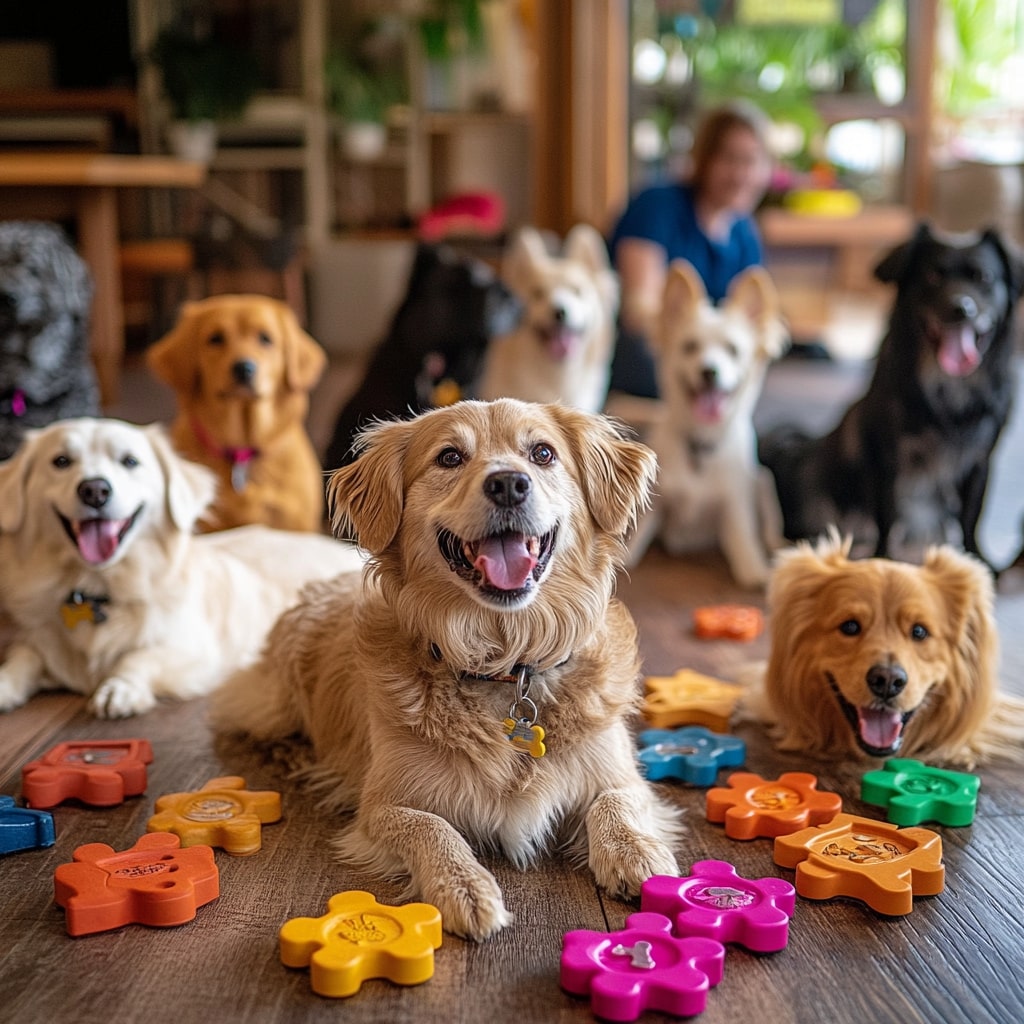
Interactive puzzle toys are a fantastic way to combine play with problem-solving. These toys are designed to dispense treats when your pet successfully completes a task, such as sliding pieces or unscrewing compartments. Not only do they keep pets occupied, but they also engage their instinctive curiosity and intelligence. Look for toys that offer varying difficulty levels, allowing you to gradually increase the challenge as your pet masters each one.
Training and Trick Learning
Regular training sessions can be significantly enhanced by introducing new tricks and commands. Techniques such as clicker training not only reinforce desired behaviors but also provide mental stimulation. Start with simple commands like ‘sit’ or ‘stay’ and progressively add more complex tricks such as rolling over or playing dead. This not only elevates your pet’s skill set but also strengthens their ability to process information and respond to cues. Training sessions should be short, enjoyable, and consistent, ensuring your pet remains engaged without feeling overwhelmed.
Scent Work and Nose Games
Many breeds, especially working dogs, have a natural talent for using their noses. Engaging your pet in scent work activities can be both fulfilling and mentally stimulating. Hide treats around your home or yard, encouraging your dog or cat to sniff them out. You can also invest in scent training kits designed for various skill levels. This method taps into your pet’s instincts and provides a satisfying challenge while reinforcing their problem-solving abilities.
Social Interaction and Playdates
Social interaction is not only important for physical health but also for mental stimulation. Regular playdates with other pets can challenge your companion’s social skills, as they navigate different play styles and personalities. Consider joining a local dog park or arranging meet-ups with friends who have pets. The interactions allow pets to engage with their environment and adapt to new situations, fostering a sense of confidence and resilience.
Obstacle Courses and Agility Training
Creating an obstacle course in your backyard or at a local park can provide both physical and mental workout opportunities. Use cones, tunnels, and jumps to encourage your pet to navigate the course while following your commands. Agility training not only helps in developing coordination and strength but also requires your pet to think critically and respond quickly to cues. This form of engagement is particularly stimulating for active breeds who thrive on challenges.
By integrating these techniques into your pet’s daily routine, you elevate training from a simple task to an enriching experience. Embracing creative approaches to mental stimulation empowers pets to explore their capabilities, laying the foundation for a well-rounded and contented companion.
Techniques to Enhance Mental Stimulation in Training
Understanding the importance of mental stimulation in your pet’s training opens up a realm of engaging techniques that can significantly improve their cognitive function and overall well-being. One method that has gained popularity is the use of *interactive toys*. These engaging devices require pets to solve puzzles to receive rewards, such as treats. They cater to both dogs and cats, offering varying levels of challenge which can keep them occupied for hours. Another effective technique is incorporating *positive reinforcement training*. This involves rewarding desirable behavior, thereby encouraging your pet to continue these actions. Using treats, verbal praise, or play as rewards can forge a strong bond while ensuring that your pet remains mentally engaged. Additionally, introducing new tricks and commands can be highly beneficial. Training your pet to perform novel tasks or tricks not only gives them a sense of accomplishment but also promotes neuroplasticity—the brain’s ability to form new neural connections. This can lead to a happier and more fulfilled animal, reducing anxiety and destructive behaviors often associated with boredom.You can also take advantage of everyday routines. Activities like hide-and-seek, where you hide and call your pet to find you, or scavenger hunts for treats can stimulate their senses and keep their minds alert. Incorporating regular socialization with other pets or people can also serve as an essential component of mental stimulation. Meeting new friends allows pets to engage in play and learn social cues, which is crucial for their development.Lastly, consider varying your walking routine. Different environments can expose your pet to new scents, sounds, and sights, keeping their senses stimulated and making every outing an adventure. All these techniques not only prevent boredom but also promote a deeper understanding and bond between you and your pet, leading to a happier and healthier life for your furry companions. This careful combination of training methods nurtures your pet’s mental health, ensuring that they not only remain active but also derive joy and engagement from their learning experiences.
LEARN MORE ABOUT: Click here to discover the importance of balanced nutrition for your pets
Utilizing Everyday Activities for Mental Stimulation
Incorporating mental challenges into mundane daily tasks can not only enrich your pet’s environment but also ensure they are engaged without requiring extensive time or resources. Everyday activities can serve dual purposes, allowing pets to learn while participating in their usual routines. Here are some practical strategies you can adopt.
Feeding Enrichment
Routine feeding can transform into an engaging event by introducing feeding enrichment techniques. Instead of offering food in a standard bowl, consider using interactive feeders or treat-dispensing toys. These options challenge pets to work for their meals, stimulating their minds and making mealtime more exciting. Additionally, you can spread the food out in various locations in your home or yard, prompting your pet to explore and forage, mimicking their natural hunting behaviors. This approach not only slows down fast eaters but keeps them intellectually engaged.
Training with Real-Life Commands
Instead of limiting training to designated sessions, integrate real-life commands into your daily life. Teach your pet cues that relate to activities you perform regularly, such as “wait” at the door, “down” when they jump, or “leave it” when encountering distractions during a walk. This method reinforces understanding and compliance while providing mental challenges and context. Making training applicable to real-life scenarios helps your pet learn more effectively and reduces the likelihood of behavioral issues stemming from boredom.
Daily Walks with a Twist
Walks are a staple of pet ownership, but they can also be a platform for mental stimulation. Transform the standard daily walk into an exploratory adventure by varying the routes, introducing new environments, or allowing your pet to navigate the path. Incorporate several stops where they can engage their senses—sniffing plants, encountering different textures like grass or gravel, or observing new sights and sounds. Consider practicing commands during walks, like “sit” or “stay” at traffic lights, which reinforces training while keeping the experience dynamic.
Engaging with Interactive Apps
With the rise of technology, it’s no surprise that there are several interactive apps designed for pet training and stimulation. These applications offer games specifically tailored for pets, especially dogs, challenging them to respond to visual or auditory cues on your device. Many of these apps use a reward system that can keep your pet entertained while sharpening their cognitive skills. Though not a substitute for physical activity, these digital tools can complement your pet’s mental stimulation routines, especially during inclement weather or when indoor options are preferable.
Creativity in Problem-Solving
Encouraging your pet to solve problems can involve basic household items. For instance, you can create DIY puzzles using muffin tins and tennis balls, where treats are placed underneath the balls, prompting your pet to find the hidden rewards. Additionally, construct obstacle courses using common furniture and household objects, allowing your pet to think creatively about how to maneuver through the challenges presented. Such creative problem-solving not only gives your pet a mental workout but also strengthens your bond through collaborative efforts.
By embedding these everyday activities into both training and playtime, you cater to your pet’s need for mental stimulation without requiring extensive resources. These strategies promote a well-rounded training experience essential for nurturing a happy, engaged, and healthy companion.
DIVE DEEPER: Click here to discover the benefits of animal-assisted therapy
Conclusion: The Essential Role of Mental Stimulation in Pet Training
In conclusion, understanding the importance of mental stimulation in training is vital for the overall well-being of our beloved pets. As we’ve explored, engaging your pet’s mind can significantly enhance their happiness, behavior, and fulfillment. Integrating creative and practical techniques into daily life transforms routine activities into opportunities for mental growth. From feeding enrichment to interactive apps, each method serves to challenge your pet while fostering compliance and understanding.
Additionally, by incorporating real-life commands and making daily walks more exploratory, pet owners can elevate the standard training experience. This dual approach not only curbs boredom but also nurtures a stronger bond between pet and owner, promoting a harmonious living environment. Remember, the journey of enriching your pet’s life through mental challenges is an ongoing one. The pursuit of knowledge and creativity in training is limitless and can lead to new discoveries about your pet’s capabilities and preferences.
As you engage in these activities, you’ll likely notice transformative changes in your companion’s behavior and attitude, ultimately resulting in a happier and healthier pet. Investing time in their mental stimulation is not just a method of training; it is a commitment to their holistic well-being. By embracing these techniques to challenge your pet, you will cultivate a more vibrant and joyful life together, ensuring that your furry friend stays mentally sharp and eager to learn.