
Incorporating Obedience Training into Daily Activities: Making Training Fun and Functional

The Benefits of Integrating Obedience Training into Everyday Life
Obedience training goes beyond a set of commands; it becomes a lifestyle that intertwines with your daily interactions with your pet. Instead of viewing training as a chore confined to scheduled sessions, consider it an opportunity to strengthen your connection and cultivate a harmonious home environment. By weaving training into the fabric of your daily routines, you can enhance your pet’s discipline while deepening your relationship.
Let’s delve into some practical scenarios where training becomes not just effective, but enjoyable.
Transforming Walks into Training Sessions
Walks are not merely exercise; they provide an excellent platform for training. As you stroll through your neighborhood, incorporate commands like “sit” and “stay” at strategic moments. For instance, before crossing a street, ask your pet to sit and wait for your command to proceed. This not only reinforces their understanding of commands but also enhances their safety. Seeing a dog behave well during walks can also make you a role model for other pet owners in the community, promoting responsible pet ownership.
Feeding Time as a Teaching Opportunity
The daily ritual of feeding your pet can double as a training session. Before you place their bowl down, instruct them to “wait” or “leave it”. This teaches patience and instills discipline, making meal times a structured yet rewarding experience. Such commands create anticipation and excitement, helping your pet learn that good behavior brings rewards. Think of it as an enriching prelude to their meal, creating a positive association with obedience.
Learning through Playdates
Playdates are an excellent opportunity to cultivate social skills while reinforcing commands. During playtime, incorporate commands like “take it” and “drop it.” Not only does this teach impulse control, but it also ensures that your pet learns to protect toys and share with others. Implementing pauses during play to practice these commands helps your pet understand that engaging with others is contingent upon following directions. Over time, these lessons yield significant improvements in behavior around other animals.
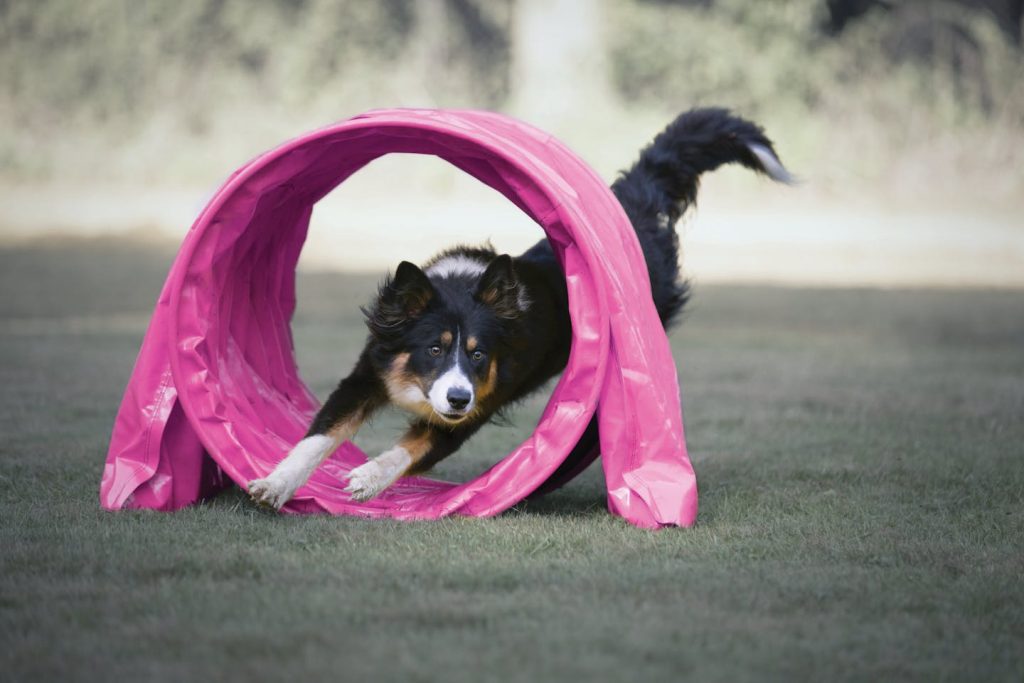
Benefits of Consistent Training
Integrating training into your daily life is not just fun—it can significantly enhance your pet’s well-being and behavior. Here are some of the key benefits:
- Reducing behavioral issues: Regular training establishes clear expectations, helping to reduce anxiety-driven behaviors such as excessive barking or jumping.
- Enhancing socialization: Training during outings helps your pet interact better with others, making them more comfortable in social situations.
- Improving mental stimulation: Engaging activities keep pets mentally sharp, reducing the risk of boredom-related mischief.
In conclusion, incorporating obedience training into everyday tasks provides invaluable benefits for both you and your pet. It fosters a respectful bond and encourages responsible behavior, making life with your furry friend a delightful experience. Ready to turn your daily routine into rewarding training moments? Engage with your pet creatively, and watch how this approach transforms your relationship for the better.
DISCOVER MORE: Click here to learn about exotic pet care
Making Everyday Moments Count
The essence of obedience training lies in its seamless integration into daily activities. By turning mundane moments into valuable training sessions, you can maximize the potential of your pet’s learning experiences. One of the key elements in this approach is the idea that training should be enjoyable for both you and your furry friend. When everyday interactions are infused with opportunities for learning, it transforms the mundane into the meaningful.
Incorporating Commands During Household Chores
Daily chores present countless opportunities for incorporating obedience training. Tasks such as doing laundry or washing dishes can be paired with training activities. For instance, while sorting laundry, you can teach your dog to “fetch” items like socks or towels. Not only does this engage your pet, but it also reinforces commands while making your household tasks more enjoyable. Alternatives such as having your pet “stay” in a given spot while you vacuum can teach patience and build discipline.
Utilizing Yard Work for Training
When it comes to working in the yard, you can effortlessly merge training with outdoor tasks. As you garden or mow the lawn, use commands such as “come” and “leave it”. For example, if your dog starts to wander towards a flower bed, a quick command to “leave it” will not only protect your plants but also reinforce good behavior. Furthermore, teaching your dog to “heel” while you walk around the garden engages them physically and mentally, ensuring they understand boundaries in a fun way.
Training During Relaxation Time
Even those quiet moments at home can serve as excellent opportunities for training. While watching TV or relaxing on the couch, include commands such as “down” and “come here.” For a more dynamic approach, engage your pet in short, interactive games that incorporate these commands. The goal is to make learning happen without the pressure of formal training sessions. These relaxed environments foster a sense of safety and reinforce the bond between you and your pet.
Every Moment is a Learning Opportunity
By recognizing that every moment holds potential, you transform ordinary experiences into extraordinary training sessions. Here are some of the benefits derived from merging obedience training with daily routines:
- Enhanced Bonding: Engaging in activities together facilitates understanding and mutual respect.
- Increased Focus: Everyday training requires your pet to pay close attention, sharpening their skills and responsiveness.
- Behavioral Consistency: Repeated practice in various contexts helps instill long-lasting, reliable behavior.
In summary, integrating obedience training into your daily activities weaves a rich tapestry of learning and interaction. By making training fun and functional, you contribute to your pet’s growth and well-being, resulting in a more fulfilling life together. Keep discovering new opportunities for training, and soon you’ll find that every day becomes an adventure filled with unexpected moments of learning.
When it comes to incorporating obedience training into daily activities, creativity and consistency are key. By embedding training into your dog’s daily routine, you not only reinforce learning but also fortify the bond between you and your pet. This approach allows the training to feel less like a chore and more like a fun interaction.Start by identifying everyday situations where commands can be naturally integrated. For example, during meal preparation, practice “sit” and “stay” commands as you prepare your dog’s food. Rewarding them for compliance reinforces these commands while also instilling patience. Likewise, on a walk, use “heel” or “leave it” when encountering distractions. This not only aids in controlling behavior, but also familiarizes your dog with real-world scenarios.Games such as “Hide and Seek” can also serve as an amusing way to practice commands like “come” and “stay.” Outlining specific areas of your house where your dog must remain until called, or hiding treats for them to find, transforms training into an engaging game. These playful methods stimulate your dog’s mind and keep them eager to learn.Socialization is another critical aspect of obedience training. Engaging with other dogs and people provides a rich learning environment. Encourage your dog to greet familiar and new dogs with the command “nice” to promote positive interactions. This not only helps in reinforcing their learning but also alleviates potential behavioral issues stemming from fear or aggression.Moreover, consistency is crucial. Regularly revisiting commands — no matter how basic — helps solidify those skills. Training does not have to be limited to specific sessions; any moment can be a teaching opportunity. Emphasizing training during fun activities helps to keep your dog engaged and fosters an everlasting appreciation for obedience. Thus, daily routines and playtime should naturally meld with training practices, making the entire experience enjoyable for both you and your pet.
DISCOVER MORE: Click here to learn about the health benefits of pets
Transforming Outings into Training Sessions
Beyond the confines of your home, everyday outings can be goldmines for obedience training opportunities. Whether you’re taking a stroll through your neighborhood, visiting the dog park, or heading to the vet, these excursions are not just walks—they are essential training grounds. By incorporating commands and subtle guidance into these outings, you provide your pet with real-world learning experiences that reinforce their skills while keeping things engaging and dynamic.
Leash Training on Walks
When you embark on a daily walk, it’s the perfect chance to focus on leash manners and obedience. While strolling, practice commands such as “heel” or “let’s go” to encourage your dog to stay close and attentive. If distractions arise—like another dog, a squirrel, or a passing car—utilize “leave it” or “focus” to redirect their attention back to you. Reinforcing these behaviors in real-time helps your pet learn to concentrate amid various stimuli they encounter.
Socialization and Training at the Dog Park
The dog park is not just a place for fun; it’s an excellent venue for teaching social skills and obedience. Encourage your dog to “wait” at the gate before entering, reinforcing impulse control. Once inside, experiment with commands like “come” and “sit” amid the excitement of playmates. A well-timed “leave it” can prevent undesirable interactions and promote appropriate behavior when meeting new dogs. The key is to engage with your pet, offering treats and praise as they navigate social scenarios successfully.
Using Errands as Training Tools
Shopping trips with your dog can become impactful training sessions as well. If your local store allows pets, teach your dog to “stay” at the cart while you shop. This practice not only builds patience but ingrains good manners in public spaces. When standing in line, asking your pet to “sit” or “down” can reinforce calm behavior. These skills are invaluable as they teach your dog how to act during outings, making them well-mannered companions in various environments.
Creating a Training Routine Around Meal Times
Meal times can be transformed into exciting training moments that blend obedience with daily life. Instead of simply filling the food bowl, implement commands such as “sit” and “wait” before allowing your pet to eat. This instills patience and self-control. You can further trickle learning into their feeding routine by incorporating “find it” games where you hide their kibble around the house. This encourages engagement while positively associating meal times with good behavior and exploration.
Engaging Your Pet in Family Activities
Involve your pet in family activities to foster obedience lessons through fun interactions. Whether it’s a game of fetch in the yard or a family picnic, sprinkle in commands like “drop it” or “bring it here.” This active participation allows your dog to learn within context, and it solidifies their understanding of commands in various real-life settings.
As you explore the ways to incorporate obedience training into your daily outings, you’ll discover the profound impact this method can have on your pet’s behavior and temperament. Instead of viewing training as a chore, start to see it as an enriching part of life that can be woven into the fabric of each day. The result will be a well-behaved, happy pet and a harmonious home.
DISCOVER MORE: Click here to learn effective socialization strategies
Conclusion
Incorporating obedience training into daily activities offers a transformative approach that not only enhances your pet’s behavior but also strengthens the bond between you and your furry companion. As we’ve explored, training need not be a rigid or isolated activity; it can seamlessly integrate with your everyday life, making it both practical and enjoyable. By viewing mundane outings—a casual walk, a trip to the dog park, or even meal times—as unique training opportunities, you create an enriching environment where your pet can thrive.
Utilizing these daily experiences serves multiple purposes: it hones your dog’s ability to focus amid distractions, encourages good behavior in social settings, and instills patience and discipline. The essence of training is not just in repetition but in engagement. This approach challenges your pet to respond to commands within the context of their surroundings, reinforcing their learning in real-time. Moreover, by emphasizing play and interaction, you foster a positive association with obedience, ensuring that your dog sees training as a fun and rewarding experience.
Ultimately, the goal is to cultivate a sense of harmony in your home and community. A well-trained pet becomes a more enjoyable companion, facilitating smooth interactions with others and enhancing the overall experience of dog ownership. So take the next step—turn your daily activities into delightful training adventures, and watch as your dog flourishes into a happy, obedient, and well-rounded member of your family.