The History of Cat Breeds: From Hunters to Companions
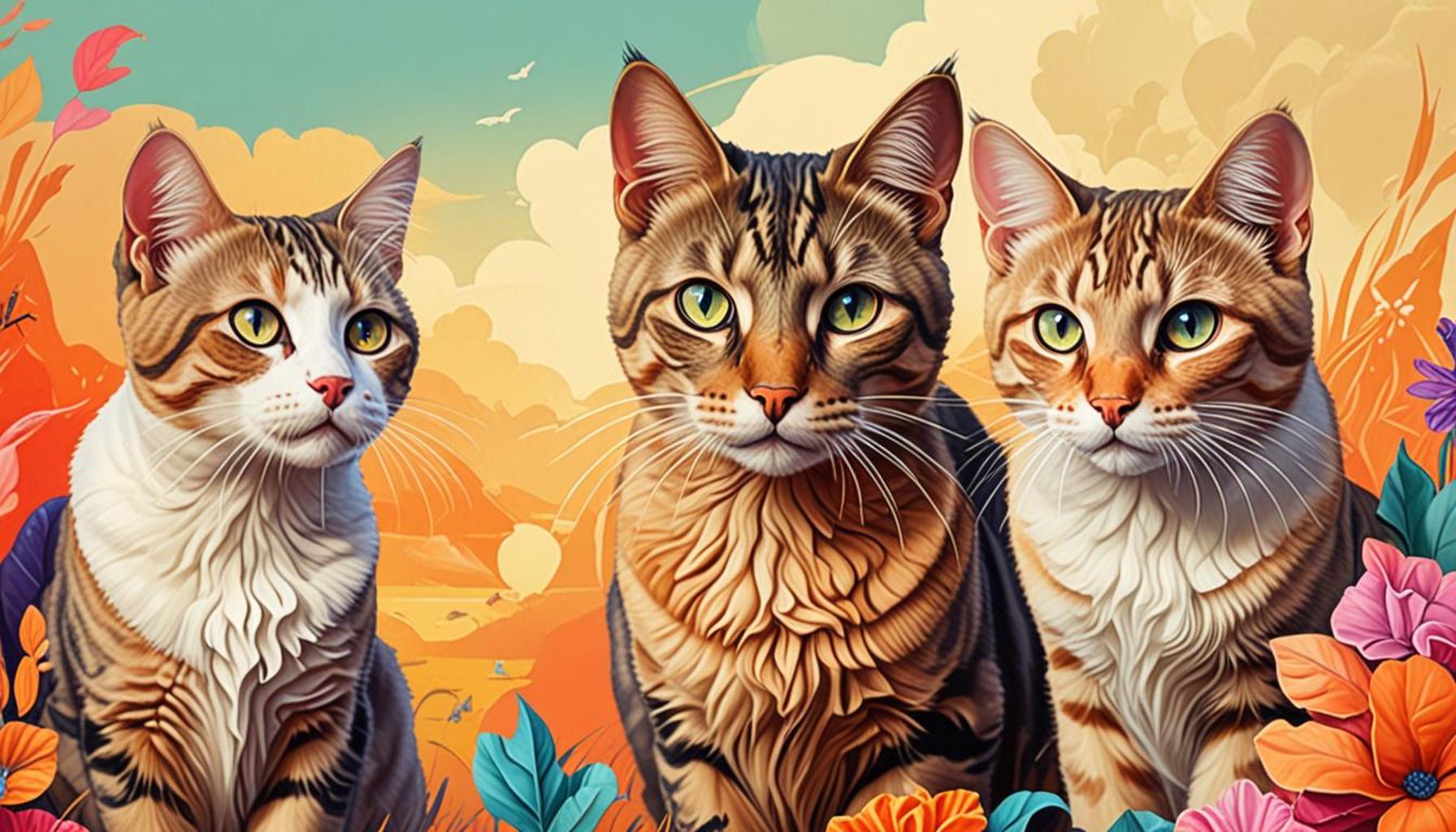
The Fascinating Journey of Cats Through Time
From being revered as gods in ancient civilizations to curling up on our laps today, cats have a rich history that spans thousands of years. Their story is one of evolution, survival, and an enduring connection with humanity. Understanding this evolution provides insight into why these enigmatic creatures have become one of the most popular pets worldwide.
Origins: The Dawn of Domestication
The journey of the domestic cat began approximately 9,000 years ago in the Near East, particularly in regions where agriculture flourished. As grains were harvested and stored, they attracted rodents, which in turn drew wild cats looking for an easy meal. Early humans recognized the benefits of these natural hunters, fostering a mutually beneficial relationship. Cats provided pest control, while humans offered food and shelter, leading to a symbiotic partnership that laid the groundwork for domestication.
Roles: Guardians of Grain
In ancient Egypt, cats were worshipped and revered as sacred beings. The goddess Bastet was often depicted with the head of a lioness or domestic cat, symbolizing home, fertility, and protection. Cats helped protect grain stores, securing the food supply for burgeoning civilizations. Without their relentless hunt of rodents, it is likely that early agricultural societies would have faced significant challenges in sustaining their populations.
Variety: The Emergence of Breeds
Over the centuries, as humans began to appreciate not only the practical benefits of cats but also their unique personalities, distinct breeds started to emerge. Selective breeding led to the variety we see today. Breeds like the Abyssinian, known for their playful and energetic demeanor, and the Persian, celebrated for their luxurious fur and calm temperament, showcase the diversity among felines. Each breed has unique traits that cater to different lifestyles and preferences, highlighting the adaptability of cats.
Modern Cats: Over 70 Recognized Breeds
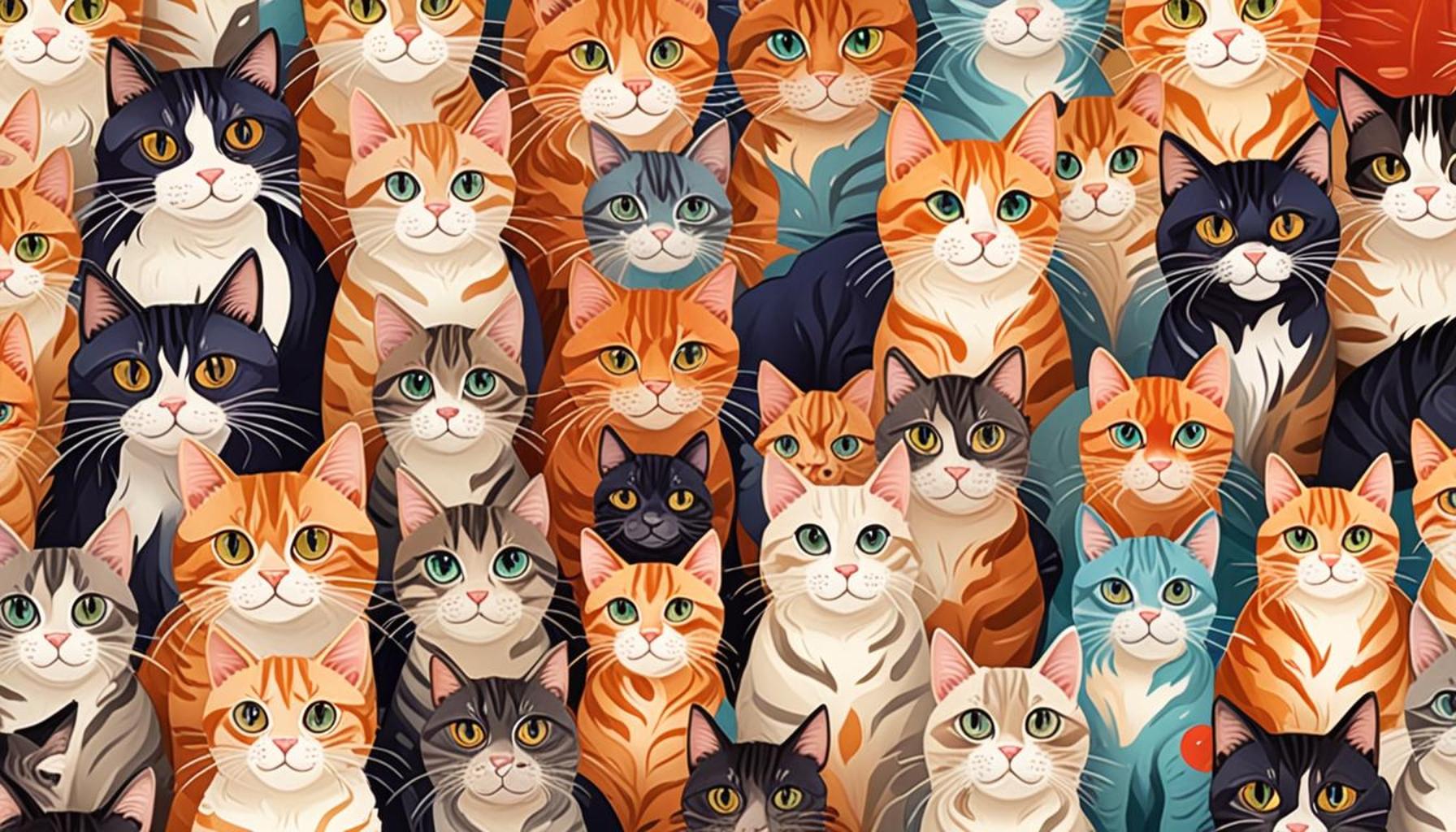
Today, there are over 70 recognized cat breeds, with each breed offering a different experience for owners. For instance, the Siamese breed is known for its vocal nature and intelligence, while the Maine Coon is admired for its size and friendly disposition. This diversity not only makes cats an appealing choice for companionship but also ensures that there is a cat breed suited for nearly every household and lifestyle. Their varied temperaments, grooming needs, and activity levels allow prospective cat owners to choose a feline friend that complements their lives, fostering deeper connections.
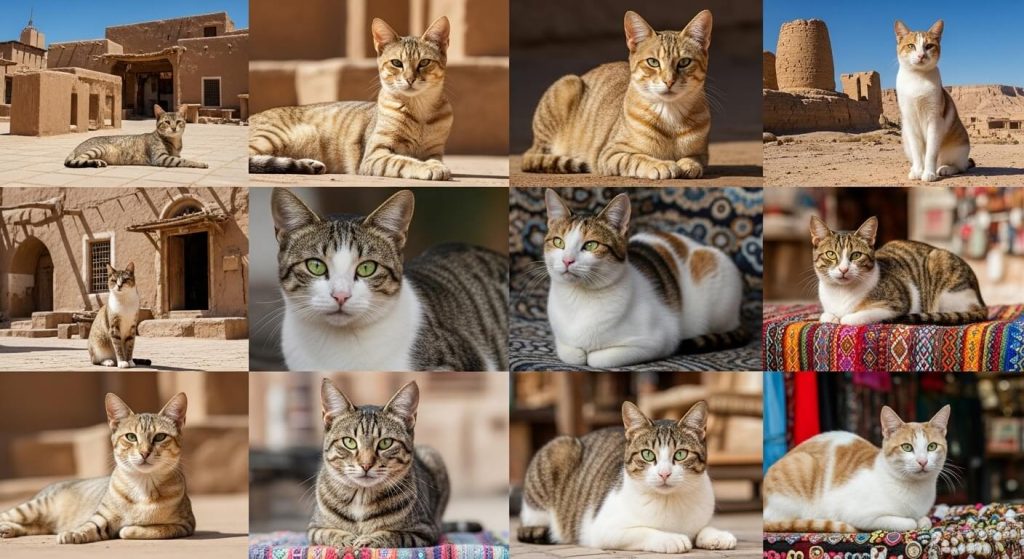
As we continue to explore the history of cat breeds, themes of adaptation and companionship emerge as central to understanding these fascinating animals. From humble beginnings as rodent hunters to becoming cherished family members, cats have woven themselves into the fabric of human life. Their evolution is a profound testament to their adaptability and the profound bond they share with us. Delve deeper into this remarkable narrative to uncover what truly makes your feline companion the playful and loving friend that they are today.
DIVE DEEPER: Click here to discover how your pet’s diet impacts your health
Transformation: From Wild to Domestic
The shift from wild hunters to beloved companions has been a complex and captivating journey for the feline family. As cats evolved alongside humans, their roles expanded significantly, showcasing their versatility and intelligence. One of the most intriguing aspects of this transformation is how cats adapted to different environments and societies, resulting in varied breeds tailored to human needs and lifestyles.
The Influence of Climate and Geography
The geographical spread of cats played a crucial role in shaping distinct breeds. For example, as cats traversed the globe, they adapted to the unique climates and circumstances they encountered. In the cold regions of northern Europe, the Maine Coon emerged, boasting a thick, water-repellent coat, large size, and a sociable nature. Conversely, the Siamese breed, originating in Southeast Asia, developed short fur suitable for warm climates, alongside a striking appearance that made them highly sought after.
Companionship: Cats in Shared Spaces
As societies evolved, so too did the expectations of pet ownership. Cats transitioned from solely being pest controllers to cherished members of the family. Here are some factors that influenced this change:
- The Victorian Era: The 19th century witnessed a surge in the popularity of cats as household pets, particularly in England and the United States. This period ushered in an appreciation for the particular qualities of different breeds.
- Show Breeding: Cat shows, such as the first organized cat show held in 1871 at the Crystal Palace in London, fueled interest in breeding for specific traits, leading to the formal recognition of various breeds.
- Media Influence: Literature and art also played a pivotal role. Cats became iconic figures in stories and paintings, further solidifying their status in human culture.
In contemporary society, the bond between cats and humans deepened as these animals became more integrated into daily life. The rise of social media provided a platform for the quirky antics of felines to be shared, leading to a newfound recognition of their personalities. Popular breeds like the Bengal and the Ragdoll not only found homes but also amassed dedicated followings due to their unique traits and charming behaviors, emphasizing the evolving role of cats as sources of joy and companionship.
With their long history of adaptation and close ties to human culture, cats have proven to be resilient and versatile companions. The landscape of cat breeds continues to evolve, reflecting changes in society and human preferences. By examining the fascinating shifts in their history, we can gain a deeper appreciation for the beautiful diversity of our feline friends and the special roles they play in our lives.
As we delve deeper into The History of Cat Breeds: From Hunters to Companions, it’s important to recognize the evolution of feline companions through centuries. Initially, cats were revered for their exceptional abilities as hunters, effectively controlling rodent populations and protecting food supplies. This practicality laid the foundation for their domestication approximately 9,000 years ago in the Near East, where their relationship with humans began to flourish.
The domestic cat’s journey is characterized not only by its transition from a solitary hunter to a beloved household pet but also by the diversification of breeds, each with unique attributes and temperaments. Over time, various regions contributed to breeding efforts, resulting in distinct varieties such as the sleek Siamese, the fluffy Persian, and the agile Abyssinian. This incredible variety showcases the adaptability of cats to different human environments and preferences.
Understanding cat breeds is essential for prospective cat owners, allowing them to choose a pet that aligns with their lifestyle. For instance, while the active Bengal requires ample playtime and stimulation, the calm Ragdoll thrives in a relaxed household. This diversity not only enriches our lives but also reflects the myriad roles cats have played throughout history, transitioning from revered hunters to cherished family members.
Further exploring the history of cat breeds reveals cultural significance as well. Ancient Egyptians, for example, regarded cats as sacred, intertwining them into their mythology and daily life. Stories of the goddess Bastet highlight the esteem given to these animals, influencing contemporary perceptions of cats. This cultural reverence has transcended time, continuing to shape our affinity for cats as more than mere pets — they embody companionship.
| Category | Advantages |
|---|---|
| Behavioral Traits | Your choice in cat breed can lead to varying personality traits and behavioral characteristics, making it crucial for compatibility with your lifestyle. |
| Physical Attributes | Different breeds possess unique physical features, from coat types to size, impacting care and grooming needs, adding both joy and challenge to ownership. |
This intersection of history and the present allows us to appreciate cats not only for their playful antics but as a testament to the enduring bond formed between humans and these fascinating creatures. As we continue to uncover the rich heritage of cat breeds, new insights will inevitably reveal how these animals have shaped and been shaped by human society, creating a captivating narrative that invites exploration.
DISCOVER MORE: Click here to learn about the vital role of balanced nutrition in your dog’s health
Cultural Significance and Symbolism
Throughout history, cats have not only served practical purposes but have also played significant roles in culture and symbolism across the globe. This multifaceted relationship with humans is reflected in how cat breeds developed distinct traits that resonated with different societies.
Spiritual Beliefs and Mythology
The reverence for cats can be traced back to ancient civilizations. In Ancient Egypt, for instance, cats were considered sacred animals, celebrated for their grace and hunting prowess. The Birmans, traditionally associated with the temples of Burmese Buddhist culture, were believed to embody the spirits of priests after they passed away. Such beliefs elevated the status of cats, ensuring their preservation and propagation. The Egyptians also revered the goddess Bastet, often depicted as a lioness or domestic cat, signifying home, fertility, and protection.
Breeds Born from Cultural Settings
The adaptations of various breeds often reflect the environments and purposes they were bred for. The Scottish Fold, characterized by its unique folded ears, emerged from a spontaneous mutation in Scotland, signaling the broader cultural contexts that fostered breed development. Similarly, the Turkish Van, known for its affinity for water, showcases how regional habits influenced breeding traits, as these cats were historically appreciated by communities living near lakes and rivers. Such environmental factors not only shaped the physical attributes of these breeds but also their temperaments and roles within families.
Modern Roles: Therapy and Support
In recent decades, the role of cats in human lives has expanded even further, extending beyond pets to become sources of emotional support and therapy. Organizations like Pet Partners emphasize the therapeutic benefits of feline companionship, as studies show that interacting with cats can lower stress levels and enhance mental wellbeing. Breeds such as the American Shorthair and Persian have adapted well to therapy roles due to their generally calm and friendly nature, illustrating how specific traits can enhance their suitability in support settings.
Moreover, cat cafés—a concept that originated in Taiwan and gained popularity in North America—provide an innovative space for city dwellers to enjoy the company of cats while promoting adoption. The rise of such establishments has further cemented the role of cats as integral to modern social landscapes, transforming them from solitary hunters in historical contexts to popular social companions.
The Rise of Hybrid Breeds
As society increasingly appreciates the distinct attributes of various breeds, the trend toward hybrid breeds has gained traction. Crossbreeding has produced unique varieties such as the Savannah, which melds the wild appearance of the serval with the friendly disposition of domestic cats, appealing to those seeking the exotic without sacrificing companionship. This development illustrates the ongoing evolution of cat breeds as they assimilate into cultural norms while catering to a market fond of both aesthetics and character.
As awareness builds regarding the diverse functions that cats serve in households, so too does the interest in their histories and breeding. Each breed, derived from a rich tapestry of cultural, environmental, and societal influences, not only tells a tale of adaptation but also signifies the bond that has formed between humans and their feline friends over the centuries.
DISCOVER MORE: Click here to learn about the benefits of a balanced diet for your pet
Conclusion: The Evolving Bond Between Cats and Humans
The journey of cat breeds from hunters to cherished companions offers a captivating glimpse into the intricate relationship between humans and felines. Over thousands of years, cats transitioned from their wild origins, valued for their prowess in controlling pests, to becoming integral members of the household fabric. This evolution is shaped by both cultural significance and shifting societal values, highlighting how various breeds emerged from unique environmental contexts and human interaction.
From the sacred Birmans of ancient temples to the modern-day American Shorthair providing therapeutic comfort, each breed tells a story of adaptation and bond. As our lifestyles have changed, so too have the roles cats play in our lives—whether as emotional support animals or as sources of joy in bustling cat cafés, they continue to enrich our emotional landscapes.
The rising trend of hybrid breeds, like the exotic Savannah, reflects society’s growing desire for unique experiences and aesthetics in pet ownership. This blend of heritage and modern expectations showcases not just our love for cats but also our ongoing curiosity about their histories. As we continue to explore the extraordinary diversity of cat breeds, we are not only celebrating their physical traits but also honoring the deep connections they forge with us as companions.
In conclusion, the story of cat breeds—woven through time and culture—reminds us of the profound understanding and companionship that can exist between species. To delve deeper into this history is to appreciate the companionship, support, and unnoticed magic that cats bring into our lives each day.