
Characteristics of Cat Breeds that Make Them Ideal Companions for Seniors
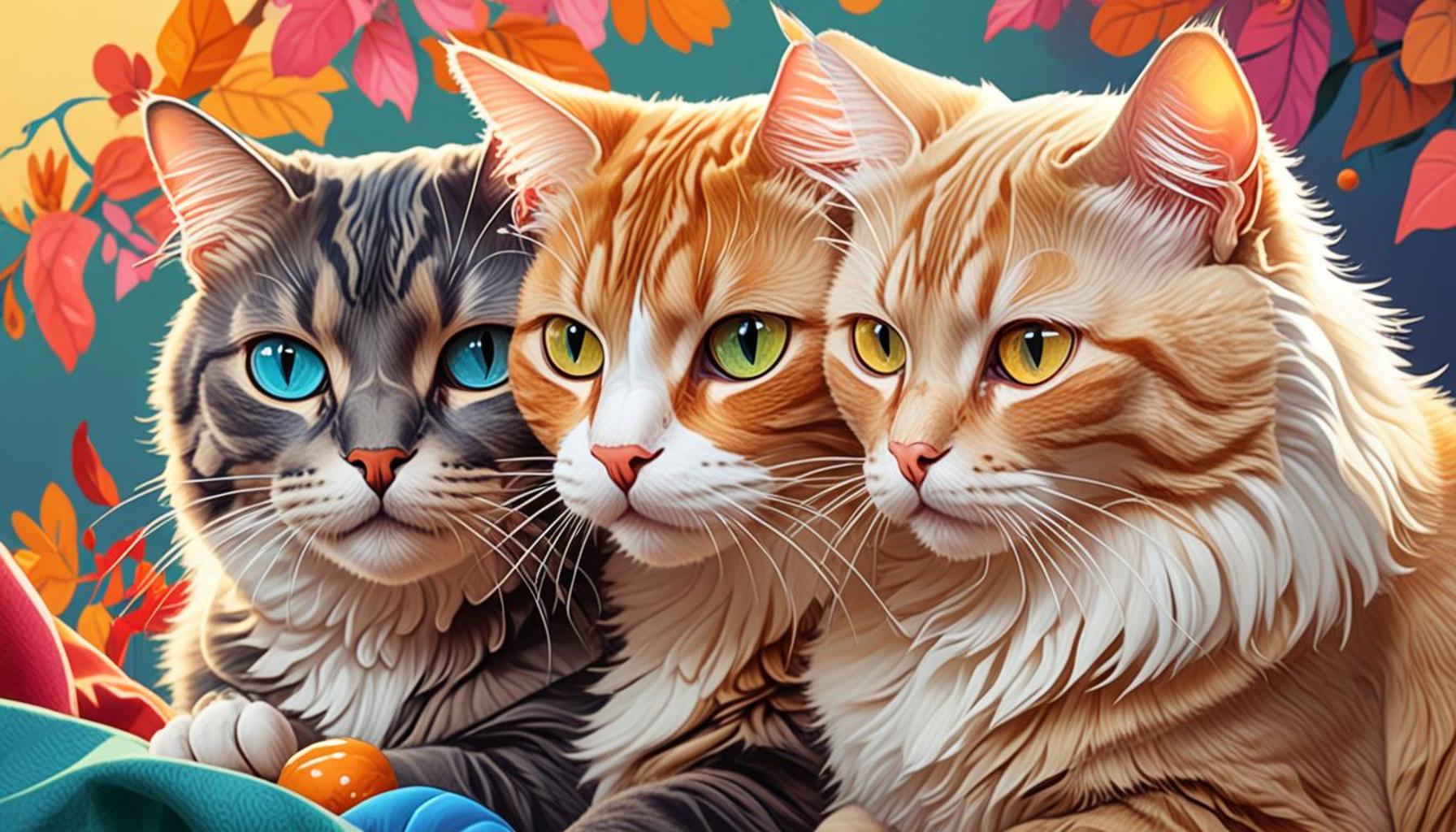
Choosing the Right Cat Breeds for Seniors
Cats have long been cherished for their unique companionship, but specific cat breeds stand out for senior citizens due to their supportive characteristics. These breeds provide emotional solace and practical companionship, contributing to a serene and fulfilling lifestyle. Let’s delve into some defining features that make these cats exceptional companions for older adults:
- Gentle Temperament: Many breeds favored by seniors exhibit a calm and gentle nature. For instance, the Persian cat, known for its placid demeanor, can thrive in a quiet home environment, making it ideal for those looking for a relaxed companion. Similarly, the Scottish Fold, with its affectionate personality, often prefers lounging on a lap rather than engaging in rambunctious play.
- Low Maintenance: Breeds like the British Shorthair and Ragdoll are particularly appealing because they require minimal grooming and are content with moderate activity levels. Their low-maintenance nature suits seniors who may struggle to keep up with more demanding pets.
- Affectionate Behavior: Cats such as the Maine Coon and Siamese are celebrated for their loving dispositions. They often follow their owners around the house or curl up beside them during leisure time, forging bonds that can enhance emotional wellbeing.
Beyond companionship, having a cat can yield various health benefits for seniors. Research has consistently shown that interacting with pets can significantly lower stress levels, decrease feelings of isolation, and improve overall mental health. Here are additional considerations that make cats ideal for older adults:
- Independence: Cats are generally independent animals, allowing seniors to maintain their lifestyle without feeling burdened. Most cats are self-sufficient when it comes to their needs, making them excellent companions for those who value their independence.
- Playfulness: Engaging in play with a cat can enhance mobility and stimulate cognitive function. Activities such as tossing a toy mouse or employing laser pointers encourage seniors to move and can be a delightful way to promote physical activity.
- Small Space Friendly: Cats adapt well to compact living arrangements, making them perfect for seniors residing in apartments or smaller homes. Their ability to thrive in confined spaces while providing companionship ensures that even those with limited room can enjoy the presence of a furry friend.
As we explore further, we will identify specific breeds that exemplify these qualities. By understanding the characteristics and benefits of these feline friends, seniors across the United States can enrich their lives with the joy of companionship that only a cat can provide. Whether it’s the soothing purr of a lap cat or the playful antics of a more spirited breed, the right feline companion has the potential to transform daily living into a more fulfilling experience.
DIVE DEEPER: Click here to learn more
The Ideal Characteristics of Companion Cats for Seniors
For many seniors, the companionship of a cat can bring joy, comfort, and a sense of purpose. As we explore the characteristics of cat breeds that suit older adults best, it becomes clear that certain traits can significantly enhance the quality of life for our beloved golden years. Each breed has its unique blend of qualities, offering different avenues for companionship, interaction, and care. Below are some essential characteristics that these feline companions bring to the table:
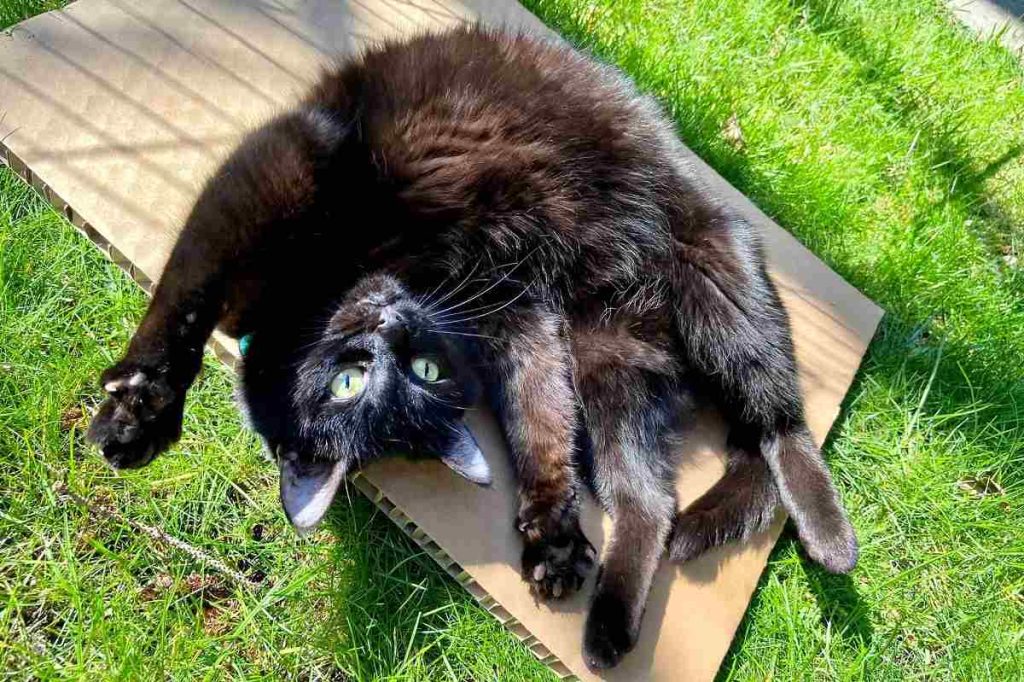
- Calm Demeanor: A Chartreux cat, for example, is known for its serene demeanor and affectionate nature. Less prone to anxiety and stress, such breeds can help create a peaceful home environment, which is often desired by seniors. This tranquility, combined with their tendency to be easily entertained by simple activities, makes them ideal lap cats.
- Adaptable Lifestyle: The American Shorthair is another breed that excels in adaptability. Whether seniors enjoy a bustling household or a more laid-back lifestyle, these cats can seamlessly fit into various living situations. Their flexible nature allows them to be content with occasional play or quiet time, ensuring they can meet the dynamic needs of their owners.
- Low Energy Needs: Many seniors prefer low-energy cats that still offer companionship. The British Shorthair, characterized by its stocky build and round face, is a champion at lounging around. They thrive in a less active environment, requiring minimal exercise, which suits the lifestyle of many older adults who might have mobility limitations.
- Social Interaction: Some breeds, such as the Sphynx, may require a bit more socialization but are extremely affectionate. Seniors might find great joy in playing with these mischievous felines who actively seek attention and love. Their high need for human interaction can foster a strong emotional bond, essential for combating loneliness and isolation.
Additionally, health considerations cannot be overlooked when assessing the suitability of cat breeds for seniors. Studies show that having pets can lower blood pressure, reduce anxiety, and even improve cardiovascular health. Coupling the health benefits of feline companionship with the right breed characteristics becomes a vital discussion point. Here are further traits to contemplate:
- Minimal Grooming Needs: The Ragdoll is a prime example of a breed that requires low grooming while maintaining a stunning coat. This characteristic is not only convenient for seniors who might face difficulty with physical grooming, but it also helps in keeping the pet’s upkeep manageable.
- Quiet Nature: Many older adults appreciate a peaceful environment. Breeds like the British Blue are known for their quiet demeanor and straightforward communication. They tend to be less vocal than other breeds, allowing for a more serene atmosphere.
Understanding these specific traits invites seniors to create meaningful relationships with their feline companions. By prioritizing calmness, adaptability, low maintenance, and affectionate behavior, older adults can find the perfect cat breed that aligns with their lifestyle and emotional needs. The right furry friend not only offers companionship but can also enhance emotional and physical wellness, making these pairs a perfect match.
Characteristics that Enhance Senior Companionship
When it comes to choosing the right feline friend, several characteristics of cat breeds stand out as particularly beneficial for seniors. Understanding these characteristics can significantly enhance the quality of life for both the pet and the caregiver. Below is a well-organized table showcasing key advantages that make specific cat breeds ideal companions for seniors.
| Category | Key Features |
|---|---|
| Calm Temperament | Many breeds, such as the Ragdoll or Persian, are known for their gentle nature, fostering a serene environment for seniors. |
| Low Maintenance | Breeds like the British Shorthair require less grooming, making them suitable for seniors who may have limited mobility. |
| Affectionate Behavior | Cats such as the Maine Coon love to cuddle and provide emotional support, which is invaluable for seniors. |
| Adaptable Nature | Breeds like the Scottish Fold easily adapt to different living situations, making them suitable for various senior housing arrangements. |
Understanding these characteristics can help seniors choose the right feline companion, maximizing both the companionship and the quality of life for both the cat and the owner. The effects of having a loving pet can lead to improved mental health, motivation for daily activities, and a profound sense of joy. Explore how different breeds can fit into your lifestyle and enhance the golden years with their unwavering companionship.
DISCOVER MORE: Click here to learn effective training strategies
Additional Traits Enhancing the Connection Between Seniors and Cats
When considering cat breeds that make ideal companions for seniors, it is essential to delve into additional characteristics that promote a beneficial relationship. These traits not only offer emotional support but also encourage seniors to engage more actively with their feline friends, resulting in a rewarding companionship.
- Affectionate Behavior: The Scottish Fold, celebrated for its distinctive folded ears, is known for its affectionate nature. This breed often forms strong bonds with their owners, providing constant companionship that can be comforting to seniors. Their gentle demeanor makes them perfect cuddle buddies, offering warmth and support during quiet evenings.
- Intelligent and Trainable: Cats such as the Bengal possess high intelligence and can be trained to follow simple commands, enhancing interactive play. Engaging a cat in activities like fetch or learning tricks not only adds fun to their daily routine but strengthens the connection seniors share with their pets.
Technology has made pet ownership even more accessible for seniors. With the rise of cat cameras and interactive toys, owners can monitor and engage with their pets remotely. This particularly benefits seniors who may not be physically able to play with their cats as actively. Furthermore, fostering a suitable environment with stimulating toys, climbing trees, or perch areas allows cats to thrive independently while still offering companionship to seniors.
- Quiet Playfulness: The Persian is often recognized for its calm disposition, but they are also playful when the time calls for it. These cats enjoy gentle games that can be easily played in a limited space, making it effortless for seniors with mobility concerns to join in. The modest energy requirements paired with their endearing personalities make them captivating companions.
- Wellness Benefits: Research indicates that pet ownership can yield significant health benefits for seniors. The presence of a kitty can lead to lower levels of stress hormone cortisol, which is crucial for seniors suffering from anxiety. Moreover, cats have been shown to help alleviate feelings of loneliness through their comforting presence, making them valuable companions in potentially isolating situations.
Moreover, age-friendly cat breeds often exhibit patience and understanding toward their owners’ needs. For instance, Ragdolls are known for their placid temperament, often opting to rest alongside their human companions rather than demanding high-energy play sessions. This laid-back nature creates a serene living environment that is particularly appealing to seniors seeking a sense of calm.
As seniors explore the unique characteristics of various cat breeds, they can make informed decisions about which feline companions align with their lifestyle and preferences. Factors like affectionate behavior, intelligence, and a peaceful disposition are paramount in defining the ideal pet for an older adult. Not only do these traits foster companionship, but they also cultivate an environment where both the cat and the caretaker can thrive.
DISCOVER MORE: Click here to find ideal hypoallergenic dog breeds
Conclusion
In summary, the characteristics of cat breeds that make them ideal companions for seniors encompass a unique blend of affectionate behavior, intelligence, and calm dispositions that cater specifically to the needs of older adults. Breeds like the Scottish Fold and Ragdoll provide unwavering emotional support and companionship, crucial in combating feelings of loneliness that seniors may face. Additionally, the gentle playfulness of the Persian and the interactiveness of the Bengal offer opportunities for seniors to engage in enjoyable activities that promote mental stimulation and physical wellbeing.
Furthermore, the integration of technology in pet care has enabled seniors to maintain their bond with pets more easily. Features such as interactive toys and pet cameras have made it possible for them to connect and monitor their feline companions from a distance, enhancing the overall experience of pet ownership. Importantly, the health benefits associated with owning a cat, such as reduced stress and increased emotional stability, make these furry friends not only delightful but also vital for nurturing a healthy lifestyle.
As seniors consider inviting a cat into their lives, understanding the specific breed characteristics that align with their preferences and lifestyle can significantly enhance their companionship journey. By selecting the right feline friend, seniors can cultivate a fulfilling and enriching relationship, turning their home into a vibrant space for shared joy and tranquility.