The Impact of Training on the Personality of Different Dog Breeds
Understanding Canine Behavior Through Training
The personality of a dog is often shaped by more than just its breed. Training plays a crucial role in determining how a dog’s inherent traits are expressed. From socialization to obedience, each aspect of training can leave a distinct mark on a dog’s temperament. The role of training extends beyond mere obedience commands; it encompasses behavior modification, social interactions, and even stress management.
Different dog breeds have unique characteristics that can be enhanced or muted through effective training. Here are some of the most notable breed traits impacted by training:
- Terriers: Known for their high energy and often tenacious personality, training helps channel their exuberance into manageable behaviors. For instance, through agility training, a Jack Russell Terrier can focus its instincts for digging and chasing into impressive athleticism, showcasing its intelligence and energy in productive ways.
- Retriever breeds: Breeds like the Labrador and Golden Retriever are often friendly and enthusiastic. Training can enhance their natural retrieval instincts, allowing them to excel in activities such as search and rescue or therapy work. A well-trained retriever not only brings back fetched items but also fosters better relationships with people, enhancing their role as family companions and service dogs.
- Working dogs: This group includes breeds like German Shepherds and Boxers, which typically thrive on structured training. Such training satisfies their need for mental and physical stimulation. For example, police dogs undergo intense training that not only sharpens their obedience but also enhances their natural instincts for protection and tracking, making them invaluable assets in law enforcement.
So, what exactly is the impact of training on canine personality? It can transform a nervous puppy into a confident companion or turn an overly excited dog into a calm and collected partner. For instance, an anxious rescue dog may receive desensitization training, enabling it to feel more at ease around new people and environments. Understanding these dynamics becomes essential for both prospective dog owners and current pet parents alike.
As we delve deeper into this topic, we will uncover the intricate relationship between training methods and the emotional well-being of various dog breeds. By exploring specific case studies, such as the success stories of therapy dogs who have undergone rigorous training to help individuals with emotional challenges, and gathering expert insights from renowned dog trainers, readers will gain a greater appreciation for the difference that training can make in a dog’s life. Furthermore, aspects like positive reinforcement versus punitive training methods will also be analyzed, revealing how different approaches can significantly shape a dog’s disposition.
In a country where dogs are cherished members of the family, understanding how to leverage training to nurture and bring out the best in our canine companions is of paramount importance. By investing in training, dog owners not only enhance their pets’ behavior and skills but also build a deep, trusting relationship that enriches both their lives.
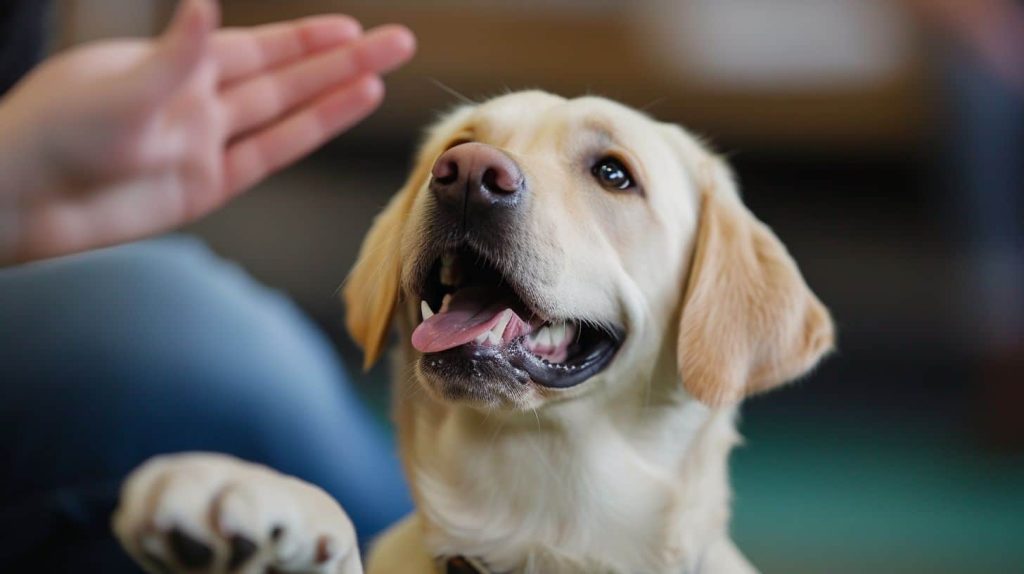
DISCOVER MORE: Click here for tips on cat litter box training
The Role of Training in Shaping Canine Personalities
The personality of a dog does not solely stem from its genetic makeup; instead, it is a complex interplay of behavior, training, and social environment. Training significantly influences how various breeds express their unique traits, transforming natural instincts into behaviors that promote harmonious relationships with humans and other animals. Understanding how different breeds respond to training can enlighten prospective dog owners about what to expect and how best to nurture their furry companions.
Types of Training and Their Impact
Training can take various forms, including basic obedience, socialization, agility training, and specialized tasks. Each type not only addresses the dog’s needs but also serves to enhance or moderate breed-specific traits. The following points highlight how certain training approaches impact the personality of dog breeds:
- Positive Reinforcement: This method emphasizes rewarding desirable behaviors, making it particularly effective for breeds known for their intelligence, such as Poodles and Border Collies. These dogs tend to thrive when they receive praise, treats, or playtime as rewards for good behavior, which boosts their confidence and willingness to learn.
- Socialization Training: For breeds that might be more reserved or aggressive, such as Chihuahuas or Pit Bull Terriers, socialization plays a crucial role. By exposing them to different environments, dogs learn to interact better with people and other animals, significantly influencing their overall temperament.
- Behavior Modification: Certain breeds, like the anxious Beagle, may require specialized training programs focused on behavioral correction. Techniques such as desensitization are critical in helping these dogs cope with anxiety, thus allowing them to develop a calmer persona. This kind of tailored approach can help create a well-adjusted pet who fits comfortably into family life.
The effectiveness of training methods can yield profound changes in a dog’s behavior and personality. For example, a fearful dog may become more self-assured, facilitating a more enjoyable living experience for both the dog and its owner. Conversely, improper training techniques can lead to the expression of undesirable traits, such as aggression or excessive shyness, highlighting the necessity for informed and effective training practices.
The Influence of Environment and Owner Interaction
While training is vital, the environment in which a dog is raised is equally significant. Dogs require a consistent and nurturing environment that reinforces training efforts. A supportive environment facilitates the emergence of a dog’s true personality, allowing for a more balanced and sociable companion.
Moreover, the relationship between dogs and their owners plays a key role in shaping personality. Attachment and trust developed through positive interactions lead to better training outcomes. Dogs that receive regular attention, proper socialization, and love are more likely to exhibit well-rounded and stable personalities, compared to those who may be neglected or poorly treated.
As we further explore the profound impact of training on canine personalities, we shall delve into specific case studies and expert opinions that reveal just how transformative effective training can be for various dog breeds, solidifying the essential nature of training in fostering positive behavior in our canine companions.
The Impact of Training on the Personality of Different Dog Breeds
Training plays a pivotal role in shaping the behavior and personality of dogs, and this impact can vary significantly depending on the breed. Certain breeds are more predisposed to specific personality traits that can be enhanced or mitigated through effective training methods. For instance, more intelligent breeds such as Border Collies or Poodles often thrive on structured tasks and mental stimulation. When adequately trained, they exhibit traits such as increased focus, adaptability, and enhanced socialization skills. In contrast, breeds like Bulldogs may have a more laid-back demeanor, but structured training is essential to prevent stubbornness and promote good behavior.Each breed brings its unique characteristics to the training table, and understanding these traits can lead to improved outcomes. For example, small breed dogs, like Chihuahuas, often display a feisty personality. Training helps channel their energy into positive behaviors, allowing them to become well-adjusted companions. On the other hand, large breeds, including German Shepherds, require firm yet gentle training to help them understand their role in a family environment.Moreover, the methods used in training—positive reinforcement versus negative reinforcement—can impact personality development. Positive reinforcement strategies not only build trust between the dog and owner but also foster a happier and more confident personality. Research has shown that dogs trained primarily with rewards tend to be more social and less anxious, thereby showcasing how training can deeply influence their overall disposition.Additionally, socialization during the critical early weeks of a dog’s life is crucial. Breeds that are socialized with varied experiences, people, and other dogs tend to develop well-rounded personalities, making them less prone to fear and aggression when exposed to new situations. In contrast, a lack of proper socialization can result in timid or overly aggressive behavior, depending on the breed’s inherent tendencies.The synergy between breed characteristics and training approaches creates a dynamic environment that directly influences a dog’s personality. Understanding these nuances empowers dog owners to make informed decisions that encourage positive behavioral traits and help mitigate any potential challenges that arise from their dog’s breed-specific tendencies. This journey through the diverse impacts of training on various dog breeds promises to unveil helpful insights for dog owners looking to enhance their furry companions’ personalities.
| Category 1 | Category 2 |
|---|---|
| Training Techniques | Influence breed personalities positively through structured techniques. |
| Socialization | Early experiences help develop a well-adjusted personality. |
Training and socialization interlink to sculpt the personality of dogs. This understanding equips dog owners with powerful tools to create desirable behavioral traits in their canine companions, fostering a harmonious home environment.
DIVE DEEPER: Click here for essential training tips
Case Studies: Transformative Training Results in Various Breeds
To better understand the impact of training on the personality of different dog breeds, examining real-life case studies provides invaluable insights. Through these examples, we can observe how tailored training programs yield significant changes in behavior and overall temperament, leading to happier, more content canine companions.
The Labrador Retriever: From Hyperactive to Harmonious
Labrador Retrievers are well-known for their friendly demeanor but can sometimes exhibit overexcitement and impulsiveness, particularly as puppies. In a notable case, a young Lab named Max was initially deemed too boisterous for a family with young children. Through a structured training regimen that combined obedience classes with positive reinforcement strategies, Max learned to channel his energy more appropriately. He was rewarded for calm behavior, which helped him develop a more stable and affectionate personality, enabling him to interact joyously with the family’s children while becoming a well-mannered adjunct to their home.
German Shepherds: Fostering Confidence Through Early Socialization
German Shepherds are renowned for their loyalty and protective instincts, yet they can become overly wary around strangers if not properly socialized. A particularly striking example involves a German Shepherd named Rocky, who was shy and fearful when exposed to unfamiliar faces and environments. Rocky’s owner enrolled him in a comprehensive socialization program that introduced him to various people, animals, and situations. Over time, Rocky learned to approach new experiences with confidence instead of apprehension. This shift not only enriched Rocky’s personality, allowing him to embrace different environments, but also solidified his role as a reliable working dog in therapy settings.
Chihuahuas: Empowering Through Positive Reinforcement
Often perceived as feisty and possessive, Chihuahuas can benefit greatly from attentive training that fosters better behavior. A case study involving a Chihuahua named Bella illustrates this point well. Bella displayed aggressive tendencies when encountering other dogs and unfamiliar humans. Through consistent training that emphasized positive reinforcement—rewarding her for calm interactions with a variety of stimuli—Bella transitioned from a reactive to a more balanced canine companion. This transformation not only enhanced her quality of life but also made her a beloved member of her community.
The Role of Specialized Trainers
While many dog owners undertake the training process themselves, enlisting the help of specialized trainers can further amplify the positive impact training has on a dog’s personality. Expert trainers often employ behavioral science principles tailored to specific breeds, maximizing results. For instance, certain breeds, like the Australian Shepherd, thrive on tasks that mentally challenge them. When exposed to engaging activities such as agility courses or herding lessons designed by a professional, these dogs experience job satisfaction, allowing their natural instincts to flourish in a constructive manner.
Moreover, trainers can provide ongoing support and accountability for owners, offering a structured approach that enhances the bond between pet and owner. By employing professional knowledge, owners can foster the best versions of their furry friends, tailoring techniques that lead to unique personality developments.
These case studies reveal the undeniable truth that with appropriate training and socialization practices, dogs can evolve into their best selves, showcasing personalities that align with the needs and values of their human families. As we continue exploring the intricate relationship between training and dog personality, the next step involves a closer look at breed-specific training philosophies and their impact on overall behavioral outcomes.
DON’T MISS OUT: Click here for effective puppy training tips
Conclusion: Unleashing Your Dog’s Potential Through Training
In summary, the impact of training on the personality of different dog breeds is profound and multifaceted. As we’ve explored through various case studies, tailored training programs can lead to remarkable transformations in behavior, enhancing the overall temperament of dogs and enriching their interactions with humans and other animals. Whether it’s a Labrador Retriever like Max learning to manage his exuberance or a German Shepherd like Rocky overcoming his shyness, each example illustrates the potential for positive change through dedicated training.
Moreover, we have seen how specialized trainers can play an essential role in maximizing these benefits by employing breed-specific techniques that cater to a dog’s unique characteristics and instincts. The success stories of dogs like Bella, who shifted from aggression to calmness, highlight the crucial connection between training and a dog’s quality of life. This underscores the idea that appropriate training can not only foster better behavior but also forge a deeper bond between pet and owner.
As dog owners consider the best ways to enhance their pets’ personalities, it’s vital to remember that effective training goes beyond mere obedience; it shapes the very essence of a dog’s character. By investing time and effort into comprehensive training practices, owners can truly unlock the full potential of their canine companions. Ultimately, understanding the relationship between training and personality opens the door to creating happier, healthier, and more harmoniously integrated members of our families.