
How Diet Affects the Health of Specific Breeds of Pets
Understanding Your Pet’s Nutritional Needs
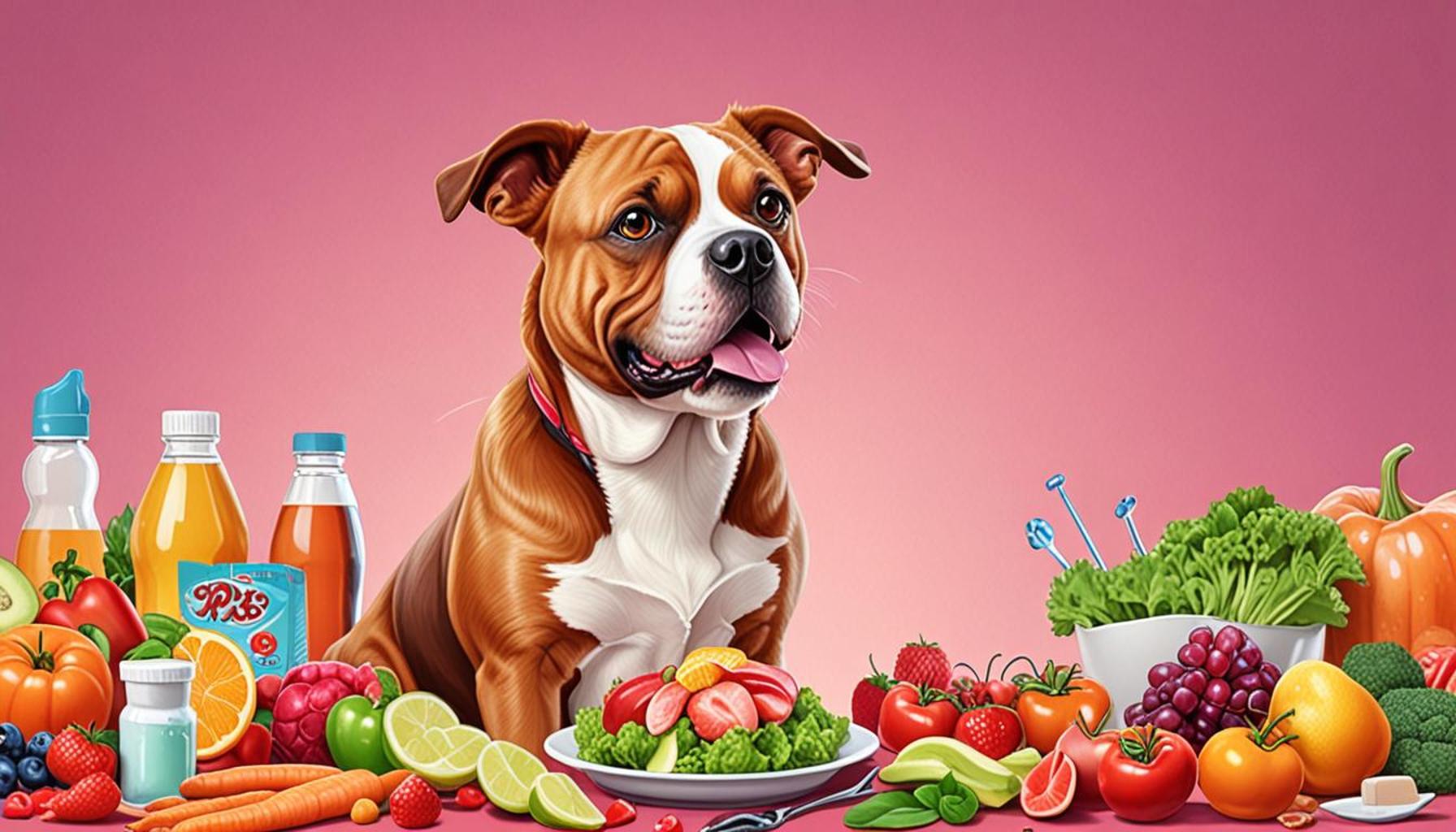
The health of our pets is intricately linked to their diet, often varying by breed. Just like humans, pets have specific nutritional requirements that can significantly affect their overall health and well-being. This relationship between diet and health is especially crucial for different breeds, each with unique characteristics. Proper nutrition can be the key to unlocking a long and vibrant life for your furry friends.
Several factors play a central role in determining what constitutes a healthy diet for your pet:
- Breed-specific requirements: Different breeds come with varying predispositions to health conditions, meaning they may need specific dietary interventions. For example, larger breeds like the Rottweiler can be prone to obesity and joint issues, necessitating a diet lower in calories yet rich in omega-3 fatty acids to support joint health.
- Age and activity level: Just as human nutritional needs change with age, so do those of pets. Puppies, which are in a critical growth phase, require diets high in protein and fat, while senior pets may benefit from lower calorie content and increased fiber to aid digestion. An active breed like the Australian Shepherd would need substantial caloric intake to fuel its energy, whereas a couch-loving feline may require a more moderated approach.
- Allergies and sensitivities: Many pets may suffer from food allergies or intolerances. Common allergens may include grains or specific meat proteins. Breeds like the Labrador Retriever are known for their sensitive stomachs, and therefore might thrive on a hypoallergenic diet tailored to eliminate common irritants.
Taking a closer look at specific examples, large breed dogs, such as the Great Dane, are particularly susceptible to conditions like hip dysplasia and bone issues. To address these concerns, a specialized diet rich in calcium and balanced proteins can be beneficial. This could include foods supplemented with glucosamine and chondroitin to promote joint health. In contrast, small breeds, such as Dachshunds, may suffer from obesity due to their penchant for begging or overeating. For these dogs, controlling portion sizes and incorporating a diet high in fiber can help maintain a healthy weight and support digestive health.
Pet owners must carefully consider these various elements to foster a healthier lifestyle for their furry companions. By tailoring their pets’ diets according to their specific breed needs, owners are not just providing nourishment but also paving the way for improved quality of life and longevity. The positive implications of a well-rounded diet can lead to healthier skin, a shinier coat, enhanced energy levels, and ultimately, a more joyful existence. You might find it enriching to dive deeper into how diet affects the health of specific breeds to ensure your pet thrives throughout all stages of life.
DISCOVER MORE: Click here for family-friendly cat breeds

The Impact of Diet on Specific Breeds
Understanding how diet affects the health of specific pet breeds requires a detailed exploration of their unique characteristics and predispositions to diseases. Each breed has been selectively bred for various traits over many generations, influencing not only their behavior and appearance but also their nutritional needs. As pet owners, it is essential to recognize these breed-specific nuances to provide diets that promote optimal health and longevity.
One notable example is the Golden Retriever, a breed that is incredibly popular in many American households. Golden Retrievers are known for their friendly disposition but are also prone to certain health issues, particularly obesity and hip dysplasia. This necessitates that their diet be carefully monitored. A high-quality food that emphasizes lean proteins, whole grains, and vegetables, while being mindful of calorie intake, can contribute significantly to maintaining a healthy weight and supporting joint health. Incorporating supplements like fish oil can also be beneficial, as they are rich in omega-3 fatty acids, known to support a healthy coat and skin, as well as joint function.
Small breeds, such as the Yorkshire Terrier, require a different approach. Due to their small size, they have higher metabolic rates that demand more frequent meals of energy-dense foods. A well-rounded diet rich in high-quality proteins, combined with antioxidants, can help maintain their energy levels and bolster their immune systems. However, small breeds are also prone to dental issues, so incorporating crunchy kibble or dental treats can promote oral health by reducing plaque build-up.
Another breed deserving of attention is the Boxer. Boxers are energetic and muscular, yet they face specific challenges such as heart conditions and bloat. A balanced diet that includes highly digestible proteins and amino acids can help support their energy needs and muscle repair. Monitoring their food intake is crucial, as they are prone to overeating. Providing smaller meals throughout the day, rather than one large meal, can help mitigate the risks associated with bloat.
It’s essential to consider common dietary pitfalls that can affect a variety of breeds:
- Poor-quality ingredients: Low-quality pet foods often contain fillers and artificial additives, which can lead to digestive issues and allergies.
- Excessive treats: While treats can be an effective training tool, overindulgence can lead to obesity and associated health issues.
- Improper portion sizes: Each breed has different caloric needs that can easily be overlooked, leading to weight gain, especially in breeds prone to obesity.
By having a profound understanding of how diet affects specific breeds, pet owners can make informed decisions that will result in healthier, happier pets. Investing time in researching the optimal nutritional needs for your pet’s breed can dramatically impact their health trajectory and improve their quality of life.
How Diet Affects the Health of Specific Breeds of Pets
Understanding the direct correlation between diet and health among specific pet breeds is essential for every pet owner. Each breed has unique dietary needs that can significantly impact their overall health and wellbeing. Proper nutrition can mitigate health risks and enhance the longevity and quality of life for pets. Below is an informative table outlining advantages that come with tailoring dietary plans specific to certain breeds.
| Breed-Specific Diet | Health Improvements |
|---|---|
| Large Breeds (e.g., Great Danes) | Reduced risk of joint issues and hip dysplasia. |
| Small Breeds (e.g., Chihuahas) | Enhanced digestive health and weight management. |
| Cats (e.g., Siamese) | Prevention of obesity and promotion of skin health. |
| Working Dogs (e.g., Huskies) | Improved energy levels and muscle maintenance. |
Each breed’s unique characteristics influence how effectively they can metabolize certain nutrients. For instance, a Great Dane may benefit from a diet rich in glucosamine to support their large joints, while a small breed may require higher protein levels for their metabolism. Thus, tailoring the diet to the specific needs of your pet’s breed not only optimizes their health but can also prevent various breed-related health problems.
As pet owners, understanding these nuances allows us to provide better care for our furry companions. Being informed about the dietary requirements of individual breeds paves the way for healthier pets and enhances their quality of life. This knowledge encourages a more thoughtful approach to pet ownership.
DISCOVER MORE: Click here to learn how your pet’s diet impacts your health
Specific Nutritional Needs in Breeds
In the realm of pet nutrition, particular attention must be paid to how certain breeds may require unique dietary considerations beyond common knowledge. Take, for instance, the Dalmatian. This breed is recognized not only for their striking appearance but also for their specific metabolic needs. Dalmatian puppies are known to have a higher tendency to form kidney stones, making it crucial for their diet to be low in purines. Ensuring they have a balanced intake of high-quality protein sources, along with adequate hydration, can significantly decrease the risk of urinary issues. Furthermore, it’s vital to monitor their phosphorus intake, as maintaining optimal levels supports kidney health.
Another breed that highlights the importance of dietary customization is the German Shepherd. Known for their loyalty and intelligence, they often suffer from digestive problems, which can be alleviated through a diet rich in fiber and probiotics. These ingredients promote gut health, thus assisting in preventing conditions like bloat and inflammatory bowel disease. In addition, due to their predisposition to hip and elbow dysplasia, a diet fortified with glucosamine and chondroitin can provide extra support for joint health, enabling these working dogs to maintain their active lifestyle.
Investigating diet’s impact on feline breeds is equally essential. Take the Sphynx cat, for example; this hairless breed has a unique set of dietary requirements. Their higher metabolic rate, due to their lack of fur, necessitates a calorically-dense diet that includes healthy fats for energy. Additionally, maintaining their skin health is paramount. Supplements rich in omega fatty acids can counteract skin oils and promote a healthy barrier. A mixture of high-quality dry and wet food can ensure that these cats maintain their weight and skin health while also ensuring hydration.
It’s also crucial to recognize the breed-specific sensitivities towards certain ingredients. For example, the Shih Tzu may be prone to allergies that can manifest in skin conditions or digestive issues. Thus, offering a diet without common allergens, like grains or specific proteins, can prove beneficial. Furthermore, small-sized kibble that promotes chewing rather than swallowing can alleviate dental problems commonly seen in brachycephalic breeds, further enhancing their overall health.
Pet owners must remain vigilant regarding diet trends and how they relate to their chosen breeds. The rise of grain-free diets has become a prevalent discussion point; however, researching individual breed predispositions is essential before transitioning. Specific breeds, such as Boxers and Saint Bernards, are at increased risk for heart-related diseases linked to taurine deficiencies if fed prolonged grain-free diets. Consulting with a veterinarian familiar with breed diet issues is the key to navigating these complex nutritional choices effectively.
Breeding practices influence not only the pet’s appearance but also their dietary needs. Recognizing the genetic predispositions to certain conditions allows pet owners to tailor their pets’ diets proactively. In the kaleidoscope of pet breeds, well-informed dietary choices pave the way for enhanced health and happier lives.
DIVE DEEPER: Click here to uncover effective training techniques
Conclusion
In summary, understanding how diet affects the health of specific breeds of pets is essential for promoting their overall well-being. The intricate relationship between a pet’s breed and their dietary requirements underscores the need for tailored nutritional strategies that address individual health needs. For example, the dietary limitations of Dalmatians, the digestive considerations of German Shepherds, and the unique metabolic demands of Sphynx cats highlight not only the physiological differences among breeds but also the necessity of informed dietary choices.
Furthermore, as pet owners, it is our responsibility to stay updated on evolving diet trends. This means not only embracing beneficial changes but also critically evaluating popular diets like grain-free options, which may inadvertently compromise certain breeds’ health. Engaging with a veterinarian knowledgeable in breed-specific dietary requirements can provide valuable insights, ensuring pets receive the most suitable nutrition.
Ultimately, the goal is to promote longevity and vitality across the diverse array of pet breeds. By approaching pet nutrition with a keen awareness of these breed-specific needs, we pave the way for healthier, happier lives for our furry companions. In a world where holistic understanding of animal care becomes increasingly paramount, wise dietary choices stand out as a central pillar to fostering the well-being of our beloved pets.