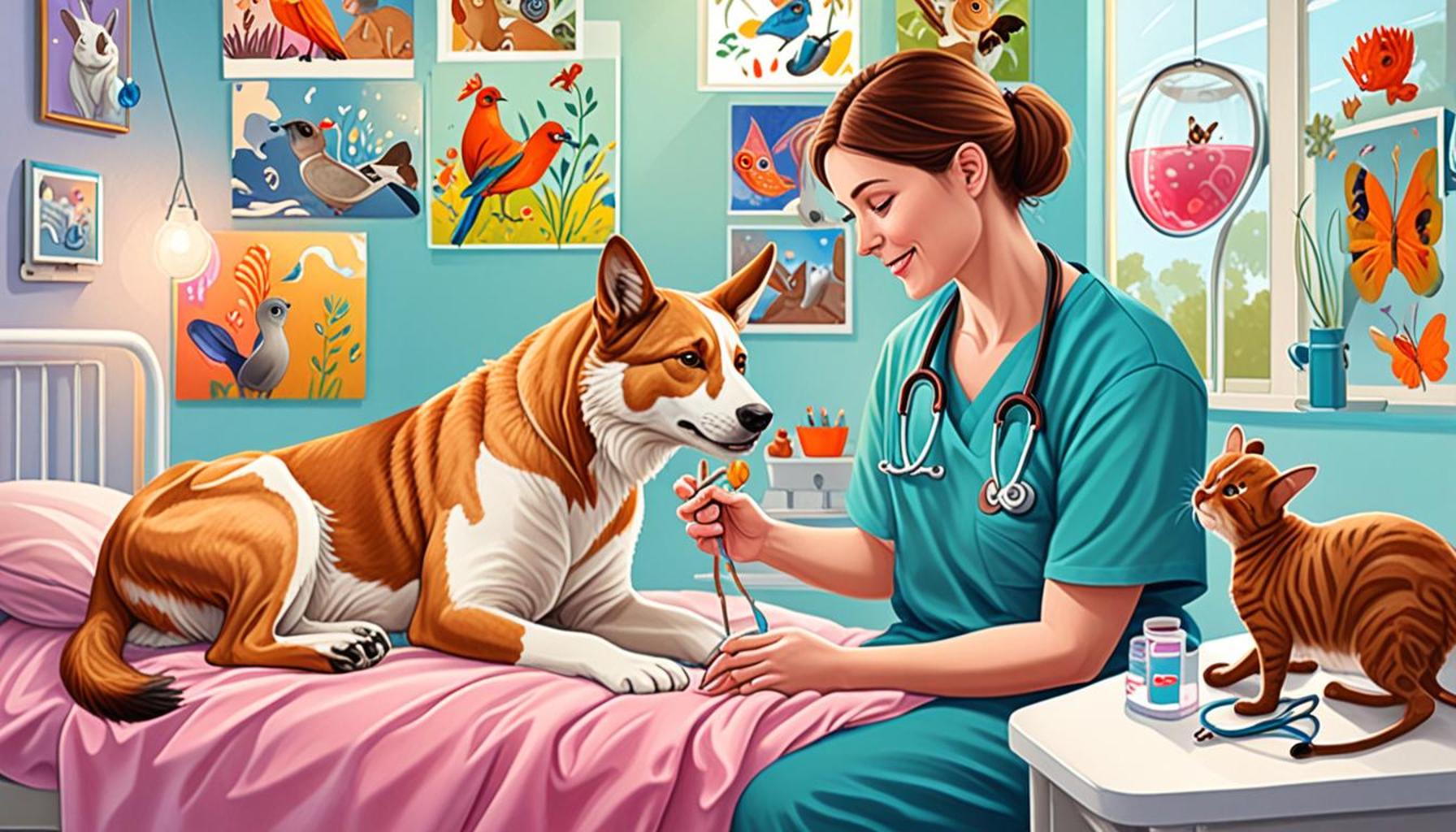
The Role of Pets in Reducing Stress and Anxiety

Understanding the Role of Pets in Mental Health
In today’s fast-paced world, stress and anxiety levels are on the rise. Many individuals are seeking effective ways to cope, and one surprising ally comes in the form of furry companions. Pet ownership has shown to play a crucial role in mitigating these modern-day challenges.
Research indicates that pets provide emotional support and help improve mental well-being. Consider the remarkable benefits they bring:
- Unconditional Love: Pets offer companionship and loyalty, creating a sense of belonging. A dog waiting at the door can provide a sturdier emotional foundation than one might realize, especially for those who live alone.
- Physical Activity: Walking dogs or playing with cats promotes a more active lifestyle, which can reduce anxiety. For instance, a simple daily walk with a dog can encourage individuals to step outside and engage with nature, which is linked to enhanced mental health.
- Stress Relief: Interacting with animals can lower cortisol levels and increase serotonin release. Just petting a dog or cat can lead to immediate feelings of joy and calmness.
Numerous studies support the idea that having a pet can enhance the quality of life. For example, a survey by the Human-Animal Bond Research Institute found that 74% of pet owners reported mental health improvements due to their pets. This connection can be particularly comforting in high-stress environments such as urban settings across the United States. In cities like New York or Los Angeles, where fast-paced lifestyles can feel isolating, a pet might be the perfect companion to help mitigate feelings of loneliness.
Beyond the immediate emotional benefits, pets can serve as a catalyst for social interactions. Dog parks, for instance, provide an excellent opportunity for pet owners to connect and bond over shared interests, fostering a sense of community. Many people have remarked that their pets have helped them form lasting friendships, significantly enhancing their social networks.
As we explore the profound impact pets can have on emotional health, we delve deeper into the science, personal stories, and practical ways to engage with our animal companions. For example, therapy dogs are increasingly being integrated into schools and hospitals, where their comforting presence has been shown to reduce stress and anxiety among students and patients alike.

Each paw-printed journey bears witness to the powerful bond between humans and their four-legged friends, ultimately illustrating an undeniable truth: that the comfort of companionship can significantly enrich our mental and emotional health. Engaging with our pets not only nurtures our own spirits but also provides our beloved companions with a loving home, creating a harmonious relationship that benefits both parties.
DISCOVER MORE: Click here for effective puppy training tips
The Positive Impact of Pets on Stress Relief
The relationship between pet ownership and mental health has been widely studied, revealing compelling evidence of how pets can help reduce stress and anxiety. This bond is more than a simple companionship; it’s intertwined with various psychological benefits that can enhance emotional resilience.
One of the primary ways pets contribute to stress reduction is through their ability to evoke feelings of joy and tranquility. When individuals engage in activities such as hugging a cat or tossing a ball to a dog, they experience an immediate decrease in feelings of tension. This is due to the biological response the body has to loving interactions with pets, including increased levels of oxytocin, known as the “love hormone,” and a decrease in cortisol, the stress hormone.
Benefits of Pet Ownership
The psychological and physical benefits of having pets are extensive. Here are some key advantages:
- Routine and Responsibility: Pets require a consistent schedule for feeding, exercise, and grooming. This routine can provide a structured lifestyle, helping pet owners to manage their time and decrease feelings of chaos or unpredictability.
- Non-Judgmental Companionship: Unlike human interactions, pets offer a non-judgmental support system. Individuals often feel more comfortable expressing emotions around their pets, which can serve as an outlet for stress relief.
- Distraction from Worries: Caring for a pet can divert focus from personal stressors. Activities like playing or training can offer a much-needed break, helping individuals to live in the moment rather than ruminating about past or future worries.
- Enhanced Mood: The simple act of petting an animal has been shown to elevate mood levels significantly. Studies indicate that such physical contact can release neurotransmitters that combat feelings of anxiety, resulting in an overall positive outlook.
Many animal-assisted therapy programs are emerging throughout the United States, responding to a growing awareness of the therapeutic value pets offer. Therapists are integrating animals, especially dogs, into their practice settings, including schools, hospitals, and rehabilitation centers. This innovative use of animals showcases a successful way to alleviate anxiety in these environments, allowing individuals to experience calmness when facing challenges.
As we observe the multifaceted impacts of pets on mental well-being, it becomes evident that their presence is not just beneficial; it is necessary for many. The companionship of pets offers a sanctuary amidst life’s pressures, enabling individuals to foster emotional balance. Understanding the depths of these benefits can inspire more people to consider enriching their lives with the unconditional love and joy pets provide, ultimately leading to improved mental health.
The presence of pets in our lives has been linked to numerous psychological benefits, especially regarding stress and anxiety reduction. Numerous studies illustrate how animals contribute to improved mental health, creating a holistic approach to wellness. For instance, pet owners often report feeling a greater sense of calmness and emotional stability that can be attributed to the unconditional love and companionship of their furry friends. Notably, interacting with pets has been shown to trigger the release of oxytocin, a hormone associated with bonding and relaxation.
Furthermore, the act of caring for a pet can provide a sense of purpose and routine, which is essential for those struggling with anxiety. Establishing consistent feeding and exercise schedules for pets can enhance one’s daily structure, ultimately fostering a sense of control in uncertain times. Additionally, witnessing a pet’s joyful behavior, such as playfulness or affection, can effectively combat feelings of loneliness or distress.
| Category | Description |
|---|---|
| Emotional Support | Pets provide unwavering love and companionship, contributing positively to emotional health. |
| Routine and Structure | Caring for pets fosters daily routines, enhancing feelings of stability and control. |
Engaging in activities such as petting, playing, or simply sitting with a pet allows individuals to experience mindfulness, redirecting focus away from stressors. Additionally, these interactions can serve as a therapeutic outlet, making them particularly beneficial for those experiencing anxiety disorders. If you’re considering welcoming a pet into your home, it’s important to recognize the profound impact they can have on your mental health, providing not just companionship, but also a pathway to a lower-stress lifestyle.
LEARN MORE: Click here to discover the benefits of pets on health
Pets as Therapeutic Allies in Everyday Life
In addition to the personal connection between pets and owners, various programs and initiatives are highlighting the therapeutic effects of animal companionship in more structured environments. For instance, pet therapy has gained ground in mental health treatment settings, where trained therapy animals assist individuals in managing their anxiety. Facilities incorporating animal-assisted therapy have not only reported improved patient outcomes but also a notable reduction in stress levels among patients. This trend speaks volumes about the vital role pets can play in the therapeutic process.
Furthermore, research conducted by the American Heart Association reveals that pet ownership is associated with lower blood pressure, cholesterol levels, and triglyceride levels. These physical health benefits reciprocally enhance mental well-being, as lower blood pressure and cholesterol can lead to decreased anxiety levels. The simple act of walking a dog, for example, not only encourages physical activity but also promotes a positive mental state.
Social Benefits of Pet Ownership
Social connections often become strained amidst stressful times, but pets act as catalysts for social interactions. Dog parks and pet-friendly events provide opportunities for pet owners to meet and bond with others. This crucial social interaction can combat feelings of isolation or loneliness, which are known contributors to anxiety. A study published in the journal “Anthrozoös” indicates that pet owners generally have richer social lives due to the connections formed through their pets. This shared experience can build community support, an essential factor in managing mental health.
Moreover, welcoming a pet into one’s home can teach valuable lessons about empathy, nurturing, and responsibility. These skills foster emotional intelligence and resilience, traits that are vital for managing life’s challenges. By caring for a pet, individuals often develop greater understanding and patience, equipping them with tools necessary to face their own stressors.
Interestingly, the type of pet can also play a unique role in stress and anxiety reduction. For instance, studies show that cats and small mammals may provide a sense of calm for those who prefer quieter companionship. On the other hand, larger animals, like dogs, may encourage more active lifestyles, providing an outlet for pent-up energy and stress. Each relationship with a pet is distinctly personal, and the varying natures of pets ensure that there is a suitable match for nearly every individual seeking emotional support.
To further explore the benefits of pets, various organizations, including the Human-Animal Bond Research Institute, advocate for ongoing research and education surrounding animal interactions and their effects on mental health. Such discoveries can illuminate new pathways towards therapeutic practices, showing that, indeed, the bond between humans and pets can be a profound asset in the navigation of stress and anxiety.
DISCOVER MORE: Click here for essential insights
Conclusion
In summary, as we delve into the role of pets in reducing stress and anxiety, it becomes increasingly clear that these beloved companions are not just a source of joy and affection, but are also pivotal in promoting mental well-being. Numerous studies underscore that interactions with pets can lead to decreased levels of cortisol, the stress hormone, while boosting oxytocin, often referred to as the ‘bonding hormone’. This biochemical duo plays a significant part in creating not only a sense of calm but also a profound emotional connection between humans and their pets.
Furthermore, the social benefits of pet ownership cannot be overlooked. In a time marked by rising anxiety and isolation, pets serve as a vital bridge to social connections, whether through community events, walks in the park, or simply shared experiences among fellow pet owners. The resulting sense of belonging can be tremendously therapeutic, offering support during challenging times.
Importantly, pets teach invaluable life skills such as empathy, responsibility, and resilience. As individuals navigate the demands of life, these skills can significantly contribute to better stress management. With the growing acknowledgment of the therapeutic impact of animal companionship—coupled with initiatives like animal-assisted therapy—the relationship between humans and pets offers exciting possibilities for emotional healing.
As we continue to explore this enriching bond, it is evident that pets are much more than just animals; they are profound allies in our quest for peace and tranquility amidst the chaos of modern life. For those seeking effective ways to combat stress and anxiety, the answer may very well lie in the warm embrace of a furry friend.