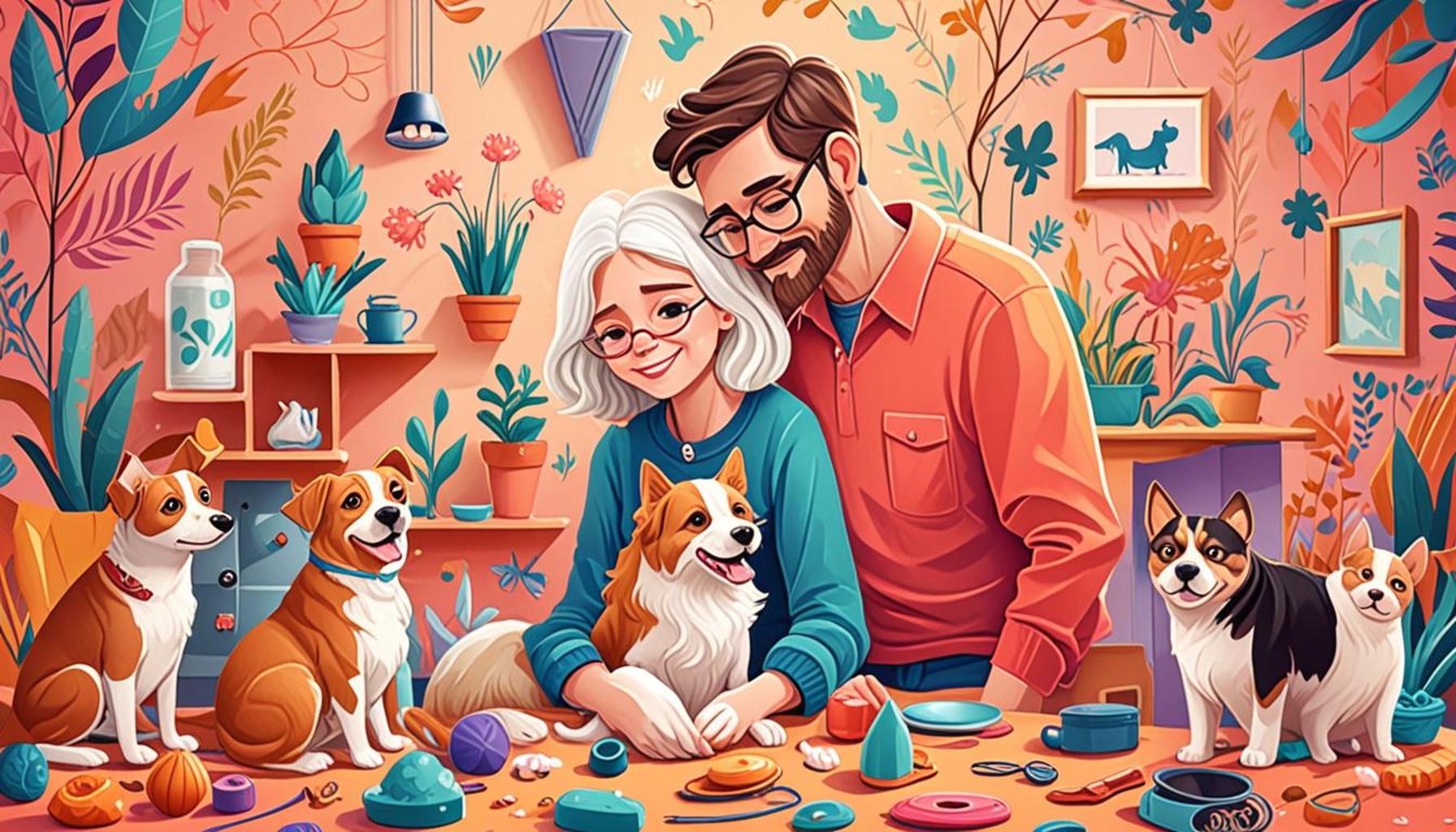
The Impact of Pet Presence on the Digestive Health of Their Owners
The Impact of Pet Companions on Your Gut Health
The presence of pets in a household goes beyond companionship; it may be a crucial factor in enhancing their owners’ digestive health. Recent research underscores the profound impact that having a furry friend can have on various aspects of well-being, particularly concerning digestive functions. Exploring this intriguing relationship reveals several key themes worth considering.
- Stress Reduction: One of the most striking benefits of pet ownership is their calming influence. Studies show that interaction with pets can reduce cortisol levels, a hormone associated with stress. High stress can trigger digestive issues like irritable bowel syndrome and acid reflux. For instance, a dog snuggling up next to you after a long day can create a comforting atmosphere, which may help relax your gut. The simple act of petting a cat or dog can produce endorphins that contribute to a feeling of peace, creating a far more conducive environment for your digestive system to function optimally.
- Physical Activity: Owning a dog, in particular, encourages regular physical activity, which plays a crucial role in maintaining gut health. Daily walks, playtime in the yard, or even agility training with your pet all contribute to a more active lifestyle. For example, studies indicate that individuals who engage in regular exercise have better gut microbiome profiles compared to sedentary individuals. The act of walking your dog not only benefits your overall fitness but also helps keep your digestive tract moving, thus promoting regular bowel movements.
- Microbiome Diversity: Recent research suggests that pet ownership may enrich the diversity of beneficial bacteria in the gut. According to a study published in the journal “Microbiome,” children who grow up in homes with pets, particularly dogs, may have a more diverse gut microbiome compared to those who don’t. This diversity is crucial for a robust immune system and can influence digestive health. When you interact with your pet, you are exposed to various microbes from their environment that can help bolster your own microbiome’s health.
These elements suggest a deeper biological link between pet ownership and digestive health. Indeed, research indicates that pet owners generally experience fewer digestive problems compared to non-pet owners. They tend to report fewer gastrointestinal issues, reinforcing the idea that pets may support gut health in multiple ways. Curious about how your beloved animal might be contributing to your gut health? Consider keeping a journal of your digestive health and your interactions with your pets to personalize your findings about this connection.
As we explore these facets, it’s vital to recognize that our furry companions enrich not only our emotional lives but also our physical health. The next time you find yourself playing with your pet or enjoying a peaceful moment together, remember that you are likely doing more than just enjoying their company; you are nurturing your gut health too. What a delightful reason to cherish your time spent with these loyal companions!
DISCOVER MORE: Click here to learn how your pet’s diet impacts your health
How Pets Can Transform Digestive Wellness
When it comes to enhancing digestive health, the role pets play in our lives is often underestimated. Numerous studies suggest that the companionship of animals, particularly dogs and cats, may provide an array of benefits that contribute positively to gut function. Delving into how pet ownership can impact digestive wellness reveals fascinating insights about our furry companions.

- Bonding and Social Interaction: The presence of pets fosters social connections and bonding that can alleviate feelings of loneliness and anxiety. For many, the unconditional love from a pet can significantly enhance mental well-being. Research indicates that positive social relationships can lead to improved health outcomes, including better digestive function. Engaging in activities with pets, such as feeding or grooming, can create a soothing atmosphere, thereby promoting better gut health.
- Mindfulness and Routine: Pets thrive on routine, and caring for them instills a sense of mindfulness in their owners. The daily responsibilities associated with pet ownership, such as feeding schedules and exercise routines, can encourage consistency in human lifestyle habits. This structured approach not only benefits the pet but also enables better meal timings and dietary habits for their owners, both of which are essential factors for a healthy digestive system.
- Immune System Enhancement: A healthy gut and a robust immune system are strongly interconnected. Pets encourage exposure to a variety of microbes, which may enhance the body’s immune response. According to some studies, individuals who frequently interact with their pets may experience a more resilient immune system, ultimately benefiting their digestive tract. The shared environment between pets and owners means that both gain an enriched microbial experience that can foster a harmonious gut microbiome.
These foundational aspects of pet ownership highlight a compelling link between pet presence and digestive health. The lifestyle changes associated with pet care can lead to a more balanced gut, resulting in fewer digestive complaints among pet owners. Interestingly, many pet owners report feeling significantly less bloated and have regular bowel movements, supporting the notion that the companionship of pets is not just emotionally beneficial but also advantageous for our digestive systems.
As we continue to explore this relationship, it’s crucial to consider the profound impact pets have on our daily lives—not just from a stance of emotional support but also in promoting overall physical health. The next time you find yourself sharing a quiet moment with your pet, reflect on how their presence could be nurturing your gut health, too. Indeed, the bond we share with our furry friends extends into more enriching realms than we often realize.
The Impact of Pet Presence on the Digestive Health of Their Owners
The presence of pets, especially dogs and cats, can have a profound influence on their owners’ digestive health. Various studies have pointed out that pet ownership is associated with lower levels of stress, which is crucial for maintaining a healthy digestive system. Stress has been linked to numerous digestive issues, including irritable bowel syndrome (IBS) and gastrointestinal reflux. When owners engage with their pets, they often experience laughter and joy, both of which stimulate the production of beneficial gut bacteria.
Furthermore, pets encourage their owners to lead a more active lifestyle. Regular walks and playtime not only foster physical activity but also promote regular bowel movements, aiding in the prevention of constipation and other related digestive disorders. This physical engagement, combined with the emotional bond of pet ownership, contributes to an overall improvement in digestive health.
Interestingly, research suggests that interaction with pets may boost the immune system. A stronger immune system plays a significant role in preventing gastrointestinal infections, which can severely impact digestive health. With a lower risk of such infections, pet owners tend to enjoy a more stable and healthy digestion.
In addition to these benefits, the furry companions often bring a sense of routine into their owners’ lives, creating regular eating habits that are beneficial for digestive processes. Establishing consistent meal times results in the body’s ability to anticipate food intake, optimizing digestion.
| Category | Details |
|---|---|
| Stress Reduction | Pet ownership can lower stress levels, benefiting digestive health. |
| Increased Physical Activity | Regular walks and playtime promote healthy digestion and bowel movements. |
Ultimately, integrating pets into our lives provides not just companionship but also tangible health benefits, particularly in terms of digestive wellness. Exploring these connections in greater depth reveals a holistic approach to health that many pet owners may not fully appreciate.
LEARN MORE: Click here to discover the importance of balanced nutrition for your pets
The Connection Between Pet Ownership and Dietary Choices
The influence of pets extends beyond emotional support and lifestyle routines; it profoundly affects dietary choices made by their owners, which, in turn, impacts digestive health. People who own pets often report being more conscious about their nutrition, and various factors contribute to this heightened awareness. Understanding these connections can illuminate how the mere presence of pets encourages healthier eating habits that promote digestive wellness.
- Active Lifestyle and Outdoor Activities: Dog owners, in particular, engage in regular exercise since dogs require daily walks and playtime. This increased physical activity is directly linked to healthier lifestyles, generally leading to better dietary choices. Burning calories through exercise often accompanies a more mindful approach to food intake, which can result in improved digestion and better nutrient absorption.
- Practical Meal Prep and Portion Control: Those who share their lives with pets frequently find themselves planning meals and snacks around their furry companions’ needs. This necessity can lead to improved meal planning and portion control. For instance, the time taken to prepare nutritious meals for a pet can inspire owners to cook healthier meals for themselves, ultimately supporting digestive health through balanced diets rich in fiber and probiotics.
- Cognitive and Emotional Connections to Food: The simple act of sharing meals with a pet can enhance the dining experience. Research indicates that the presence of pets can reduce stress during mealtime. Many people experience relaxation while their pets beg for scraps or sit pensively beside them. This relaxing atmosphere may lead to slower eating and improved digestion, as studies suggest that stress reduction is closely linked to gastrointestinal function and comfort.
Furthermore, the responsibilities associated with pet ownership often drive pet owners towards healthier food options. Striving to provide optimal nutrition for pets can inherently teach owners about balanced diets, which promotes healthier eating routines—ultimately benefiting their digestive health. The educational aspect of caring for animals translates well into human diets, as owners will often seek out high-quality and easily digestible foods both for their pets and themselves.
Another compelling factor is the notion of a shared microbiome. Research highlights that living with pets can enrich a person’s gut flora because of the microbiological diversity pets introduce into the home. The exposure to diverse bacteria from pet fur, saliva, and waste may enhance an owner’s gut health while supporting better digestion directly. This unique microbiome interaction fosters a balanced gut environment, which is crucial in preventing digestive disorders.
As pet owners navigate their health journey—from mindful eating to improved gut functionality—understanding these varied connections can reveal the often-overlooked impacts of pet presence on overall digestive health. Pets, with their joyful antics and cuddly companionship, do more than fill our hearts; they inspire healthier choices that resonate throughout every aspect of our well-being.
DISCOVER MORE: Click here to learn about smart use of nutritional supplements for your pets
Conclusion: Embracing the Benefits of Pet Presence for Digestive Health
In examining the multifaceted ways that pet ownership influences digestive health, it becomes evident that these beloved companions offer more than mere companionship; they play a crucial role in shaping healthier lifestyle choices and enhancing overall well-being. The correlation between pet presence and improved digestive health encompasses various factors, including the promotion of an active lifestyle, better meal planning, and emotional stability during mealtime.
As highlighted, the active lifestyle of pet owners—especially dog owners—is instrumental in fostering regular exercise and maintaining conscientious dietary habits. This physical activity naturally lends itself to a greater awareness of nutrition, which supports enhanced digestion and nutrient absorption. Moreover, the responsibility of caring for pets often leads owners to adopt healthier eating practices and explore high-quality food options, benefiting not just their pets but their own health as well.
Additionally, the concept of a shared microbiome introduces another layer of complexity to this relationship. The diverse microorganisms brought into homes by pets may serve to enrich an owner’s gut health, thus contributing to a more balanced digestive system. This unique ecological interaction has the potential to reduce the risk of digestive disorders and improve overall gastrointestinal function.
Ultimately, the presence of pets serves as a profound motivator for healthier living, intertwining our emotional well-being with physical health. By appreciating the impact of our furry friends on our digestive systems, we can be inspired to continue nurturing these relationships while simultaneously enhancing our quality of life. As this research underscores, investing in our pets can offer transformative benefits that extend far into our health, particularly when it comes to maintaining a vibrant digestive system.