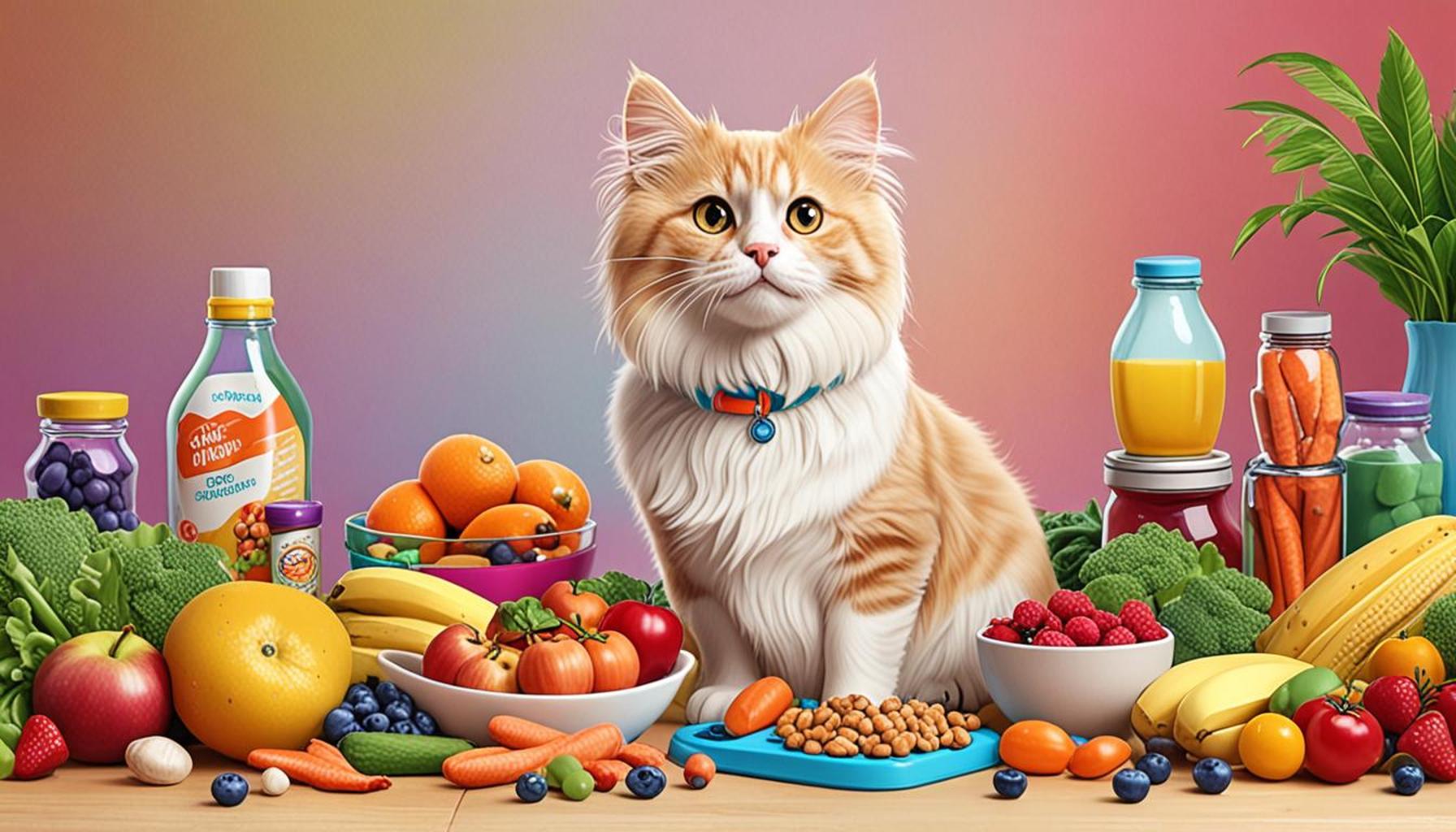
Balanced Nutrition for Pets Essential for Pet Health Wellbeing

When it comes to the well-being of our furry companions, the link between their diet and health is undeniable. Balanced nutrition plays a crucial role in preventing disease and promoting longevity in pets. Understanding this connection can help pet owners make informed dietary choices that benefit their beloved animals.
As our pets age, their nutrition needs change, making it essential to stay updated on the best practices for their diet. Here are some key factors to consider:
- Age-specific nutrition – Puppies and kittens require different nutrients compared to adult or senior pets.
- Allergies and sensitivities – Identifying dietary restrictions can prevent health issues.
- Breed-specific needs – Different breeds may have varying nutritional requirements.
In this article, we will explore the importance of a balanced diet and reveal the Top 5 essential nutritional components for your pets. By understanding these elements, you can help ensure a healthy, happy life for your four-legged friends.
Top 5 Reasons Why Balanced Nutrition is Vital for Pet Health
Ensuring your pets have a well-rounded diet is crucial for their overall health and well-being. Similar to humans, pets thrive on adequate nutrition that supports their body functions, energy levels, and longevity. In this article, we delve into the top five reasons why balanced nutrition should be a priority for pet owners.
5. Maintains a Healthy Weight
One of the most significant benefits of balanced nutrition is its role in maintaining a healthy weight. Obesity is an increasingly common problem among pets, leading to various health complications. Proper nutrition allows pets to achieve and maintain their ideal body weight, which is key for preventing obesity-related conditions like diabetes, joint problems, and heart disease.

Practical Steps for Weight Management
To achieve a healthy weight, pet owners should consider the following:
- Portion control: Serving the correct amount of food based on your pet’s specific needs, considering their size, age, and activity levels. Consulting with a veterinarian can provide guidance on the appropriate portions.
- Avoiding table scraps: Resist the temptation to feed pets human food that is high in calories and fats. Consistent feeding of table scraps can lead to an unbalanced diet.
- Regular exercise: Incorporating physical activity into your pet’s daily routine is crucial in addition to a balanced diet. Activities such as walks, playtime, or training sessions contribute to calorie expenditure.
By focusing on proper nutrition, pet owners can help their pets maintain a healthy weight and higher quality of life, reducing the risk of potential illnesses.
4. Boosts Immune System Function
A well-balanced diet is essential for a robust immune system in pets. Similar to humans, pets require a variety of nutrients—including vitamins, minerals, and antioxidants—to support their immune defenses. Nutritional deficiencies can leave pets vulnerable to infections and diseases.
Nutrients for Immune Health
Key nutrients that play a vital role in immune function include:
- Omega-3 fatty acids: Found in fish oil and certain plant oils, these support a healthy immune response and help combat inflammation.
- Vitamins A, C, and E: These vitamins have antioxidant properties that help combat oxidative stress and inflammation, protecting cells from damage.
- Zinc and Selenium: Essential minerals that contribute to wound healing and immune cell function, promoting overall immune health.
By providing a balanced diet rich in these nutrients, pet owners can reinforce their furry friends’ defenses and help them effectively ward off illnesses.
3. Supports Healthy Skin and Coat
A balanced diet significantly contributes to the health of your pet’s skin and coat. Nutrients such as fatty acids, protein, and certain vitamins play a pivotal role in keeping fur shiny and skin free from issues like dryness or irritation. Pets lacking proper nutrition may suffer from dull coats or worse, skin problems like dermatitis.
Components of a Healthy Coat
To keep skin and coat healthy, consider including the following in your pet’s diet:
- High-quality protein: Essential for cell repair and regeneration, which is fundamental to maintaining strong hair follicles.
- Fatty acids: Particularly omega-6 and omega-3, which help maintain the skin’s moisture barrier, preventing dryness and flakiness.
- Vitamins: B vitamins, in particular, are crucial as they promote natural and shiny fur growth, contributing to the outward appearance and the quality of your pet’s coat.
A nutritious diet is not only visually attractive for your pet but also essential for their comfort and health, preventing dermatological issues.
2. Enhances Energy Levels and Vitality
Proper nutrition is pivotal for boosting energy levels and vitality in pets. Dogs, cats, and other pets require a mix of carbohydrates, fats, and proteins for energy. Nutritionally balanced meals enable pets to thrive, engaging in playful behavior and physical activities effortlessly.
Energy-Boosting Nutrients
When planning your pet’s meals, keep in mind:
- Carbohydrates: Provide immediate energy through sources like grains and vegetables, fueling both physical and mental activities.
- Fats: Serve as a concentrated energy source, also vital for brain development and the absorption of fat-soluble vitamins.
- Proteins: Support muscle development and repair after exercise, critical in maintaining a pet’s strength and vitality.
With a balanced diet, pets will enjoy increased stamina and overall well-being, leading to a more lively, happier life and a readiness for active engagement.
1. Promotes Longevity and Quality of Life
The utmost importance of balanced nutrition for pets is its direct correlation to longevity and quality of life. Similar to humans, the right diet contributes to lifelong health, reducing the likelihood of developing chronic diseases. A well-formulated diet promotes healthy aging and helps pets remain active and healthy in their later years.
The Benefits of a Long Life
Incorporating a balanced nutritional plan can result in:
- A decrease in veterinary visits related to diet-induced health issues: Prevention through proper nutrition reduces ailments that often require professional care.
- Improved mental acuity: Nutrients essential for brain health help maintain cognitive functions, keeping pets sharp even as they age.
- Better mobility and joint health: Aiding in maintaining muscle mass and reducing the risk of arthritis and similar conditions.
Ultimately, a balanced diet lays the foundation for a long and fulfilling life for your beloved companions, ensuring every day is filled with joy and vitality.
| Category | Details |
|---|---|
| Nutrient Balance | A balanced diet ensures that pets receive essential nutrients required for their overall health, including proteins, fats, vitamins, and minerals. |
| Weight Management | Proper nutrition prevails in maintaining a healthy weight, which can significantly reduce the risk of chronic illnesses such as diabetes and joint problems in pets. |
| Digestive Health | A diet rich in fiber can promote optimal digestive health, preventing issues such as constipation and ensuring better nutrient absorption. |
| Enhancing Lifespan | Studies indicate that a well-balanced diet contributes to extending the lifespan of pets, ensuring they have a healthier and happier life. |
Nutrient balance is critical in the dietary management of pets. A comprehensive understanding of what constitutes a proper food source can ensure that pets flourish. Pet owners must pay attention to nutrition labels, choosing foods that list whole ingredients and avoiding fillers. This meticulousness can lead to better health outcomes and minimize veterinary expenses in the long run.Weight management is often overlooked but is crucial for pet well-being. Overweight pets are predisposed to various health conditions, including heart disease, osteoarthritis, and certain cancers. By maintaining an appropriate caloric intake and physical activity, weight can be managed, leading to a happier and more active pet.Digestive health plays a significant role in how well a pet absorbs and utilizes the nutrients provided. A diet high in quality fibers can facilitate better digestion and reduce the frequency of gastrointestinal disorders. It’s important for pet owners to be aware of their pet’s dietary habits, as changes can often signal underlying health concerns.Lastly, numerous studies reveal a strong correlation between a nutritious diet and the lifespan of pets. Pets that receive a balanced diet are likely to avoid common ailments, leading to a longer and healthier life filled with vitality. Understanding these aspects of nutrition can empower pet owners to make informed decisions that significantly impact their pets’ lives.
Frequently Asked Questions About Balanced Nutrition for Pets
Why is balanced nutrition vital for my pet’s health?
Balanced nutrition is the cornerstone of a pet’s overall health. Just like humans, pets require a mix of proteins, fats, carbohydrates, vitamins, and minerals to thrive. A well-balanced diet ensures that they have the energy to play, grow, and maintain healthy bodily functions. An imbalance in nutrition can lead to obesity, malnutrition, and a host of other health issues.
What are the essential nutrients my pet needs?
Pets need a range of nutrients including proteins from meat, fish, or eggs, which are crucial for tissue repair. Fats provide energy and help develop healthy skin and coats, while carbohydrates offer an additional energy source. Vitamins and minerals, though needed in smaller quantities, are vital for bone health, nerve function, and much more. Consulting a vet can provide insights tailored to your pet’s specific dietary needs.
How can I identify if my pet isn’t receiving adequate nutrition?
Signs of nutritional deficiencies can manifest in various ways, such as dull coats, excessive shedding, lethargy, weight loss, or even behavioral changes. Regular vet check-ups are crucial to catch any nutritional imbalances early. Observing your pet’s habits and physical appearance can also be an indicator of their nutritional health.
Are there specific dietary needs for different breeds or life stages?
Yes, dietary needs vary significantly based on a pet’s breed, age, weight, and health condition. Puppies and kittens, for example, may require diets rich in calcium and protein to support growth, while older pets might need fewer calories to prevent obesity. Breed-specific diets can also address unique health predispositions, such as joint issues in larger breeds or urinary tract concerns in certain cats.
Is it safe to prepare homemade meals for my pet?
While homemade meals can be appealing, ensuring they meet all of your pet’s nutritional requirements can be challenging. Pets have different dietary needs compared to humans, and a lack of specific nutrients can lead to health problems. It’s advisable to consult with a veterinarian or a pet nutritionist before making any major dietary changes. They can help you formulate a balanced diet plan that suits your pet’s needs.
Conclusion
The significance of a balanced diet for pets cannot be overstated. A thorough exploration of the topic reveals that ensuring our pets receive the right mix of nutrients is paramount to their overall health and well-being. By considering essential nutrients, such as proteins, fats, vitamins, and minerals, we provide our pets with the foundational elements they need to thrive.
One of the key takeaways from this discussion is the role of portion control and the need to avoid overfeeding. Like humans, pets benefit greatly from a diet that is not only nutritious but also controlled in terms of quantity, helping them maintain a healthy weight and avoid obesity-related issues.
Another crucial point is the importance of quality over quantity. Pet owners should focus on obtaining high-quality food options that meet specific dietary needs, rather than just filling the pet’s bowl with any available food. This consideration is especially important for pets with special dietary requirements or health conditions.
Moreover, it’s essential to emphasize the value of consulting with veterinarians to tailor nutritional plans that suit the individual needs of each pet. Veterinarians can offer insights into dietary supplements or specific foods that can address unique health challenges.
Ultimately, a balanced nutrition plan can lengthen the lifespan of our pets while ensuring they lead healthy, active lives. As responsible caregivers, it is our duty to stay informed and proactive about our pets’ nutritional needs, paving the way for a future of better pet health and happiness.
By recognizing the intricacies of pet nutrition, we step closer to unlocking our pets’ potential for a long and healthy life, prompting further investigation into developing dietary plans that align with their evolving needs.