Balanced Nutritions Crucial Role in Pet Health Dogs Cats
Making Sense of Pet Nutrition
Ensuring that our furry companions receive a balanced diet is crucial for their overall health and well-being. Just like humans, dogs and cats rely on the right combination of nutrients to maintain their energy levels, support growth, and bolster their immune systems. The significance of proper nutrition for pets cannot be overstated, as it directly impacts their longevity and quality of life.
Understanding Nutritional Needs
Every pet has unique dietary requirements based on factors such as age, breed, and health conditions. A well-rounded diet can help prevent various health issues, including obesity, diabetes, and heart disease. Pet owners must be informed about:
- The essential components of a nutritionally complete diet.
- Signs of nutritional deficiencies and how to address them.
- The role of specific vitamins and minerals in your pet’s daily regimen.
What’s Next?
In this article, we will explore the top 5 factors that highlight the importance of balanced nutrition for dogs and cats. Understanding these elements will empower pet owners to make informed dietary choices and enhance their pets’ health. Let’s dive deeper into the fascinating world of pet nutrition!
Top 5 Reasons Why Balanced Nutrition is Essential for the Health of Dogs and Cats
In today’s pet care landscape, the emphasis on balanced nutrition for our furry companions has reached new heights. Nutrition acts as the cornerstone of health and well-being in dogs and cats, impacting their longevity, vitality, and overall quality of life. With a myriad of pet food options available, understanding the core benefits of balanced nutrition becomes crucial for pet owners. Here, we present a ranked list highlighting the importance of balanced nutrition tailored to the unique needs of canines and felines.
5. Prevention of Obesity
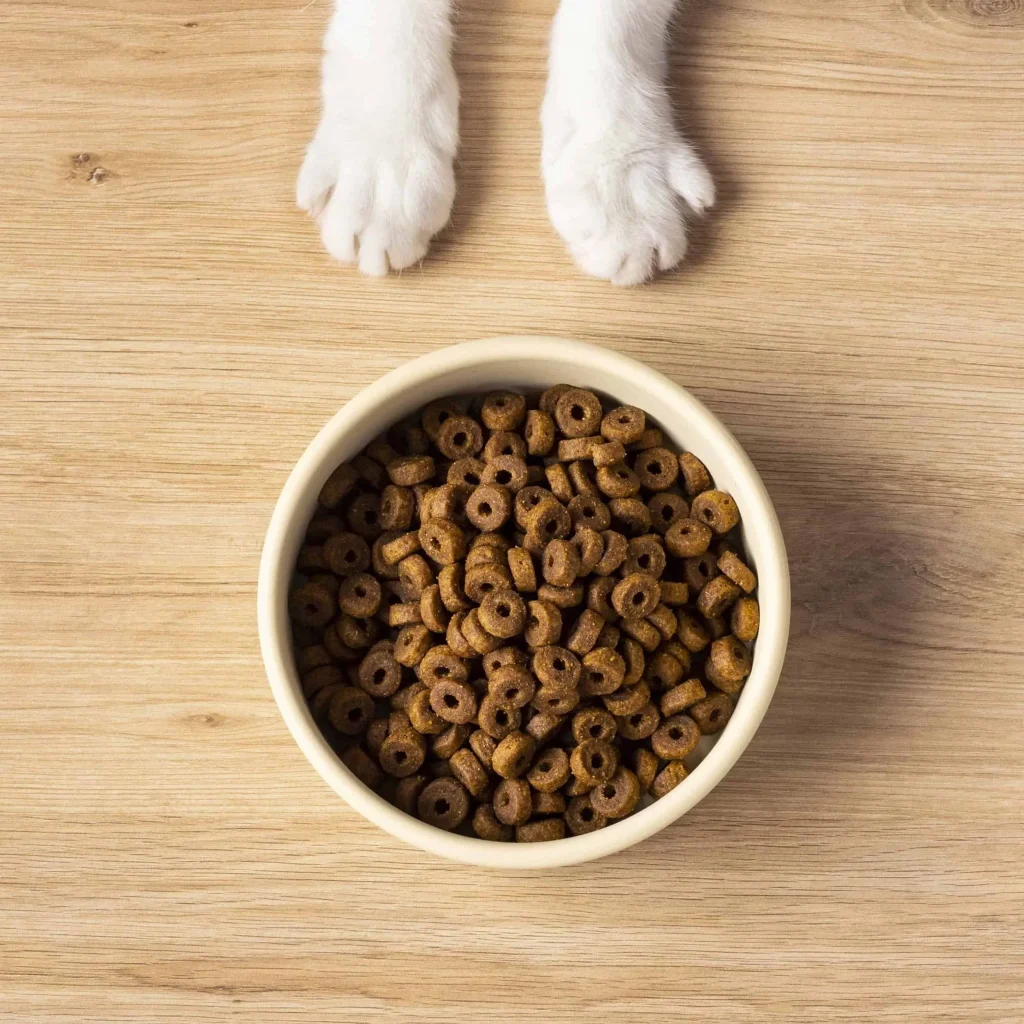
Obesity is a growing concern in the pet community, closely mirroring trends in human populations, and one of the major contributing factors is unbalanced nutrition. With an abundance of pet food choices, it is crucial for pet owners to choose options that cater specifically to their pet’s needs. Many commercially available pet foods are calorie-dense and nutrient-poor, leading to unintended overfeeding and subsequent weight gain when not carefully portioned.
Facts to Consider:
- About 55% of dogs and 60% of cats are classified as overweight or obese in numerous veterinary surveys.
- Obesity significantly increases the risk of developing health issues such as diabetes, joint problems, and heart disease.
The importance of managing caloric intake cannot be overstated. Educating ourselves about proper portion sizes, nutritional content, and the ideal feeding rituals can aid in preventing obesity. Regular exercise, along with balanced nutrition, ensures pets maintain a healthy weight, reducing the likelihood of associated health issues. Monitoring weight and adjusting food intake and exercise accordingly are essential strategies for keeping pets healthier and more active throughout their lives.
4. Digestive Health Improvement
A balanced diet not only nourishes pets but plays a crucial role in promoting a healthy digestive system. Dogs and cats have distinct digestive needs that, if unmet, can lead to uncomfortable and potentially serious digestive issues. The right balance of fibers, proteins, and grains can significantly affect their digestion, influencing everything from stool quality to nutrient absorption.
Benefits of Good Digestive Health:
- Reduction of gastrointestinal issues such as vomiting, diarrhea, and constipation.
- Improved absorption of essential nutrients, leading to better overall health.
- Improved energy levels, mood, and well-being.
A diet rich in high-quality ingredients, such as natural fibers and probiotics, supports the gut’s beneficial bacteria, aiding in better digestion and nutrient absorption. Regular colon health checks and observing changes in stool consistency can be indicators of digestive health, providing insights into dietary adjustments. Investing in foods designed specifically with digestive health in mind results in an active and happy pet, free of frequent tummy troubles, ensuring they feel their best all day long.
3. Healthy Skin and Coat
The health of your pet’s skin and coat is often a direct reflection of their diet. An animal’s coat can be seen as a barometer for overall health, with a shiny, thick, and lush coat indicating adequate nutritional health. Essential fatty acids, vitamins, and minerals play vital roles in promoting a shiny, vibrant coat and healthy skin.
Key Nutrients for Skin and Coat Health:
- Omega-3 and Omega-6 fatty acids, which provide hydration and contribute to a glossy coat.
- Vitamins A and E, important for promoting skin elasticity and moisture retention.
- Zinc and biotin, which strengthen hair follicles and enhance growth.
Many skin and coat problems in pets, such as dryness, flakiness, excessive shedding, and even itching, can often be traced back to dietary deficiencies. Pet owners can observe the visible difference in pets whose diets are supplemented appropriately with these nutrients. Regular grooming, combined with a diet encompassing skin-friendly nutrients, translates to happier and more comfortable pets, free from skin irritations and capable of playing and exploring without discomfort.
2. Strengthening the Immune System
A well-balanced diet fortified with the right vitamins, minerals, and antioxidants can fortify a pet’s immune system, enhancing their ability to fend off illnesses. A robust immune system is essential for fighting infections, recovering from injuries, and preventing diseases.
How Balanced Nutrition Supports Immunity:
- Essential vitamins such as Vitamin C, Vitamin E, and Beta-carotene enhance immune response and cellular repair.
- A high-quality protein source assists in the production of antibodies and repair cells.
The inclusion of antioxidants in a pet’s diet helps combat oxidative stress, reducing the risk of chronic illness and infections. Pet owners providing nutrient-rich meals loaded with the necessary micronutrients ensure that their companions thrive with robust immunity, capable of dealing with environmental stresses and exposure to pathogens.
1. Enhanced Longevity and Quality of Life
At the top of our list is the ultimate benefit of balanced nutrition: improved longevity and quality of life. A well-nourished pet not only lives longer but experiences a richer, fuller life. Those who receive optimal nutrition exhibit better physical health, behavior, and vitality, showing resilience to common health challenges.
Why Does This Matter?
- Pets with balanced diets are less prone to chronic health issues such as arthritis, heart disease, and metabolic disorders as they age.
- A nutritious diet can contribute to reduced veterinary bills over time by preventing diseases rather than treating them.
- Healthy pets are happier, which nurtures strong bonds between pets and their owners, enhancing the relationship and mutual enjoyment of shared lives.
Prioritizing balanced nutrition is a proactive approach that not only promotes vitality today but also lays the groundwork for a brighter, healthier tomorrow. By understanding and acting on these essential components, pet owners can significantly influence their companions’ health, ensuring not just a longer life but also a joyful one. Ensuring pets are nourished with scientifically-formulated diets tailored to their breed, size, and life stage is a small yet impactful step towards a better life for our beloved dogs and cats.
In conclusion, the importance of balanced nutrition in dogs and cats cannot be overstated. Recognizing and implementing these nutritional insights facilitates an enhanced lifestyle for pets, rewarding owners with healthier and more engaged companions. As such, pet care enthusiasts and providers encourage ongoing learning and adaptation to new nutritional research, emphasizing a commitment that every pet deserves nothing less than optimal health and happiness.
| Category | Key Features and Benefits |
|---|---|
| Weight Management | Maintaining a balanced diet helps prevent obesity in pets. Obesity is linked to various health issues, including diabetes, joint problems, and heart diseases. |
| Immune Support | A diet rich in essential vitamins and minerals boosts the immune system, helping dogs and cats fend off illnesses and infections effectively. |
| Enhanced Coat Condition | Nutrients like omega fatty acids play a crucial role in achieving a shiny and healthy coat. A well-nourished coat often translates to overall health and lower allergy risks. |
| Digestive Health | High-quality fibers in a balanced diet promote better digestion. This results in reduced gastrointestinal discomfort and contributes to a more efficient nutrient absorption. |
In exploring the importance of balanced nutrition for dogs and cats, weight management emerges as a critical concern. Animals today face a higher risk of obesity than in the past, leading to alarming rates of associated health conditions, which pet owners must take into account when choosing food for their companions.An often underappreciated aspect of a pet’s diet is its role in immune support. Nutritional balance significantly affects how robust the immune system is, determining how effectively pets can resist illnesses. Too often, pets are fed low-quality foods that lack essential nutrients, making them vulnerable to disease, a problem that is increasingly preventable through informed dietary choices.Moreover, the aesthetic of a pet’s coat is frequently indicative of its overall health. Numerous pet owners may not realize that the right mix of nutrients, particularly omega fatty acids, can yield dramatic improvements in coat quality, making it shinier and healthier. A vibrant coat not only provides a pleasing appearance but also signifies the pet’s internal well-being.Finally, digestive health should be a primary concern when assessing pet nutrition. High-quality diets enriched with the right fibers can prevent various gastrointestinal troubles, ensuring pets absorb nutrients correctly. The importance of digestive efficiency cannot be overstated, as it directly impacts not only growth and energy levels but also enhances the pet’s quality of life.Understanding these crucial aspects of balanced nutrition can empower pet owners to make better informed choices for their furry friends, ultimately contributing to longer, happier lives.
Frequently Asked Questions about Balanced Nutrition for Cats and Dogs
What is a balanced diet for dogs and cats?
A balanced diet for dogs and cats is one that provides all the essential nutrients in the right proportions to maintain optimal health. This includes proteins, carbohydrates, fats, vitamins, and minerals. Protein is a key component as it supports muscle development and overall growth. Cats, being obligate carnivores, require higher protein levels, while dogs, being omnivores, can digest a variety of foods.
How can I determine if my pet’s diet is nutritionally complete?
To ensure your pet’s diet is nutritionally complete, look for commercial pet foods labeled as “complete and balanced,” which meet standards set by regulatory bodies such as AAFCO (Association of American Feed Control Officials). Consulting with a veterinarian is crucial, as they can assess your pet’s specific needs and recommend suitable options. Homemade diets should be closely monitored and ideally formulated with a nutritionist to prevent deficiencies.
Are there any signs that indicate nutritional imbalance in pets?
Yes, there are several signs of nutritional imbalance. Weight loss, dull coat, and lethargy may signal a deficiency or excess in nutrients. Other symptoms include digestive issues, such as diarrhea or constipation, and behavioral changes like aggression or anxiety. Regular veterinary check-ups are important to detect and address these issues early.
Can special diets help manage health issues in pets?
Indeed, special diets can play a significant role in managing various health conditions in pets. For instance, diets low in phosphorus and high in omega-3 fatty acids can aid pets with kidney disease, while high-fiber diets assist with diabetes management. It’s important to remember that therapeutic diets should only be administered under veterinary supervision to ensure they address the specific needs of the pet.
Conclusion
In summary, embracing a balanced nutrition plan is crucial to ensuring the health and longevity of our beloved dogs and cats. Through this exploration of dietary needs, we have highlighted key elements that pet owners should be cognizant of. A diet that includes the right mix of proteins, carbohydrates, fats, vitamins, and minerals is paramount.
Firstly, understanding that proteins play a vital role in the development and maintenance of healthy muscles and tissues is fundamental. Secondly, the appropriate intake of carbohydrates and fats provides essential energy and supports various bodily functions. Neglecting these nutrients could lead to obesity or malnourishment, posing significant health risks. Furthermore, the importance of vitamins and minerals cannot be overstated; they bolster the immune system and promote a robust skeletal structure, keeping our pets active and healthy.
Additionally, portion control remains a key component of balanced feeding. Overfeeding or underfeeding can lead to serious health concerns such as obesity, diabetes, or malnutrition. Monitoring portion sizes and being attentive to the specific dietary needs of various breeds and ages is therefore essential.
Finally, the awareness and education surrounding pet nutrition can significantly impact the well-being of our furry friends. Pet owners are encouraged to seek out professional guidance from veterinarians to tailor diet plans according to individual needs. By doing so, they contribute not only to the immediate health benefits for their pets but also to a prolonged and joyous life together. The journey towards better nutrition is one of understanding and care, and it begins with informed choices that will positively affect the lives of our animal companions.