Menu

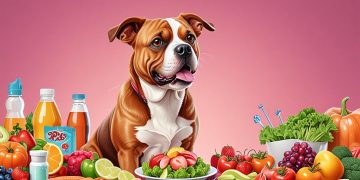
How Diet Affects the Health of Specific Breeds of Pets

Understanding the nutritional needs of specific pet breeds is vital for enhancing their health and longevity. Tailoring diets to address breed-specific health concerns, metabolic rates, and sensitivities can prevent diseases and promote overall well-being, ensuring that pets thrive throughout their lives.

How to Choose the Ideal Breed According to Family Age and Lifestyle

Choosing the right dog breed involves considering family age, lifestyle, and living environment. Families with young children may prefer friendly, playful breeds, while older adults might opt for calmer companions. Active households benefit from energetic breeds, while space constraints can determine size suitability. Understanding these factors fosters a harmonious pet integration.

The Importance of Genetics in Dog Breed Health

Genetics significantly influences dog breed health, impacting traits, longevity, and predispositions to diseases. Understanding these genetic factors aids responsible breeding, fosters informed ownership, and enhances canine well-being. Emphasizing genetic diversity and health-focused practices can lead to healthier, happier dogs and a more vibrant dog community.

Working Dog Breeds: Skills and Specific Training

Explore the vital roles of working dog breeds, recognized for their exceptional skills in search and rescue, protection, herding, and assistance tasks. Discover the importance of specialized training techniques, including positive reinforcement and socialization, in developing these loyal companions into indispensable partners in society.

Hybrid Breeds: Advantages and Disadvantages in Pet Adoption

Hybrid breeds are gaining popularity in pet adoption, offering unique traits and potential health benefits. However, potential adopters must weigh advantages like genetic diversity against disadvantages such as unpredictable behaviors and grooming needs. Understanding both sides ensures informed decisions for a harmonious pet ownership experience.

The History of Cat Breeds: From Hunters to Companions

Explore the captivating history of cat breeds, tracing their evolution from wild hunters to beloved companions. Discover how domestication began over 9,000 years ago, the emergence of distinct breeds shaped by culture and geography, and the deepening bond between cats and humans in modern society.

Cat Breeds and Their Unique Personality Traits

Discover the diverse world of cat breeds and their unique personality traits. This guide helps prospective cat owners understand each breed's characteristics, from the affectionate Siamese to the laid-back Persian. Knowing these traits ensures a better fit for your lifestyle and enriches your bond with your feline companion.

Characteristics of Cat Breeds that Make Them Ideal Companions for Seniors

This article highlights the characteristics of cat breeds that make them ideal companions for seniors, emphasizing their gentle temperament, low maintenance needs, and affectionate behavior. It explores how specific breeds enhance emotional well-being, reduce loneliness, and promote an active lifestyle, making feline friends invaluable for older adults.

Dismantling Myths About High-Energy Dog Breeds

High-energy dog breeds are often misunderstood, leading to myths about their exercise needs, suitability for families, and training challenges. This article highlights the truth behind their requirements, showcasing the benefits of these spirited companions and encouraging responsible ownership through mental stimulation, socialization, and structured routines for a fulfilling relationship.

The Importance of Early Socialization in Different Breeds of Dogs

Early socialization is crucial for developing well-behaved dogs, as it influences their behavior and temperament. Understanding breed characteristics enhances socialization strategies, preventing issues like fearfulness and aggression. Proper exposure during critical early months fosters adaptability, ensuring a harmonious companionship for both dogs and their owners.