
Dog Breeds and Their Specific Exercise and Mental Stimulation Needs

Understanding the Needs of Different Dog Breeds
Every dog is unique, not just in appearance but also in their exercise and mental stimulation needs. These factors are crucial for a dog’s overall health and happiness. Just as humans have different fitness levels and hobbies that keep them engaged, dogs also exhibit a range of preferences and requirements that shape their daily lives. A clear understanding of these needs allows dog owners to create an environment that nurtures their furry companions.
- High-Energy Breeds: Breeds like Border Collies and Siberian Huskies are renowned for their relentless energy levels. Border Collies, often regarded as the most intelligent dog breed, require not just physical exercise but also mental challenges to stay balanced. Activities like agility training, frisbee play, or long runs can effectively meet their need for stimulation. Similarly, Siberian Huskies, originally bred for sledding, thrive on outdoor adventures and can become destructive if not adequately exercised.
- Low-Energy Breeds: On the flip side, there are breeds like Bulldogs or Shih Tzus that are more suited to a sedentary lifestyle. Bulldogs enjoy short walks and plenty of lounging time, while Shih Tzus, despite their playful nature, are not overly demanding in terms of exercise. However, even lower-energy breeds benefit from moderate physical activity and mental engagement to prevent obesity and support their mental health.
- Mental Stimulation: Dogs like the Poodle or Beagle are known for their intelligence and require engaging activities to keep their minds sharp. Poodles, for instance, excel in obedience training and puzzle-solving games, while Beagles, with their strong sense of smell, enjoy scent-based games and treasure hunts. These interactive challenges help cultivate a strong bond with their owners, ensuring their mental and emotional well-being.
When selecting a canine companion, recognizing these specific breed-related needs is essential for a harmonious relationship. A well-exercised dog is generally a well-behaved dog, and this contributes significantly to a peaceful coexistence between pet and owner. Moreover, meeting mental challenges is vital in preventing behavioral problems often stemming from boredom or under-stimulation.
As owners adapt their lifestyles to meet their dogs’ demands, they unlock the potential for a fulfilling life together. It is advisable to explore the distinct requirements of various breeds through research and community engagement. Numerous resources are available, including local dog training classes and breed-specific forums, that can guide owners in providing an enriching environment. This proactive approach not only enhances the everyday experience of owning a dog but also promotes lasting physical fitness and mental engagement for both pets and their families.
DISCOVER MORE: Click here to learn how your pet’s diet impacts your well-being
Tailoring Exercise and Mental Engagement for Your Dog
The exercise and mental stimulation needs of different dog breeds can strongly influence their behavior, health, and happiness. Understanding the specific demands of each breed allows dog owners to provide appropriate care, ensuring their pets thrive physically and mentally. Tailoring activities not only improves a dog’s well-being but also enhances the bond between the dog and its owner. Below, we delve into various categories of dog breeds, focusing on their unique requirements.
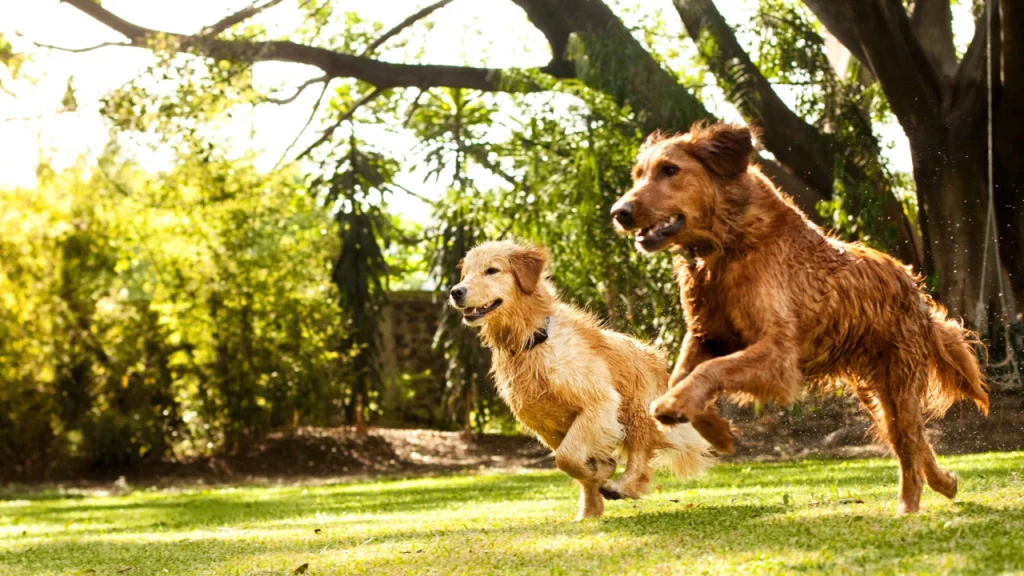
Active Breeds and Their Needs
Active breeds, such as German Shepherds and Labrador Retrievers, require ample physical and mental tasks to stay content. German Shepherds, often utilized in search and rescue, police work, and service roles, thrive on structured workouts and mental challenges. Regular long walks, structured play sessions, and task-oriented activities, like obedience training or scent work, are essential. Labrador Retrievers, known for their friendly demeanor, also require a mix of cardio and mental engagement.
- Daily Exercise: Aim for at least 60 minutes of activity.
- Mental Challenges: Engage them with training sessions and puzzle toys.
Another breed that exemplifies high energy is the Dalmatian. These dogs were historically bred for running alongside horse-drawn carriages, making them well-suited for endurance activities. Regular jogging sessions, interactive games of fetch, or trips to dog parks can keep them stimulated. It’s interesting to note that Dalmatians also excel in various dog sports, showcasing their versatility.
Moderate Energy Breeds
Some breeds, like the Bulldog and Cocker Spaniel, find a middle ground in energy levels. Bulldogs typically do not require extensive exercise; however, they do need daily strolls to remain healthy. Short yet frequent walks can maintain their weight and ensure they stay active. Incorporating playtime with toys can also keep them engaged.
Cocker Spaniels, on the other hand, are more energetic and require systematic play and exercise routines. Activities should include brisk walks and playtime, ensuring they have opportunities to explore and socialize.
- Exercise Recommendations: Moderate-paced walks of 30-45 minutes, broken into segments, are ideal.
- Engagement: Mixing in training exercises will provide mental stimulation.
Intellectual Breeds Require Mental Stimulation
Breeds that possess high intelligence, like the Border Collie or Australian Shepherd, require not only physical activities but also complex mental exercises. These breeds enjoy learning new tricks, problem-solving tasks, and engaging with interactive toys. Owners should prioritize activities that challenge these breeds mentally, such as obedience classes and agility training. Creative games, such as hide and seek or retrieving specific toys, can also provide refreshing challenges.
As you explore the distinct needs of various dog breeds, remember that a well-balanced routine can significantly enhance your dog’s life. Investing time in understanding and catering to these requirements fosters well-rounded and happy pets, capable of thriving in a family setting.
Understanding Exercise and Mental Stimulation in Different Dog Breeds
When it comes to keeping our furry friends happy and healthy, the exercise and mental stimulation needs vary significantly among different dog breeds. Understanding these distinctions is essential for every dog owner to ensure their canine companions thrive. Let’s delve into the unique requirements of specific breeds and uncover how tailored exercise plans and mental challenges can promote their well-being.
High-Energy Breeds
Breeds such as Border Collies, Siberian Huskies, and Australian Shepherds are known for their high energy levels. These dogs require rigorous physical activity to channel their energy effectively and avoid behavioral issues. Daily exercise sessions that include running, agility training, or even engaging in dog sports are critical for these breeds. Moreover, mental stimulation through puzzle toys, interactive games, and obedience training can combat boredom and improve their cognitive skills. Engaging these intelligent breeds in tasks that challenge their problem-solving abilities ensures they are not only physically active but also mentally engaged.
Moderate Energy Breeds
Conversely, breeds like Labrador Retrievers and Cocker Spaniels fit into the moderate energy category. These dogs enjoy a combination of moderate exercise and social interaction. Regular walks paired with playtime in the yard can typically meet their exercise needs. Incorporating mental activities, such as scent games or training sessions, also benefits these breeds significantly, enriching their lives and cementing the bond with their owners. Such activities can prevent the emergence of maladaptive behaviors stemming from boredom.
Low-Energy Breeds
Not all breeds demand the same intensity levels. Low-energy breeds including Bulldogs and Shih Tzus may require shorter walks and play sessions. However, mental stimulation remains crucial for these dogs. Engaging them with gentle training exercises or brain games can keep their minds sharp and avoid laziness, which might lead to health problems such as obesity.
Conclusion
By understanding the specific exercise and mental stimulation needs associated with various dog breeds, owners are better equipped to provide appropriate care. Engaging your dog physically while ensuring they are mentally challenged can lead to a happier, healthier, and more well-adjusted companion.
| Category | Advantages |
|---|---|
| High-Energy Breeds | Require intense physical activities and mental challenges to thrive. |
| Moderate Energy Breeds | Benefit from balanced exercise and cognitive engagement to prevent boredom. |
| Low-Energy Breeds | Need less physical activity but require mental stimulation to stay happy. |
DISCOVER MORE: Click here for essential tips on pet nutrition
Understanding Breeds with Low Energy and Unique Needs
Not all dog breeds possess high energy levels; some require less physical activity but can still benefit significantly from mental stimulation. Breeds like the French Bulldog and Shih Tzu can thrive in moderate exercise with an emphasis on engaging their minds. Due to their compact body structures, French Bulldogs generally prefer shorter bursts of activity but still need daily walks to maintain a healthy lifestyle.
While French Bulldogs enjoy playtime, they are also known for their affectionate and sociable nature. Owners should introduce interactive toys and games that encourage mental engagement. Simple puzzles or enticing treat dispensers can keep them occupied and mentally sharp, making this breed an ideal choice for apartment living.
- Recommended Activities: Aim for 20-30 minutes of light exercise paired with interactive play.
- Mental Engagement: Use toys that challenge their problem-solving skills.
Small Breeds and Their Unique Exercise Requirements
Small breeds, such as the Pug and Chihuahua, often require less physical exercise compared to larger counterparts. However, their mental needs are equally important. Pugs, known for their friendly disposition, typically enjoy short bursts of play. Gentle walks combined with engaging indoor games ensure that these small dogs maintain a healthy weight and stay mentally stimulated.
Chihuahuahs, despite their diminutive size, have plenty of personality and curiosity. These dogs thrive on socialization and interactive play. Engaging them with training sessions to master commands or tricks can foster a strong bond between pet and owner while providing necessary mental stimulation. Their playful nature allows for creative engagement, whether it’s through agility courses after some initial training or simple games at home.
- Exercise Guidelines: 15-30 minutes of activity a day is often sufficient.
- Brain Boosters: Incorporate training sessions to sharpen cognitive skills.
Working Breeds and Their Dual Needs
Breeds developed for work, like the Rottweiler and Boxer, exemplify the necessity for both physical and mental challenges. Rottweilers are intelligent and protective, making regular structured exercise and mental tasks crucial. Engaging them in activities like obedience training or advanced tricks not only keeps them physically fit but also deeply fulfills their need for a purposeful existence.
Boxers, while known for their high energy, also benefit from mental stimulation, as boredom can lead to undesirable behavior. Activities should include regular runs or play with other dogs, as well as engaging puzzles and problem-solving games that cater to their active minds. Owner involvement in these activities enhances the bond and provides the dog with a fulfilling routine.
- Routine Exercise: 60 minutes of vigorous activity is ideal.
- Intellectual Tasks: Use toys that promote problem-solving and encourage engagement.
In summary, understanding each dog’s unique exercise and mental stimulation needs is key to ensuring their health and happiness. Tailoring activities based on breed characteristics fosters a healthy lifestyle and nurtures a stronger connection between dogs and their owners.
LEARN MORE: Click here for hypoallergenic dog options
Conclusion
In conclusion, cultivating an understanding of dog breeds and their specific exercise and mental stimulation needs is paramount for any responsible pet owner. Each breed is unique, possessing distinct characteristics that dictate their energy levels, temperament, and cognitive requirements. From the cuddly yet active Boxer to the laid-back yet intellectually curious French Bulldog, tailoring activities to fit their needs is essential for their overall well-being.
Recognizing the balance between physical exertion and mental engagement can greatly enhance a dog’s quality of life. Engaging with your dog through a mix of stimulating games, structured training, and appropriate exercise not only ensures they remain physically healthy but also nurtures a deeper bond between animal and owner. For instance, incorporating mental challenges, such as puzzle toys or obedience training, can keep breeds prone to boredom actively engaged and satisfied.
Ultimately, the onus is on dog owners to adapt to their pet’s unique requirements. By prioritizing both their exercise and mental stimulation needs, we foster a happier, healthier environment for our canine companions. As a community of dog lovers, staying informed about breed-specific traits and evolving our care practices can lead to rewarding experiences for both dogs and their owners alike. So whether through long walks, interactive games, or obedience training, let’s dedicate ourselves to providing a fulfilling life for our beloved pets.