Establishing a Reward System: Motivating Your Pet During Training
Unlocking Your Pet’s Potential
Training your pet can sometimes feel like an uphill battle, but it doesn’t have to be. Establishing a reward system is a game-changer that can transform your training sessions into a more enjoyable experience for both you and your furry companion. Understanding how motivation works is key to fostering a strong bond during this essential process.
The Science Behind Rewards
Pets, like humans, respond positively to rewards. Implementing an effective reward system encourages desired behaviors by:
- Enhancing engagement during training: When pets know they will receive something enjoyable, they are more likely to pay attention and actively participate in the training session.
- Building trust and rapport between you and your pet: A consistent reward system fosters a two-way relationship. Your pet learns to trust you for guidance, while you gain insight into their preferences.
- Fostering a positive learning environment: Rewarding good behavior creates a sense of achievement. This, in turn, encourages pets to take initiative in learning, making them more self-assured in their abilities.
With the right approach, you can discover which types of rewards resonate most with your pet. Consider incorporating different forms of reinforcement to keep things interesting. Some effective reward options include:
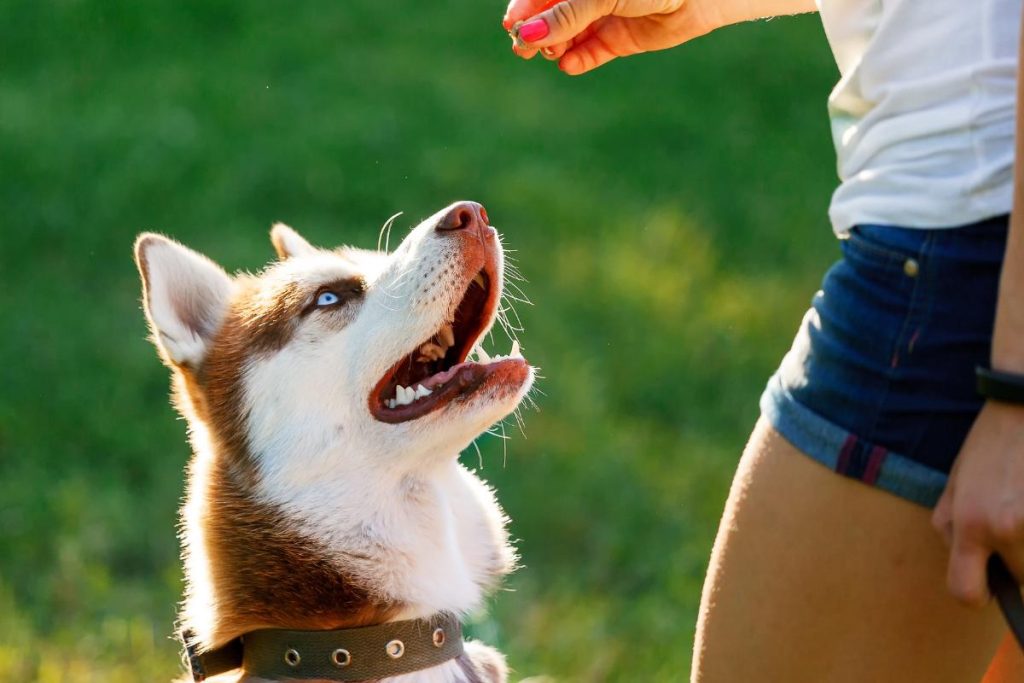
- Treats: Healthy snacks can work wonders. Options like small pieces of carrot, apple, or commercially available training treats that are low in calories can excite your pet and encourage good behavior. It’s essential to consider your pet’s dietary needs and ensure that treats are given in moderation.
- Praise: Verbal affirmations goose your pet’s confidence, letting them know that they are on the right track. Phrases like “good boy/girl” or “well done” in a cheerful tone reinforce their efforts and strengthen the bond between you.
- Playtime: Incorporating fun activities, such as fetch or tug-of-war, can be a powerful motivator. Many pets thrive on interaction and physical activity, so using play as a reward not only acknowledges their good choices but also supports their overall well-being.
Not only do effective rewards promote better behavior, but they also reinforce the idea that training is a fun and rewarding experience. By observing your pet’s responses to various rewards, you can tailor your approach to suit their unique preferences. Over time, you’ll cultivate a robust reward system that not only encourages obedience but also enriches the overall relationship you have with your pet.
Stay tuned as we delve deeper into strategies for creating a reward system that can elevate your pet training sessions to new heights. Understanding the nuances of your pet’s motivations will pave the way for a more harmonious coexistence and a lifetime of companionship.
DIVE DEEPER: Click here to find the best cat breeds for your family
Finding What Works: Tailoring Rewards to Your Pet
When it comes to motivating your pet during training, understanding individual preferences is crucial. Each pet is unique, possessing distinct personalities and interests that can greatly influence their responsiveness to various reward systems. To effectively encourage good behavior and learning, it’s essential to take the time to discover which rewards resonate best with your furry friend.
Identifying Your Pet’s Preferences
To establish a reward system that works, start by observing your pet’s reactions to different stimuli. This can include a variety of treats, praise, or playtime. It’s also essential to consider factors such as your pet’s age, breed, and activity level, as these characteristics can affect their motivation levels. Keeping these elements in mind will allow you to cater your reward approach and maximize your pet’s training potential.
Here are some steps to help you identify the motivations that will make your training sessions more fruitful:
- Experiment with Treats: Offer a selection of treats to see what excites your pet the most. Common favorites include small bits of chicken, cheese, or specialized training treats, which can be found at pet stores. Pay close attention to their enthusiasm for different options. Are they more responsive to crunchy snacks or soft ones? What flavors get their tails wagging?
- Monitor Behavioral Response: While training, take notes on how your pet reacts to various rewards. Does your dog perk up at the sound of a can opener, or does your cat come running at the sight of their favorite toy? These behaviors can provide valuable insight into what truly motivates them.
- Mix Things Up: Variety is the spice of life, and this holds true for your reward system as well. Keep training engaging by rotating the types of rewards used. For example, if you’ve been using treats extensively, try incorporating more playtime or praise to see how your pet responds. Diverse reinforcement techniques can help sustain their interest and enthusiasm throughout the training process.
Involving your pet in the reward-selection process can deepen their investment in training. It’s not merely about offering treats or praise; understanding their preferences fosters a sense of partnership between you and your pet. This connection is vital for building trust and ensuring that your furry friend sees training as a positive experience.
By honing in on what makes your pet tick, you can create a personalized reward system that enhances your training sessions. As you observe their reactions and adjust your approach accordingly, you’ll find that not only do they improve in obedience, but the bond you share will flourish as well.
Stay with us as we explore more strategies on crafting a motivational reward system designed to optimize your pet’s learning and deepen your relationship. Together, you can unlock their full potential in a fun, engaging way.
Establishing a Reward System: Motivating Your Pet During Training
When it comes to training your pet, creating an effective reward system can significantly enhance the learning experience. Utilizing various motivation techniques can help establish trust and understanding between you and your pet, fostering a positive atmosphere for learning.
Understanding Types of Rewards
It is important to recognize that different pets respond to different types of rewards. Treats, praise, and playtime can all serve as rewarding incentives during training sessions. Experimenting with these can help you identify what best motivates your furry friend.
| Reward Type | Benefits |
|---|---|
| Treats | Immediate gratification encourages learning. It strengthens the bond when pets receive something they enjoy. |
| Praise | Verbal rewards boost your pet’s confidence and create a positive environment, which can enhance the overall training experience. |
| Playtime | Engaging in fun activities acts as a valuable reward that can motivate your pet to learn while enjoying their time. |
Combining these methods can lead to a holistic approach to motivation. For instance, mixing treats with praise can create memorable experiences for your pet. Moreover, it’s essential to ensure that rewards are administered promptly; this will help your pet connect their behavior with the reward effectively.
Creating a Structured Training Schedule
Establishing a consistent schedule cements learning, creating an environment where your pet knows when to expect training and rewards. This structure not only maximizes efficiency but also decreases confusion. Pairing the reward system with established routines can make training sessions feel less like a chore and more like a fun activity.
DIVE DEEPER: Click here to learn more
Beyond Treats: Exploring Diverse Reward Options
While treats are often the go-to rewards that come to mind during pet training, they are just one piece of a larger puzzle when it comes to establishing a successful reward system. Expanding your horizon beyond edible rewards can lead to an engaging training experience and cater to your pet’s unique motivations. The key is to recognize that not all pets are luxuriously motivated by food; many may have other preferences that shine when incorporated into their training sessions.
Utilizing Praise and Affection
For many pets, especially dogs, verbal praise can have an incredible impact. Simple affirmations like “good boy!” or “well done!” paired with enthusiastic tone and gestures can motivate your pet just as strongly as a tasty treat. Affection in the form of petting or cuddling can also reinforce positive behavior and create a stronger emotional bond between you and your pet. This kind of positive reinforcement helps build feelings of security and trust, which are essential for effective training.
The Power of Play
Engaging your pet in play as a reward can be a highly effective motivational tool. For dogs, this could mean breaking out a favorite toy or initiating a game of fetch right after they perform a command correctly. Cats may respond well to interactive play, such as feather wands or laser pointers, as a reward for good behavior. These playtime rewards not only reinforce desirable behaviors but also aid in fulfilling your pet’s natural instincts, ensuring they remain active and mentally stimulated during training.
Socialization as a Reward
Another lesser-known reward option involves socialization. Some pets thrive on social interactions with other animals or people. For instance, rewarding your dog’s good behavior with a trip to a dog park or playdates can yield great results. It’s important to note that early social experiences can also help prevent behavioral issues in the future. By incorporating social rewards, you can enrich your pet’s life while simultaneously reinforcing their training.
Creating a Custom Reward System
Combining various types of rewards allows you to create a personalized reward system tailored to your pet’s specific needs and preferences. For example, you might decide to use a combination of treats, praise, and playtime during training sessions. Implementing a ‘reward menu’ can be an exciting way to present options to your pet, giving them a choice to encourage engagement and participation.
Tracking the effectiveness of different rewards can also lead to a more tailored experience. Keep notes during each training session to document which rewards lead to the most enthusiastic responses and general behavioral improvements. This data can facilitate adjustments in your approach and ensure that your training methods remain effective as your pet’s preferences evolve over time.
With careful observation and creativity, you can cultivate a reward system that inspires excitement in your pet every time training rolls around. This deepening connection not only enhances obedience but also ensures that your pet views learning as a fun-filled adventure rather than a chore.
DISCOVER MORE: Click here to learn how your pet’s diet can impact your health
Conclusion: Empowering Your Pet Through Reward Systems
In summary, establishing a robust reward system is fundamental to successful pet training that not only fosters obedience but also nurtures a profound bond between you and your furry companion. As we explored, the range of available rewards extends far beyond mere treats. By integrating methods such as verbal praise, physical affection, interactive play, and socialization, pet owners can create a multi-faceted approach tailored to their pet’s distinct preferences and motivations.
The beauty of a customized reward system lies in its adaptability. By closely observing your pet’s reactions and maintaining a record of successful rewards during training sessions, you can effortlessly adjust your approach as your pet’s tastes evolve. This focus on personal engagement ensures that learning remains a joyous venture rather than a monotonous task. Incorporating a variety of rewards not only keeps training sessions exciting but also enriches your pet’s overall experience, encouraging them to embrace learning as part of their daily routine.
Additionally, it is crucial to highlight that a well-rounded reward system contributes to the mental and emotional well-being of your pet, fostering a sense of security and trust. As you embark on this journey of training, remember that every session is an opportunity for connection, growth, and fun. The right blend of motivation will not only improve your pet’s behavior but will also turn training time into an adventure that strengthens your relationship. So, embrace the challenge, unleash your creativity in exploring diverse rewards, and watch as your pet flourishes through a system designed just for them.