Exploring the Role of Creative Expression in the Self-Learning Process
Unlocking Potential through Creativity
In an ever-evolving world, self-learning has emerged as a vital skill. The incorporation of creative expression into this process not only enhances understanding but also motivates individuals to explore beyond traditional boundaries. From painting to writing, various forms of creativity serve as tools for deeper engagement and learning. As the landscape of knowledge continues to expand at a stunning pace, individuals are often left navigating through vast seas of information, making creative methods essential for effective self-directed learning.
Why Creative Expression Matters
Creativity allows learners to:
- Enhance critical thinking skills: Engaging in creative activities like brainstorming sessions or debates encourages learners to analyze and synthesize different viewpoints, sharpening their ability to evaluate information critically.
- Stimulate problem-solving abilities: When faced with a challenge, creativity can be the spark that leads to innovative solutions. For example, a person summoning their creativity in a DIY home project might find novel ways to repurpose materials that would otherwise be discarded.
- Encourage innovation and original ideas: The workplace increasingly values fresh perspectives, and fostering creativity ensures that individuals are not just passively consuming knowledge but actively contributing to it.
These aspects are essential, particularly in the digital age, where knowledge is abundant yet overwhelming. By using creative outlets, self-learners can sift through information, making connections that are personal and impactful. For instance, someone studying climate change might create an infographic to visualize the effects, helping both themselves and others grasp the urgency of the issue. This not only helps in retention but builds a meaningful context for the subject matter.
Everyday Examples in Self-Learning
Consider how diverse activities can foster this growth:
- Journaling: Regularly reflecting on learning experiences through writing allows individuals to track their progress, rethink their approaches, and integrate new insights. In the United States, journaling has been used in educational settings to improve writing skills and self-awareness.
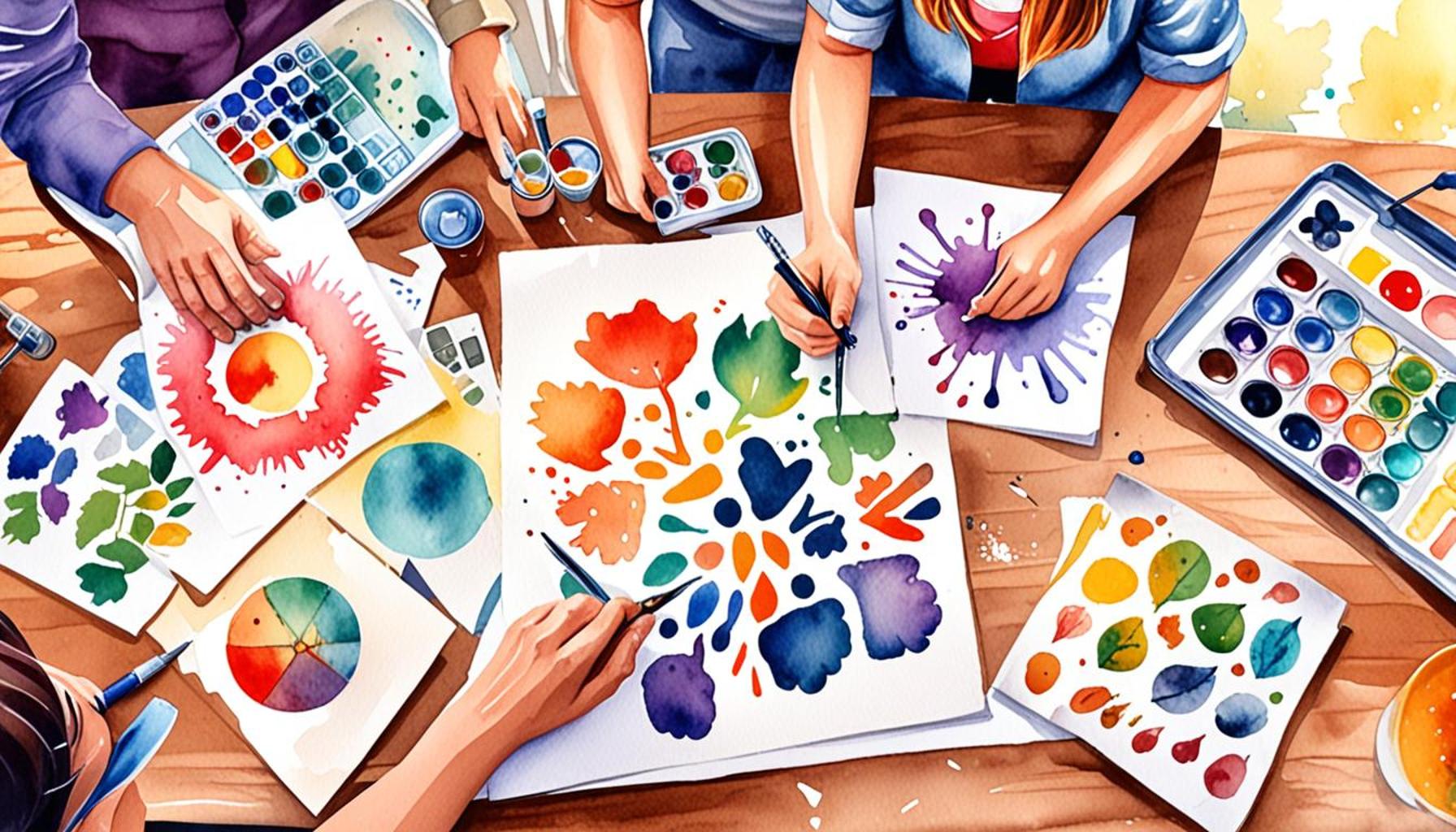
- Art projects: Creating visual representations of complex concepts helps demystify subject matter. For instance, STEM students often benefit from using diagrams or physical models to represent abstract theories, making them more accessible and easier to grasp.
- Music creation: Delving into music composition can illuminate patterns and rhythms that mirror complex systems in mathematics or science, thus revealing interconnections that enhance understanding.
Each of these avenues promotes not just retention but also an emotional connection to the material. When learners engage with content creatively, they are more likely to remember and apply what they have learned. In this article, we will delve into how embracing creativity can transform self-directed learning, leading to enriched knowledge and personal growth. By nurturing one’s creative side, the journey of discovery becomes not just an academic pursuit, but a transformative experience that enriches the self.
DIVE DEEPER: Click here to discover more insights
The Intersection of Creativity and Learning
Creative expression and self-learning intertwine to forge pathways that deepen comprehension and broaden horizons. This synergy is particularly crucial in an era characterized by rapid technological advancements and ever-evolving information landscapes. By engaging in creative mediums, learners not only retain knowledge more effectively but also cultivate an enthusiasm for continuous exploration. The utilization of creativity in learning processes transforms abstract concepts into tangible experiences that resonate on multiple levels.
One of the foremost benefits of merging creativity with self-learning lies in the way it fosters self-discovery. As individuals engage with creative activities, they are encouraged to tap into their unique perspectives and insights. For example, a student exploring a historical event through the creation of a multimedia presentation can discover personal connections that might otherwise remain hidden. The act of articulating ideas in innovative formats empowers learners to take ownership of their learning journey, making it both personal and pragmatic.
The Role of Technology in Creative Learning
Technology plays a pivotal role in enhancing the intersection of creativity and self-learning. With the proliferation of online platforms and digital tools, learners can access an array of resources that encourage creative engagement. Consider platforms like Canva or Adobe Creative Cloud, which enable users to design visually appealing graphics and presentations. These tools facilitate the reinterpretation of content in meaningful ways, leading to a greater grasp of concepts and themes. Furthermore, the availability of online courses on creative writing, photography, or digital art broadens the spectrum for learners curious about integrating creative expression into their studies.
- Interactive Workshops: Many platforms offer interactive workshops that encourage participants to learn new skills in tandem with their self-directed study. For instance, a workshop on storytelling can help a budding filmmaker articulate their narrative visually while enhancing their understanding of film theory.
- Online Communities: Community forums and social media groups can serve as valuable spaces for feedback and inspiration. Engaging with peers allows learners to share ideas and receive constructive criticism, ultimately honing their creative and academic abilities.
- Diverse Learning Modes: Creative expression encourages exploration through multiple learning modes. By engaging in activities like podcasts or blogs, learners can articulate new knowledge and share insights, solidifying their understanding while contributing to a broader discourse.
As learners adopt creative strategies that resonate with their interests and passions, a sense of intrinsic motivation is born. This dynamic not only enhances their retention of information but also amplifies their overall appreciation of learning. The amalgamation of creativity and self-directed study promotes a holistic educational experience—one that nurtures both the mind and the spirit. As we further this examination, we will explore how these creative methodologies propound the self-learning journey into a profound agent of transformation, pushing learners toward greater heights of understanding and innovation.
| Advantage | Description |
|---|---|
| Enhanced Problem-Solving Skills | Through creative expression, learners develop unique perspectives that foster innovative solutions. |
| Increased Engagement | Creative activities maintain interest, motivating learners to explore concepts more deeply. |
| Self-Discovery | Engaging in creative expression allows individuals to discover their passions and strengths. |
| Emotional Intelligence Development | Creative practices help learners understand and express emotions, improving their interpersonal skills. |
Creative expression plays a pivotal role in the self-learning process, acting as a catalyst for both academic and personal growth. By integrating creativity into learning, individuals can approach challenges with an open mind. It not only fosters problem-solving skills but also nurtures emotional intelligence—an essential skill in today’s collaborative environments. Furthermore, engaging in creative activities can lead to profound self-discovery, where learners gain insights into their own identities, preferences, and cognitive styles. As they delve deeper into their creative endeavors, they enhance their overall engagement with the material, making the learning experience not just effective but also enjoyable. This intersection of creativity and education highlights the transformative power of expressive practices, encouraging learners to take ownership of their education and embark on lifelong journeys of exploration.
DISCOVER MORE: Click here for valuable tips
Creative Expression as a Catalyst for Critical Thinking
In today’s fast-paced world, the ability to think critically is more essential than ever. Creative expression serves as a catalyst for this coveted skill in the self-learning process. By allowing individuals to explore an array of viewpoints and approaches, creative activities encourage learners to question assumptions and enhance their decision-making capabilities. For instance, a learner engaged in writing a short story is not merely honing their narrative skills; they are also developing a nuanced understanding of character motivations and ethical dilemmas, which invites deeper contemplation and analysis.
Research supports the notion that creativity fuels critical thinking. A study published in the Journal of Creative Behavior highlights how creative tasks—such as puzzle solving or artistic endeavors—stimulate the brain regions associated with divergent thinking. This form of thinking allows individuals to generate multiple solutions to a single problem, thereby enriching their intellectual toolkit. In a self-learning context, this means learners are not confined to traditional methods of analysis but rather encouraged to explore unchartered territories where intellectual engagement thrives.
Real-World Applications of Creative Self-Learning
The real-world applications of creative self-learning offer a glimpse into how individuals can transform theoretical knowledge into practical skills. Consider the realm of entrepreneurship, where creativity is often a cornerstone of innovation. Aspiring business owners may engage in brainstorming sessions, where they visualize their ideas through mind maps or sketches. This practice not only aids in organization but also assists in identifying potential challenges and opportunities, enabling a more comprehensive approach to business strategy.
Furthermore, creative expression plays a significant role in areas such as science and technology. For example, young scientists participating in science fairs often create visually compelling models or engaging presentations that summarize their findings. In this context, creativity not only makes their research accessible but also opens doors for deeper discussions about scientific concepts, making learning dynamic and interactive.
- Art and Science Fusion: A fascinating trend has emerged where artists collaborate with scientists to create works that depict complex scientific phenomena. Such projects highlight how creative expression can make challenging subjects like astronomy or genetics more relatable and comprehensible.
- Community Learning Projects: Local community initiatives often utilize creative expressions, such as mural painting or theatre productions, to educate residents on social issues. By combining art with activism, these projects foster a sense of collaboration and learning through shared experiences.
- Gamification in Learning: The incorporation of gamification into self-learning environments presents another innovative use of creativity. Interactive games not only engage learners but also challenge them to think strategically and problem-solve, reinforcing the connection between fun and effective education.
In exploring these facets, it becomes clear that creative expression is not merely an ancillary element in the self-learning process—it is a necessary driving force that enhances the depth and breadth of understanding. By embracing creativity, learners cultivate the ability to connect disparate ideas, thus generating a richer tapestry of knowledge that can be applied across various fields and endeavors.
DON’T MISS: Click here to discover the importance of constructive criticism in your learning journey
Conclusion: Embracing Creativity in Self-Learning
In conclusion, the exploration of creative expression within the self-learning process reveals a crucial synergy that enhances cognitive development and personal growth. By integrating imaginative approaches alongside traditional learning methods, individuals are empowered to engage in a deeper intellectual journey. This process not only fosters critical thinking but also inspires innovative problem-solving—that is essential in today’s rapidly changing world.
As demonstrated through various applications in fields such as entrepreneurship and science, creative expression becomes a bridge that transforms theoretical concepts into tangible skills. Whether through community projects that blend art with awareness, or gamification strategies that inject excitement into learning, the possibilities are limited only by one’s imagination. The fusion of art and science, as well as interdisciplinary collaborations, underline the importance of view diversification in enhancing understanding.
Furthermore, the ability to approach challenges creatively equips learners with a holistic view of their projects, ensuring they can navigate complexities with confidence and resourcefulness. As we continue to advance into an era that values innovation and adaptability, it becomes vital for educational frameworks to embrace creative methodologies within self-learning environments.
Ultimately, encouraging creativity is not merely an adjunct to learning; it is a necessity that cultivates a richer, more interconnected understanding of the world. By acknowledging and harnessing the power of creative expression, we pave the way for lifelong learners who are not only equipped to think critically and creatively, but also to contribute meaningfully to society.