
Holistic Nutrition: How Integrated Approaches Can Benefit Pet Health
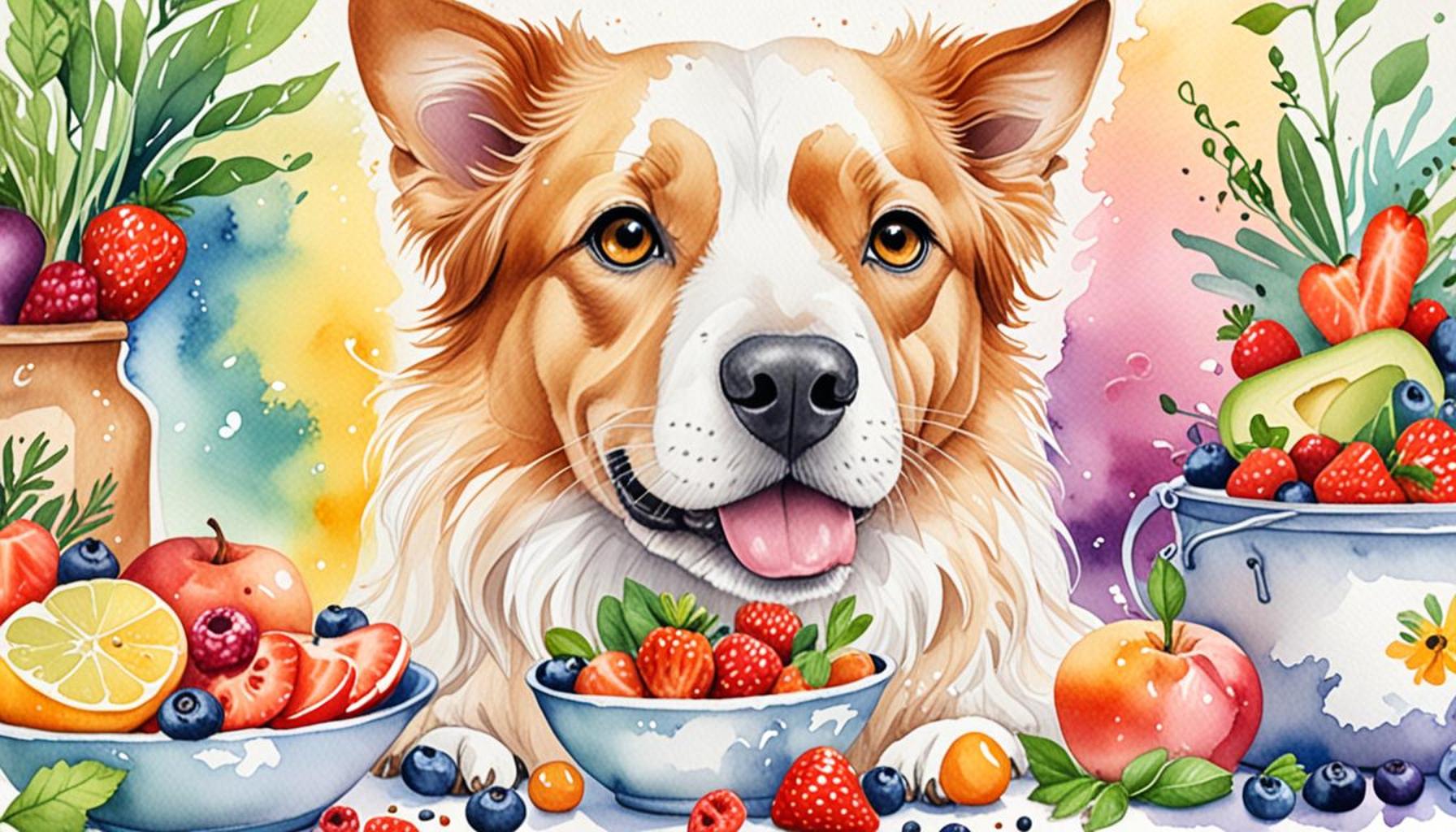
The Importance of Holistic Nutrition for Pet Health
In recent years, many pet owners have become more conscious of how their choices affect their pets’ health and happiness. This shift has encouraged the rise of holistic nutrition, an approach that takes into account not just the diet, but also the emotional and physical aspects of a pet’s life. By integrating various elements geared towards overall wellness, holistic nutrition seeks to create a balanced and fulfilling life for pets.
Holistic nutrition extends well beyond the mere choice of pet food; it encompasses key components that play crucial roles in your furry friend’s quality of life. These components include:
- Dietary Choices: Opting for natural, whole-food ingredients is essential. For instance, many pet owners now favor high-quality kibble or raw food diets that are free from artificial additives and preservatives. These diets often include fresh meats, vegetables, and grains that contribute to optimal health.
- Emotional Well-being: Just like humans, pets experience stress and anxiety, which can have detrimental effects on their health. Techniques such as creating safe spaces, providing enrichment toys, and even engaging in activities like cuddling can enhance the emotional health of pets.
- Physical Care: A holistic view also underscores the importance of regular exercise and preventive healthcare measures, such as vaccinations and dental care, to maintain a pet’s health and vitality.
Research supports the idea that by implementing holistic practices, pet owners can promote significant health benefits for their animals. For example:
- Improved Digestion: A healthy, balanced diet rich in fiber can help regulate bowel movements and enhance nutrient absorption, leading to better overall health.
- Enhanced Immune Function: Nutritional choices that deliver vitamins and antioxidants contribute to a stronger immune system, helping pets fend off illnesses more effectively.
- Behavioral Stability: It’s fascinating how certain nutritional adjustments can influence a pet’s energy levels and mood, leading to a more balanced temperament.
As you explore the realm of holistic nutrition, you will find that the synergy between mindful feeding, compassionate care, and thoughtful lifestyle choices can truly transform your pet’s health. The exploration of this holistic approach not only highlights the importance of diet but also encourages pet owners to consider the emotional and physical environments in which their pets live. Engaging fully with these connections can open new pathways for those committed to optimizing their beloved companions’ wellness.
DISCOVER MORE: Click here for essential tips

Understanding the Foundations of Holistic Nutrition
To fully appreciate the benefits of holistic nutrition for pets, it’s essential to delve into its foundational principles. Holistic nutrition operates on the premise that every aspect of a pet’s life can influence its overall health. This comprehensive approach encourages a complete evaluation of not only what pets consume but also how they interact with their environment and their caregivers. By understanding these interconnected factors, pet owners can create a true wellness framework for their beloved companions.
One of the core tenets of holistic nutrition is the focus on natural ingredients. The shift towards organic and minimally processed foods is gaining momentum across the United States. Pet food brands are increasingly embracing these principles, offering options that are free from artificial colors, flavors, or preservatives. This shift is not just a trend; scientific studies have shown that pets that consume diets rich in high-quality proteins, healthy fats, and a variety of fruits and vegetables tend to display improved vigor and stamina.
The Role of Nutritional Balance in Pet Health
A balanced diet is a crucial aspect of holistic nutrition. It’s not just about providing food but understanding the nutritional needs specific to each pet’s age, breed, and health concerns. For instance, puppies have different needs than senior dogs. A well-structured dietary plan can help prevent common health issues associated with imbalanced nutrition, such as obesity, diabetes, and gastrointestinal disorders. Some key factors to consider include:
- Macronutrient Ratios: It’s vital to ensure that pets receive the right proportions of proteins, fats, and carbohydrates. High-quality protein sources like chicken, beef, and fish enhance muscle development and support metabolism.
- Essential Fatty Acids: Omega-3 and Omega-6 fatty acids contribute to healthy skin and coat, while also supporting cognitive function and joint health.
- Vitamins and Minerals: Incorporating a variety of fruits and vegetables provides critical micronutrients that bolster the immune system and promote cellular repair mechanisms.
Another fundamental aspect of holistic nutrition is understanding the emotional connection between pets and their owners. A stable emotional environment can significantly influence a pet’s dietary choices and overall well-being. Dogs and cats thrive on routine and can become stressed in disruptive situations. Ensuring that pets have regular feeding times and comfortable spaces can mitigate anxiety and lead to healthier eating habits.
Research has consistently demonstrated a link between nutritional balance and enhanced longevity, behavioral stability, and disease prevention in pets. For example, a study published in a veterinary journal illustrated that pets fed a natural diet exhibited lower incidences of chronic diseases such as renal failure and arthritis. By approaching pet nutrition holistically, owners not only nourish the body but also nurture the psyche, ultimately contributing to a longer, happier life.
As we move forward in this exploration of holistic nutrition, it becomes clear that the journey is more than just about food. It reflects a lifestyle choice that prioritizes the health, happiness, and wholeness of our pets. With each informed decision we make about our pets’ nutrition and care, we pave the way towards a brighter, healthier future for them.
Understanding Holistic Nutrition for Pets
Holistic nutrition is not just a trend; it’s a comprehensive approach to pet health that considers the whole animal – mind, body, and spirit. This integrated methodology acknowledges that pet health is impacted by various factors, including diet, exercise, mental stimulation, and emotional well-being. By focusing on nourishing pets with nutrient-dense, whole foods, pet owners can help prevent common health issues and enhance their pets’ quality of life.
Key Elements of Holistic Nutrition
The foundational principle of holistic nutrition is balance. Offering a variety of foods that align with a pet’s natural dietary needs is crucial. High-quality proteins, healthy fats, and organic fruits and vegetables not only provide energy but also support immune function and overall vitality. Additionally, integrating supplements, such as fish oil or probiotics, can further enhance wellness and longevity.
The Role of Mind-Body Connection
A significant aspect of holistic health for pets is the mind-body connection. Stress, anxiety, and lack of mental stimulation can lead to behavioral issues and physical health problems. Engaging a pet in interactive play, training sessions, and providing enriching environments can significantly boost their mood and health. Recognizing the psychological aspect of a pet’s well-being allows owners to create a more fulfilling and harmonious life for their companions.
Benefits of an Integrated Approach
Adopting a holistic approach can yield numerous benefits for pets. From reduced incidences of chronic illnesses to improved energy levels and enhanced emotional states, the impact of a well-rounded nutrition plan can be profound. Furthermore, holistic nutrition advocates emphasize the reduction of harmful ingredients commonly found in processed pet foods, promoting overall health and sustainability.
Why Choose Holistic Nutrition?
Ultimately, the goal of holistic nutrition is to empower pet owners to make informed choices about their pets’ diets. By understanding how integrated approaches can benefit their pets’ health, owners will be better equipped to foster a happy and healthy companion. This awareness opens up a world of possibilities to explore natural remedies and dietary choices that can lead to brighter and healthier lives for our furry friends.
| Advantage | Description |
|---|---|
| Comprehensive Well-Being | Focuses on physical, emotional, and mental health. |
| Balanced Nutrition | Offers varied, nutrient-dense whole foods for optimal health. |
FOR MORE INFO: Click here to discover hypoallergenic dog breeds
Integrating Lifestyle Factors for Optimal Pet Wellness
The scope of holistic nutrition extends far beyond dietary considerations. It encompasses lifestyle factors that impact a pet’s overall well-being, including physical activity, mental stimulation, and environmental enrichment. By integrating these components into a wellness plan, pet owners can create an environment that fosters enhanced physical health and emotional stability.
Physical activity is pivotal to maintaining healthy pets. Regular exercise not only aids in weight management but also contributes to improved cardiovascular health and overall vitality. Whether it’s daily walks, interactive play sessions with toys, or agility training, finding enjoyable activities tailored to a pet’s age and energy level can significantly benefit their health and reduce common behavioral issues like anxiety and destructive tendencies.
The Impact of Mental Stimulation on Health
Mental stimulation plays a crucial role in a pet’s happiness and overall well-being. Engaging pets with puzzle toys, training sessions, or social activities with other animals can prevent boredom and promote cognitive development. Research from animal behavior studies indicates that pets receiving adequate mental stimulation exhibit lower levels of frustration and anxiety, translating to better overall behavior and reduced incidents of aggression.
Moreover, the environment in which a pet lives can greatly influence its health. A stress-free environment with designated safe spaces, comfortable bedding, and access to natural light can make a significant difference in a pet’s emotional state. Creating an atmosphere filled with positive energy allows pets to thrive. Studies reveal that pets with predictable routines and stable living conditions show reduced signs of stress and improved health outcomes.
Complementary Therapies in Holistic Nutrition
Another significant facet of holistic nutrition involves the incorporation of complementary therapies. Acupuncture, chiropractic care, massage therapy, and even aromatherapy have gained popularity among pet owners seeking alternative ways to enhance their pets’ well-being. For instance, acupuncture has shown promise in alleviating pain in pets suffering from osteoarthritis, providing them with enhanced quality of life while minimizing reliance on pharmaceuticals.
According to a survey conducted by the American Holistic Veterinary Medical Association (AHVMA), nearly 90% of veterinarians have witnessed positive outcomes when integrating complementary therapies into their clients’ treatment plans. This growing interest in holistic methods underscores the movement toward a more comprehensive view of animal health that embraces natural treatments alongside conventional veterinary care.
The Importance of Regular Veterinary Check-ups
While holistic nutrition addresses many aspects of pet health, it should not replace regular veterinary assessments. Routine vet visits are essential for early detection of health issues and ensuring pets are on track with vaccinations and preventive care. Many holistic veterinarians prioritize a thorough understanding of a pet’s diet and lifestyle during these check-ups, allowing for tailored health plans that encompass both traditional and holistic practices.
For example, veterinarians may recommend adjustments in diet based on specific health conditions, such as food sensitivities or metabolic issues. Collaborating with a holistic veterinarian can provide pet owners with a thorough diagnostic approach that honors their pet’s unique health profile, merging the benefits of holistic nutrition with modern veterinary medicine.
By embracing the principles of holistic nutrition, pet owners not only invest in their pets’ physical health but also nurture their emotional and mental well-being. This integrated approach fosters a healthier lifestyle, enriching the bond between pets and their caregivers.
EXPLORE MORE: Click here to discover the benefits of animal-assisted therapy
Conclusion: Embracing Holistic Nutrition for Comprehensive Pet Health
Incorporating holistic nutrition into your pet’s care regimen signifies a profound commitment to their overall well-being. By understanding that health is not solely linked to diet, pet owners can explore an integrated approach that encompasses physical activity, mental stimulation, and supportive environmental factors. These elements work together to foster an enriched lifestyle, ultimately enhancing the bond shared between pets and their caregivers.
The use of complementary therapies and collaboration with holistic veterinarians provides additional dimensions to treatment that traditional methods alone may not offer. With an estimated 90% of veterinarians affirming positive outcomes from integrated care practices, the legitimacy and benefits of holistic nutrition cannot be overlooked. Such an approach not only addresses immediate health concerns but also promotes longer-term wellness by nurturing both the body and mind.
Regular veterinary check-ups remain indispensable, serving as a critical foundation for any holistic health strategy. These visits ensure that health plans are personalized to each pet’s unique needs, driving innovative strategies for their care. Pet owners are encouraged to remain proactive and engaged, seeking out resources and information about holistic options that align with their pet’s health goals.
Ultimately, by adopting a comprehensive view of pet health, embracing holistic nutrition, and prioritizing lifestyle enrichment, pet owners can significantly elevate their furry companions’ quality of life. This journey not only benefits the pets themselves but also cultivates a deeper, more fulfilling relationship, enriching the entire pet ownership experience.