How to Handle Separation Anxiety in Pets: Strategies and Solutions
Understanding Separation Anxiety in Pets
Separation anxiety in pets, particularly dogs, is a pressing concern that affects a substantial number of households across the United States. The emotional turmoil experienced by pets when left alone can greatly influence their behavior and well-being, straining the bond between pets and their owners. Understanding how this anxiety manifests is the first step in mitigating its effects and creating a harmonious living environment.
Recognizing the Signs
Identifying the symptoms of separation anxiety is essential for early intervention. Common signs include:
- Destruction: This can manifest as chewed furniture, shredded cushions, or even clawed doors, indicating your pet is attempting to escape. For instance, a dog might chew on a doorframe in an effort to reach its owner, exemplifying the depth of their distress.
- Vocalization: Pets suffering from separation anxiety often express their distress through excessive barking, whining, or howling. Neighbors may even complain about the noise, unaware that the pet is signaling its panic over being alone.
- Pacing: Observe your pet for repetitive movements around the house, such as pacing back and forth or circling in one area, which can indicate a state of agitation and anxiety.
Recognizing these behaviors early on is crucial, as they can escalate if left untreated. Furthermore, understanding that these behaviors stem from anxiety rather than mischief is vital for a compassionate response from pet owners.
Why It Matters
Addressing separation anxiety is vital not only for your pet’s mental health but also for maintaining household harmony. Left unchecked, this anxiety can lead to a cycle of stress that impacts both pets and owners. For instance, a dog that barks incessantly might drive its owner to seek alternatives like kennel care, which could worsen the separation issue.
Moreover, around 14% of dogs are reported to exhibit signs of separation anxiety, highlighting that this issue is more prevalent than many owners may think. There’s also evidence suggesting that pets can develop other behavioral issues, such as aggression, as a result of prolonged anxiety.
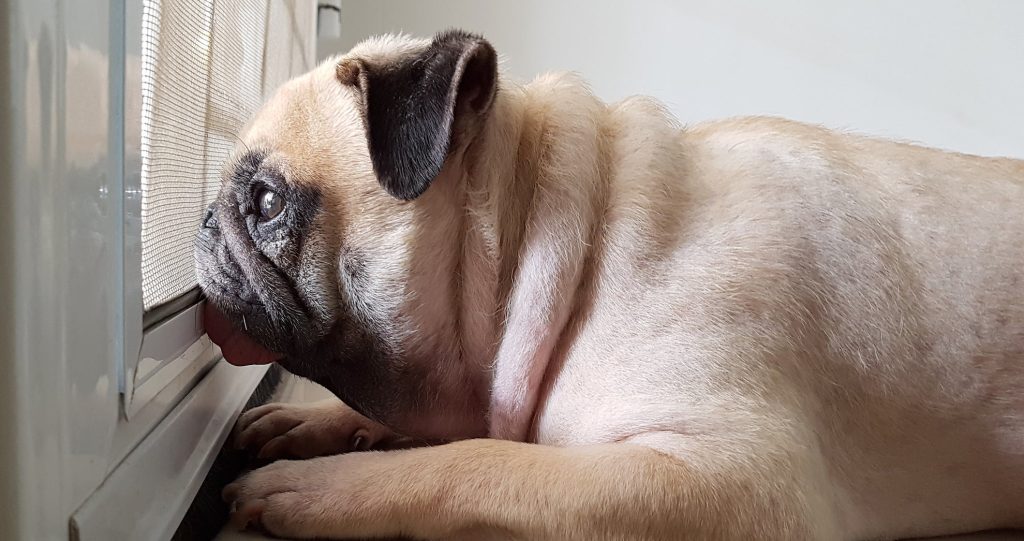
By understanding and implementing proper techniques to manage separation anxiety, pet owners can create a more comforting environment for their furry companions. This not only alleviates the anxiety experienced by pets but also enhances the overall quality of life for everyone in the household. Experts recommend gradual desensitization techniques, engaging toys, and even pheromone diffusers to help soothe anxious pets during potentially distressing periods.
In the following sections, this article will delve deeper into various methods to handle separation anxiety in pets, offering actionable insights and expert recommendations to ensure your furry friends remain happy, secure, and well-adjusted in a household that values their emotional health.
LEARN MORE: Click here to discover effective puppy training strategies
Effective Strategies for Managing Separation Anxiety
When it comes to handling separation anxiety in pets, it’s essential to take an organized approach that addresses the root causes of the distress rather than simply reacting to the symptoms. Various strategies can be employed to help pets feel more comfortable when they are left alone. Here’s a closer look at some tried-and-true methods that can make a significant difference.
Gradual Desensitization
One of the most effective techniques for reducing separation anxiety in pets is gradual desensitization. This process involves slowly acclimating your pet to being alone. Start by leaving your pet in a safe, comfortable space for just a few minutes while you step outside. Gradually increase the duration as your pet becomes more accustomed to your absence. The key is to ensure that each departure creates minimal anxiety and is a positive experience for your pet.
Creating a Positive Environment
Another valuable strategy involves creating a supportive and enriching environment for your pet in your absence. Here are several tips to enhance their comfort:
- Safe Space: Designate a specific area in your home as a relaxation zone. Equip it with their favorite toys, bedding, and even some familiar scents.
- Interactive Toys: Toys that require mental engagement, such as puzzle feeders or treat-dispensing toys, can keep your pet occupied and distracted during your absence.
- Comfort Items: Familiar items like your old t-shirt or a blanket can provide comfort by reducing your pet’s anxiety levels when you’re not around.
- Background Noise: Leaving on the TV or playing soothing music can create a sense of companionship, reducing feelings of loneliness.
It’s crucial to note that these solutions not only serve to alleviate feelings of anxiety but also help your pet associate your departures with positive experiences. For instance, the appearance of a beloved puzzle toy can signal playtime rather than worry.
Professional help and Medication
In more severe cases of separation anxiety, seeking professional help from a veterinarian or animal behaviorist might be necessary. They can conduct an assessment to determine if your pet’s anxiety might be linked to underlying medical issues. Additionally, qualified professionals may suggest medications or behavioral therapies to provide targeted relief. These options can complement behavioral strategies and ensure a comprehensive approach to overcoming anxiety.
Understanding and managing separation anxiety in pets doesn’t have to be overwhelming. Each pet is unique, and it’s essential to tailor strategies to suit their specific needs. Implementing a combination of desensitization techniques, enriching experiences, and professional advice can significantly improve your pet’s well-being. In the next sections, we’ll explore more advanced methods and tools that can further aid in alleviating separation anxiety for your cherished companions.
| Strategies | Benefits |
|---|---|
| Gradual Desensitization | Helps pets adjust to being alone, reducing anxiety over time. |
| Interactive Toys | Keeps pets engaged, mentally stimulating them during alone time. |
| Routine Establishment | Creates a sense of security for pets, knowing what to expect. |
| Calming Aids | Utilizes natural remedies or treatments to ease stress. |
Understanding how to implement effective strategies for relieving your pet’s separation anxiety can aid in creating a more harmonious home. For instance, gradual desensitization involves slowly increasing the time your pet spends alone, which can significantly alleviate their feelings of distress. Similarly, integrating interactive toys into their playtime routine will keep their minds occupied, making the alone-time less daunting. Establishing a consistent routine can also provide your pet with stability, allowing them to feel secure. Lastly, employing calming aids, such as pheromone diffusers or natural supplements, can contribute to an overall reduction in anxiety levels. Implementing these strategies not only benefits your pet’s well-being but also fosters a deeper bond between you and your furry friend while navigating the challenges of separation anxiety.
DISCOVER MORE: Click here to learn how your pet’s diet impacts your well-being
Additional Techniques to Alleviate Separation Anxiety
While the foundational strategies discussed earlier provide a solid starting point for combating separation anxiety in pets, there are numerous other techniques and considerations that can further ease your pet’s distress. These approaches can empower pet owners with additional tools to create a nurturing environment that fosters emotional well-being.
Consistency and Routine
Pets thrive on routine and predictability. Establishing a consistent daily schedule for feeding, walks, playtime, and bathroom breaks can help your pet feel secure. When pets sense a predictable routine, they may become more comfortable with the idea of being alone during specific periods, as they know when to expect interaction. Moreover, try to maintain a similar departure and arrival pattern each time you leave, as this reinforces their understanding of your comings and goings.
Interactive Training Exercises
Engaging your pet in training sessions before you leave can create a positive association with your absence. Focus on rewarding their good behavior with treats or praise during these interactions, which can help shift their attention away from anxiety. Consider introducing commands or tricks they enjoy performing, as consistent training not only improves their responsiveness but also builds their confidence. An enhanced level of confidence in their abilities can lead to a significant reduction in anxiety levels.
Use of Technology
In today’s tech-savvy world, pet owners have access to a variety of tools designed to help manage pet anxiety. Devices such as two-way cameras or interactive pet monitors allow you to observe your pet while you’re away and even engage with them through voice commands or control interactive toys remotely. This ability to check in is especially beneficial for pet owners who are often away for extended hours, as it provides both you and your pet with a sense of connection and assurance.
Additionally, there are products specifically designed to alleviate separation anxiety, including calming collars infused with pheromones or special supplements that promote relaxation. Many of these products contain natural ingredients aiming to soothe pets, allowing for a more serene environment during times of solitude.
Enrichment and Exercise
Physical activity plays a crucial role in mental health for pets. Regular exercise can reduce anxiety levels and improve mood. Engaging your pet in an active game, whether it’s fetch or tug-of-war, releases endorphins that can create a positive state of mind. It’s recommended to incorporate at least 30 minutes of exercise each day, tailored to your pet’s breed and energy level.
In addition to physical exercise, consider incorporating enrichment activities. These can include scent work or agility courses, which not only mentally stimulate your pet but also build their confidence and reduce anxiety triggers. Behavioral enrichment creates an opportunity for exploration and engagement that redirects focus away from feelings of fear associated with being alone.
By combining consistency in routine, engaging training exercises, technological aids, and physical enrichment, pet owners can significantly mitigate feelings of separation anxiety in their beloved companions. The goal is to develop a holistic approach tailored to your pet while fostering an environment of support and love.
DISCOVER MORE: Click here for family-friendly cat breeds
Conclusion
Separation anxiety in pets is a common concern that many pet owners face, but understanding and addressing this issue is crucial for the well-being of both pets and their human companions. Through the implementation of consistent routines, interactive training exercises, and strategic use of technology, pet owners can significantly alleviate their furry friends’ distress. These approaches not only foster a sense of security but also enhance the overall bond between pet and owner.
Moreover, it is essential to recognize the importance of physical and mental enrichment in combating anxiety. Providing pets with regular exercise and stimulating activities can promote a calmer demeanor, making separations more manageable. By weaving together physical activity with creative enrichment, you can help your pet reclaim their sense of comfort and confidence, even in your absence.
Ultimately, the journey to overcoming separation anxiety requires patience and dedication. Each pet is unique, and therefore, it’s vital to tailor these strategies to fit their specific needs. Seeking professional guidance from veterinarians or animal behaviorists can also provide invaluable insights and support. As you navigate through the various solutions available, remember that your commitment to easing your pet’s anxiety is a testament to the love you share.
In conclusion, while separation anxiety challenges both pets and owners, the strategies outlined in this article empower pet owners to create nurturing environments. With the right tools and a compassionate approach, you can ensure that your beloved companion feels secure, even when you’re apart.