
How to Train Your Cat to Use a Litter Box: Tips for Success
The Importance of Litter Box Training
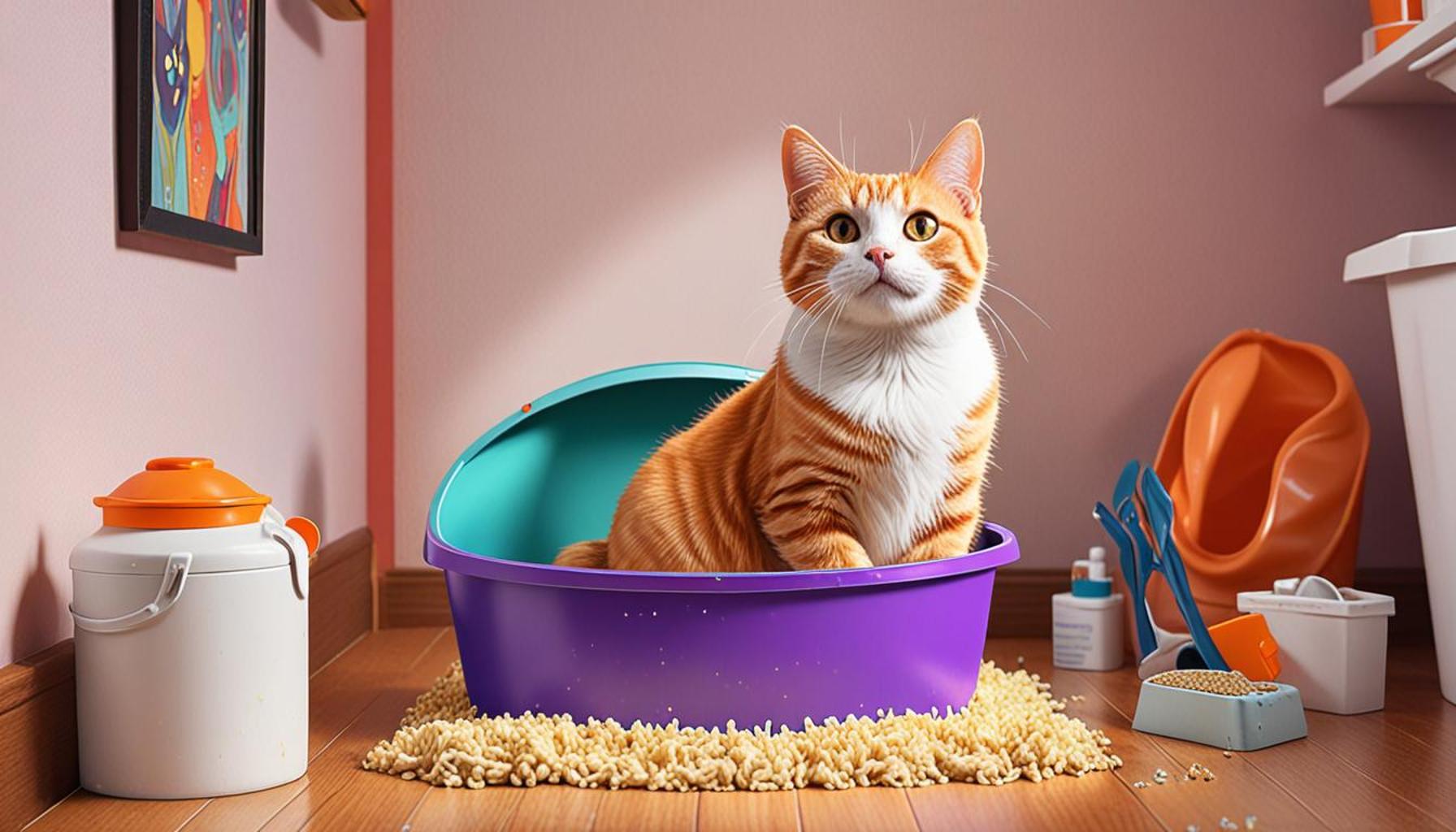
Training your cat to use a litter box can seem daunting, but with the right approach, it can be a smooth and even rewarding process. Many cat owners encounter similar challenges when introducing their furry friends to this essential habit, and understanding the intricacies of litter box training can turn a frustrating experience into a successful one.
Key Considerations for Litter Box Training
To ensure your cat adjusts to litter box usage, consider the following key points that can lead to success:
- Consistency: Cats thrive on routine. By regularly placing your cat in the litter box after meals or naps, you foster an association between these actions and using the box. This routine helps signal to your cat that it is time to relieve themselves. For instance, consider utilizing a specific phrase when placing your cat in the box, which can be repeated every time, aiding in their understanding of the action.
- Location: The placement of the litter box is crucial. Choose a quiet and accessible spot that offers privacy yet remains easy for your cat to reach. Areas away from loud noises or heavy foot traffic, such as a laundry room or a bathroom corner, can help your cat feel comfortable and secure while using it.
- Type of litter: Not all cats have the same preferences when it comes to litter. Experiment with different types, such as clumping, crystal, or biodegradable litter. For example, some cats may have a strong preference for clay-based litters due to their texture, while others may prefer softer, natural options. Investing time in finding the right litter can significantly impact your cat’s willingness to use the box.
Understanding Your Cat’s Unique Personality
Every cat possesses a distinct personality, and understanding these traits will aid in developing a customized strategy for litter training. For instance, more assertive cats may take to the litter box quickly, while more timid cats might require additional encouragement. Observing your cat’s behavior can provide clues about how to assist them in adjusting to this new aspect of their routine.
Patience is Key
When introducing the litter box to your feline friend, patience is a critical component. It may take time for your cat to adapt to this change. If they have previously lacked exposure or experience with a litter box, consistent gentle reinforcement is essential. Accidents might happen along the way, but view them as part of the learning process rather than failures. In such moments, simply clean the area with an enzymatic cleaner to eliminate odors that may attract them back.
Proven Techniques and Expert Tips
In the following sections, we will explore proven techniques and expert tips to ensure a successful transition to the litter box. By focusing on your cat’s comfort, maintaining cleanliness, and honoring their preferences, you not only improve your cat’s experience but also enhance your home’s hygiene and overall atmosphere.
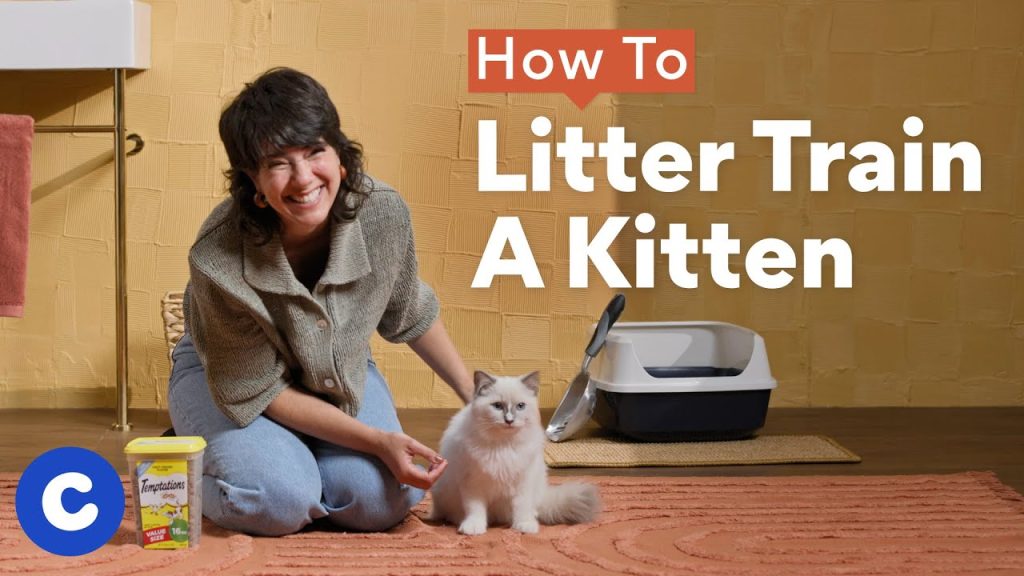
With an understanding of your cat’s needs, the right strategies in hand, and a sprinkle of patience, you’re well on your way to achieving a successful litter box experience for both you and your furry companion.
LEARN MORE: Click here for effective training techniques
Setting the Stage for Success
Bringing a new cat into your home comes with a whirlwind of excitement and joy, but it also involves some challenges, especially when it comes to litter box training. As independent creatures, cats can be a bit particular about their needs, and understanding the right steps to take can set the tone for a smooth training process. The following sections will highlight essential strategies to prepare your home and mindset for a successful litter box experience.
Choosing the Right Litter Box
Before anything else, selecting the proper litter box is foundational. Not all litter boxes are created equal, so consider these important factors:
- Size: Ensure the litter box is spacious enough for your cat to move comfortably inside. A box that allows your cat to turn around and dig promotes a positive experience. Typically, boxes should be at least one and a half times the length of your cat from nose to the base of its tail.
- Open vs. Covered: Some cats prefer the openness of a traditional litter box, while others might feel more secure in covered versions. If you notice your cat hiding or feeling anxious during training, experiment with both options to find what suits them best.
- Easy to Clean: Select a litter box that is easy to access and clean. Frequent cleaning, at least once a day, prevents odors and keeps your cat returning for business. A dirty box can discourage usage and lead to accidents elsewhere.
Creating a Safe Environment
In addition to choosing the right litter box, creating a safe environment is vital for successful litter box training. This environment should promote tranquility and support your cat’s natural instincts. To do this, consider the following:
- Avoiding Stressors: Minimize noise and disturbances around the litter box. Loud appliances, barking dogs, or heavy foot traffic can intimidate your cat and deter them from using the box.
- Multiple Boxes: For households with more than one cat, the general rule is to have one litter box per cat, plus one extra. This helps establish a territory for each cat and reduces competition, which can lead to litter box avoidance.
- Designated Areas: Train your cat by placing the litter box in an area away from their food and water bowls. Cats instinctively prefer to separate their elimination space from their eating area.
Understanding Your Cat’s Needs
Recognizing that every cat is unique plays a crucial role in your training process. Some cats may be more adaptable, while others may need extra time or encouragement. Observe their responses during training to determine the approach that resonates with them. For instance, using treats or special verbal praise can reinforce positive behavior when they use the litter box correctly.
In summary, setting the stage for successful litter box training involves choosing the right litter box, creating a stress-free environment, and understanding the unique needs of your cat. Keeping these factors in mind helps foster a harmonious relationship and ensures a smooth transition into this essential part of their routine.
When it comes to teaching your cat to use a litter box, patience and consistency are key. Here are some effective strategies to make the process smoother for both you and your feline friend:
Choosing the Right Litter Box
Begin with selecting an appropriate litter box. There are many types available, such as hooded or open boxes. The size of the box also matters— it should be large enough for your cat to turn around comfortably. Typically, a box should be at least one and a half times the length of your cat from nose to tail. Ensure the box is placed in a quiet, low-traffic area to provide your cat with a sense of privacy.
Using the Right Litter
Next, choose a litter that your cat will find appealing. There are various options available, including clumping and non-clumping, fine-grained or coarse. Most cats prefer unscented, clumping litter as it mimics natural soil, making it more enticing for them to dig and bury their waste. Experiment with different types to see which one your cat prefers.
Establishing a Routine
Consistency is critical in reinforcing litter box habits. Establish a routine by placing your cat in or near the litter box after meals or playtime when they are most likely to need to eliminate. When your cat uses the litter box, reward them with treats or affection to create a positive association with the behavior.
Keeping It Clean
Maintaining a clean litter box is essential for encouraging your cat to use it. Scoop the litter daily and change the litter completely once a week. Clean the box with mild soap and water occasionally to remove any lingering odors; this will help prevent your cat from avoiding it in the future.
Troubleshooting Common Issues
If your cat refuses to use the litter box despite your efforts, it might be time to troubleshoot. Observe if they display signs of distress or discomfort. In some cases, consulting with a veterinarian may be necessary, as there could be underlying health issues affecting their bathroom habits. Additionally, ensure there are enough litter boxes in multi-pet households—ideally one box per cat plus one extra.
By implementing these strategies, you’re setting the stage for your cat to successfully learn how to use a litter box. With patience and the proper guidance, you’ll both find a routine that works smoothly.
| Advantage | Details |
|---|---|
| Encouragement | Using rewards helps build a positive experience with the litter box. |
| Hygiene | A clean litter box promotes consistent usage and reduces accidents. |
Understanding your cat’s needs and preferences is crucial to their training success. With a little time, patience, and observation, you’ll be able to achieve litter box training smoothly.
DIVE DEEPER: Click here to learn essential puppy socialization strategies
Establishing a Routine
Just like humans, cats thrive on routine. Establishing a consistent schedule can make a significant difference in helping your feline friend adapt to their litter box. Begin by introducing your cat to the litter box at key times of the day when they are likely to need to eliminate, such as after meals, after waking up, or even after play sessions. By linking the litter box with these natural behaviors, your cat will develop a positive association with using it.
Using Positive Reinforcement
Positive reinforcement is one of the most effective techniques for training your cat. Whenever your cat uses the litter box, reward them immediately with praise, a treat, or gentle petting. This approach not only celebrates their achievement but also reinforces the behavior, encouraging them to repeat it. Keep in mind that some cats may take a little longer to adjust, and it’s essential to remain patient during the process.
Tackling Reluctance or Accidents
Despite your best efforts, your cat might initially resist using the litter box or even have accidents outside of it. When this happens, try to identify potential underlying issues. Start by considering if the litter box is clean enough or if it is still located in an appropriate area. If your cat is still avoiding the box, check for signs of stress or illness. Cats can be sensitive to changes, and factors like a new pet or loud construction noise can affect their comfort level.
- Medical Issues: If your cat is consistently avoiding the litter box, consider consulting a veterinarian. Sometimes, accidents may indicate underlying health concerns, such as urinary tract infections or other medical issues.
- Changes in Environment: Keep environmental changes to a minimum and allow your cat to acclimate to any new surroundings. Provide extra comfort through familiar toys or blankets to ease anxiety.
Choosing the Right Litter
The type of litter you use can significantly influence your cat’s willingness to use the litter box. Many cats prefer fine-grained litter that mimics the texture of sandy soil. Some popular options include clumping clay litter, which locks in odors and makes cleaning a breeze, or natural biodegradable litters made from corn, wheat, or recycled paper. Experiment with different types to determine which one your cat prefers, as individual preferences can vary significantly.
Finally, be aware that some cats may develop a dislike for certain litters due to changes in formula or scent. If you notice your cat is avoiding the box after a recent change, consider returning to a previous litter brand or trying a different option.
Regular Maintenance is Key
To keep your cat happily using the litter box, establish a routine maintenance schedule. As mentioned earlier, it is essential to clean the litter box daily to prevent odors and potential deterrents. Additionally, changing the litter entirely every week, as well as regularly washing the box with warm, soapy water, can further promote a healthy and inviting space for your cat. Routine maintenance not only pleases your cat but also contributes to a more pleasant home environment.
By focusing on establishing a routine, employing positive reinforcement, understanding your cat’s needs, selecting the right litter, and maintaining regular cleaning, you can ensure a smoother litter box training experience. The journey may take time, but with patience and commitment, your new furry friend will be on their way to mastering this essential life skill.
LEARN MORE: Click here for insights on dog breeds
Conclusion
Successfully training your cat to use a litter box is a rewarding journey that requires patience, consistency, and a deep understanding of your feline companion’s needs. By following the tips outlined in this article, from establishing a routine to employing positive reinforcement, you create an environment that encourages your cat to embrace this essential habit. Keep in mind that each cat is unique; what works for one may not work for another. Therefore, experimenting with different types of litter and monitoring your cat’s reactions can help in finding the perfect solution tailored to their preferences.
It’s essential to maintain a clean and inviting litter box, as cleanliness plays a significant role in a cat’s willingness to use it. Regular upkeep reduces odors and keeps the litter box a pleasant place for your cat. If challenges arise, be vigilant in observing your cat for signs of stress or potential health issues, as these could influence their behavior. Consulting a veterinarian when necessary is always a prudent approach.
In conclusion, the journey to a successfully litter-trained cat is not just about the destination but also about fostering trust and understanding between you and your pet. By investing time and care into this training process, you enrich not only your cat’s life but also strengthen the bond you share. Happy training!