
Positive Training Techniques for Dogs and Cats A Guide for Pet Owners

In an era where pet ownership has surged, understanding how to effectively communicate with our furry companions is crucial. Positive training techniques not only enhance the bond between pets and their owners but also foster better behavior in dogs and cats. As more pet owners seek humane methods for training, recognizing the significance of these techniques becomes essential.
Embracing positive reinforcement can lead to remarkable transformations in your pet’s behavior. Here are some compelling reasons to explore positive training:
- Builds Trust: Using rewards helps create a safe environment for pets.
- Improves Behavior: Encourages desired actions through motivation rather than fear.
- Enhances Learning: Pets are more receptive to commands when they associate them with enjoyable outcomes.
This article will guide you through the top five positive training techniques that every pet owner should consider. Prepare to embark on a journey that strengthens your bond with your beloved companions.
Top 5 Positive Training Techniques for Dogs and Cats
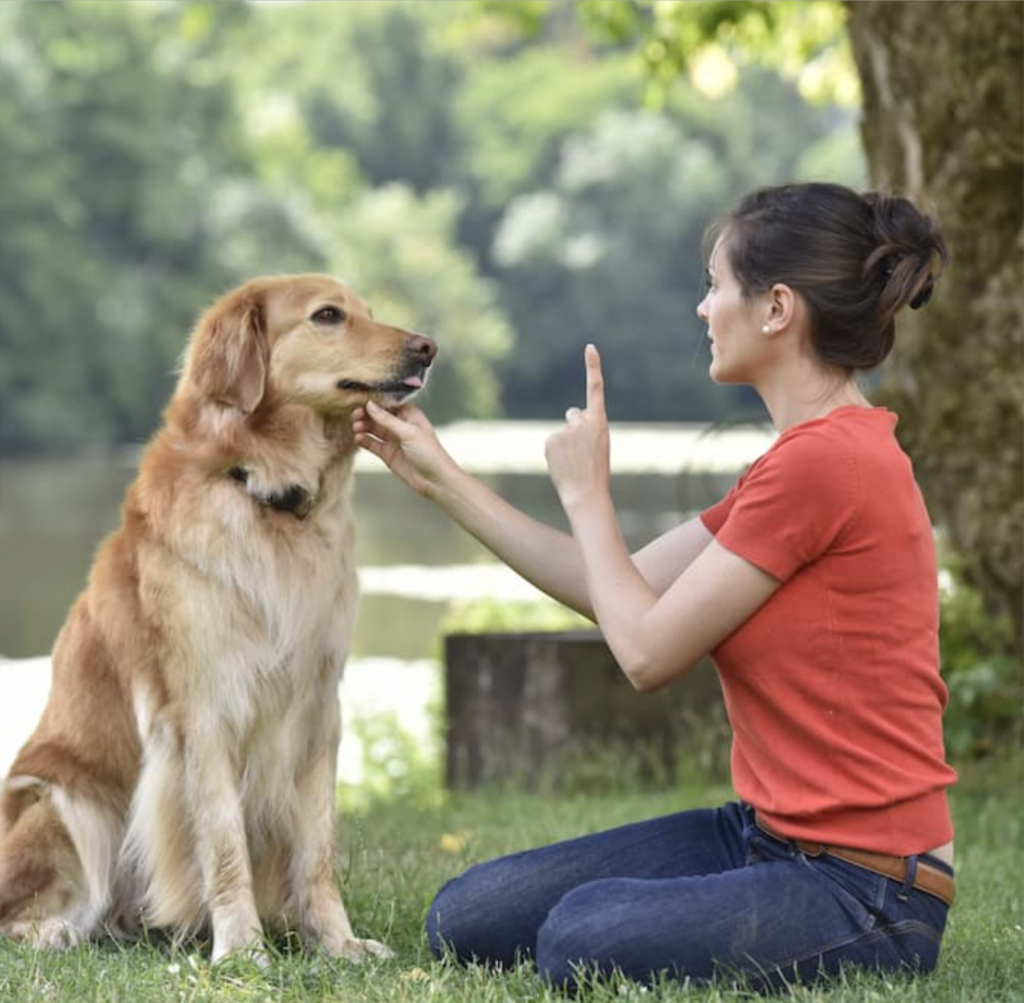
Training pets can sometimes feel like a daunting task, but with the right methods, it evolves into a rewarding experience. Positive reinforcement techniques have gained popularity over the years, praised for their effectiveness and humane approach. These methods don’t just encourage good behavior but also nurture a strong bond between pets and their owners. Here, we delve into the top five positive training techniques tailored especially for dogs and cats. These methods, whether you are teaching simple commands or complex tricks, can turn your training journey into an enjoyable experience for both you and your furry friends.
5. Clicker Training
Clicker training is a highly esteemed technique rooted in the principles of operant conditioning. Using a small handheld device that emits a distinct, consistent clicking sound, pet owners can communicate with clarity and precision. The procedure is straightforward: as soon as your pet exhibits the desired behavior, you click the device and then reward them with something delightful like a treat or verbal praise.
The strength of clicker training lies in its ability to clearly mark the behavior you wish to reinforce. The click serves as an immediate signal to the pet that they have done something correctly. This helps them draw a direct link between the action and the forthcoming reward. Whether you’re teaching basic commands like “sit,” or pinpointing more elaborate tricks like fetching or agility drills, clicker training can be remarkably effective. Consistency in the use of the clicker, coupled with patience, can dramatically enhance learning outcomes. In fact, professional trainers often advocate this method for both its efficiency and the enthusiastic engagement it fosters in pets.
4. Target Training
Target training involves using a specific target object, commonly a stick or even your hand, that your pet is encouraged to touch with their nose or paw on command. This method transforms training into a vibrant and interactive activity that pets often find captivating.
The initial step is to familiarize your pet with the target. Reward them whenever they make contact with it. Once the connection between touching the target and receiving a reward is established, you can start introducing more challenging tasks or intricate sequences. Target training isn’t just about compliance; it stimulates mental faculties, encouraging pets to think critically. This technique is versatile and can be adapted to suit the unique personality and interests of your pet. It also holds a social component, where pets learn to respond to non-verbal cues and gestures, enhancing communication.
3. Luring
Luring is a straightforward yet powerful training technique that leverages treats to guide your pet into performing certain actions. Essentially, you present a treat in front of a pet’s nose, leading them to the desired position such as sitting, staying, or even following along on a walk. The instant they complete the task, you reward them.
The principal advantage of luring is its ability to command a pet’s immediate attention, ensuring they understand exactly what’s being asked. Young pets, particularly puppies and kittens, may show faster learning curves with this approach as their curiosity and eagerness to gain treats accelerates their learning process. Over time, the necessity of treats diminishes as verbal commands take precedence, but initially, luring can be remarkably effective. The key lies in maintaining regular practice sessions, which promote swift learning and adaptation to verbal cues.
2. Relationship Building
At the heart of all positive training techniques is the crucial process of relationship building. Establishing a strong bond with your pet is not just an optional activity; it’s a core component that enhances all forms of training. An environment filled with trust and affection is vital, helping foster a sense of security and eagerness to learn.
Invest time in quality activities such as interactive play, grooming, or simply hanging out, which helps reduce anxiety levels and improve your pet’s readiness to participate in training. Paying attention to your pet’s body language is also paramount. Familiarizing yourself with signs of stress or discomfort enables you to adjust your approach, ensuring a stress-free, positive learning experience for your pet. As your relationship deepens, your pet becomes more receptive, viewing training as an extension of play rather than a chore.
1. Consistency and Patience
The glue that holds positive reinforcement techniques together is consistency and patience. Without these, even the best techniques can falter. Ensure that your approach is uniform; using the same commands for specific actions and making certain every family member abides by these practices avoids confusing your pet.
It’s essential to remember that each pet is unique, with distinct learning paces and behavioral quirks. Practice genuine patience, paving the way to understand their capabilities and inclinations. Celebrating even the smallest triumphs accentuates the journey, gradually building a structured, positive environment where both trainer and pet thrive. This consistency not only anchors a routine but also predicts long-term success.
Incorporating these positive reinforcement techniques into your training regimen can help cultivate a harmonious relationship with your furry companions. With dedication, patience, and love, training transitions from a mere task to a deeply rewarding experience, brimming with mutual respect and joy.
Técnicas de Adestramento Positivo, or Positive Reinforcement Training techniques for dogs and cats, offer a unique and constructive approach to animal training. This methodology not only encourages good behavior but also strengthens the bond between pets and their owners. By employing these techniques, pet owners can discover a more productive and harmonious way to interact with their furry companions.Behavior modification stands out as one of the most pivotal categories within this training framework. With the use of rewards such as treats or praise, owners can encourage desirable behaviors. This approach provides a stark contrast to traditional punitive methods, leading to a more nurturing and supportive environment for pets to thrive. Furthermore, positive reinforcement is proven to decrease aggression and fear-based reactions in animals, offering a safe alternative for behavioral improvement.Alongside behavior modification is the significant benefit of strengthening the bond between pets and their owners. Through positive interactions, pets develop a sense of trust and security with their humans, vital for a happy and emotionally stable pet. Engaging in training exercises not only helps in teaching commands but also connects owners and pets on a deeper level, making everyday life more fulfilling for both parties.Engagement through play cannot be overlooked in the positive reinforcement equation. Training doesn’t have to be a chore; it can be a fun, rewarding experience that includes games and playful activities. This method is especially effective for high-energy animals, ensuring they receive both physical exercise and mental stimulation. The incorporation of play in training keeps pets engaged and motivated, resulting in enhanced performance and behavioral outcomes.Finally, it is important to highlight that these techniques are scientifically grounded, making them both effective and ethical. Rooted in principles of behavioral psychology, positive reinforcement training utilizes established research to bolster its methods, ensuring that animals are treated humanely while still achieving training goals. This reliance on science ensures that pet owners are equipped with the best possible tools for training their companions—tools that respect animal welfare while promoting positive outcomes. As you delve further into the world of positive reinforcement training, consider how these techniques can transform your approach to pet care and behavior management. Engaging with your pet through kindness and reward will undoubtedly lead to a richer, more enjoyable relationship.
Frequently Asked Questions About Positive Training Techniques for Dogs and Cats
What are positive reinforcement training techniques?
Positive reinforcement training techniques involve rewarding pets for desired behaviors. This approach focuses on the use of treats, praise, or toys to reinforce good behavior, as opposed to punishing undesired actions. Studies have shown that animals trained with positive reinforcement learn more effectively and have a stronger bond with their owners.
How do I start positive training with my cat or dog?
The first step to initiating positive training is to identify what rewards motivate your pet. For dogs, this may include treats, favorite toys, or verbal praise. Cats might respond better to treats or interactive toys. Begin by rewarding your pet immediately after they perform a desired action, ensuring a clear connection between behavior and reward. Consistency and patience are key: practice in short, regular sessions to maintain your pet’s interest.
Are there specific techniques recommended for both dogs and cats?
While there are overlapping techniques, some are particularly effective for each species. For dogs, techniques like clicker training are popular. It involves a clicking sound to signal the exact moment a desired behavior occurs, followed by a reward. Cats often respond well to target training, where they learn to touch a target, like a stick tip, in exchange for a treat. Regardless of the method, always focus on rewarding positive behavior to encourage repetition.
Can positive reinforcement address behavioral problems in pets?
Yes, positive reinforcement can be an effective strategy for addressing a range of behavioral problems. By rewarding alternative behaviors that you want to encourage, you can gradually replace unwanted behaviors. However, if a behavior problem is deeply ingrained, it may be beneficial to consult a professional trainer or a veterinarian specializing in animal behavior to design a targeted plan.
How long does it take to see results with positive training?
The timeline for seeing results can vary based on factors such as the pet’s age, personality, and history. Some pets may learn new behaviors quickly, while others may take weeks of consistent training. Patience and consistency are crucial. It’s important to celebrate small victories and acknowledge each step of progress to maintain motivation and foster continuous improvement in your pet’s behavior.
Conclusion: Positive Training Techniques for Dogs and Cats
The use of positive training techniques has dramatically transformed the way we interact with our pets. By focusing on reinforcement, patience, and understanding, this approach promotes a harmonious relationship between pets and their owners. The core principle is to encourage desired behaviors through rewards rather than punishment, making the learning process enjoyable for both pets and humans.
Throughout the article, we examined the key components of positive training: using rewards such as treats and praise, understanding individual pet behaviors, employing consistent communication, avoiding harsh reprimands, and ensuring a stress-free environment. These techniques not only enhance obedience but also solidify the emotional bond owners share with their pets. Furthermore, these methods are particularly effective in addressing common behavioral issues, creating a more positive and resilient relationship.
It is essential to recognize the long-term benefits of positive training methods. Beyond the immediate improvements in behavior, this type of training fosters a sense of trust and security. Pets trained with positive reinforcement tend to be more confident and less anxious, which is vital for their overall well-being. Additionally, this approach is inclusive, catering to the unique needs of both dogs and cats, making it adaptable to various temperaments and situations.
In conclusion, embracing positive training techniques is not only a humane choice but also a practical one that can lead to happier pets and satisfied owners. For those interested in delving deeper, exploring these methods further could open new doors to understanding and enhancing the intricate relationships we have with our beloved companions. This journey of mutual learning and respect truly exemplifies the profound connection between humans and animals.