Puppy Socialization Strategies Prepare Your Pet for the World

Introduction
Welcoming a new puppy into your home is an exciting experience, but it’s also a significant responsibility. Socialization plays a crucial role in a puppy’s development, shaping how they interact with other dogs, animals, and humans. Proper socialization can prevent behavioral issues and create a confident and well-adjusted adult pet.
Understanding the right strategies can set the foundation for your puppy’s future. The first few months are critical for absorbing experiences and learning the social cues they will encounter throughout their lives. To help guide you, we’ve compiled a list of the Top 5 Puppy Socialization Strategies that will prepare your furry friend for the world outside.
- Exposure to Different Environments: Introduce your puppy to various settings.
- Positive Interactions: Encourage safe and friendly encounters with other pets.
- Enrichment Activities: Utilize toys and games to enhance learning.
- Controlled Social Groups: Join puppy classes for supervised socialization.
- Consistent Routine: Establish a daily practice for exposure and training.
Exploring these strategies will equip you with the tools needed to nurture a well-rounded companion. Let’s dive into each method and discover how they contribute to your puppy’s social prowess.
Top 5 Strategies for Puppy Socialization: Preparing Your Pet for the World
Bringing home a new puppy is an exciting time filled with affection and joy. However, amidst all the cuddles and play, it’s essential to recognize your role in your puppy’s emotional and social development. Socialization is a crucial part of raising a well-adjusted pet, setting the groundwork for their interactions with people, animals, and the environment. A well-socialized puppy is often more resilient and less prone to behavioral problems. Below, we explore the top five strategies to help prepare your pup for the diverse experiences life offers.
5. Gradual Exposure to Stimuli
The outside world is a cacophony of new experiences for your puppy, fraught with sounds, sights, and smells that are entirely new to them. The key to successful socialization is gradual exposure. Introducing your puppy to these elements slowly helps prevent overwhelming them, which can result in anxiety or fear.
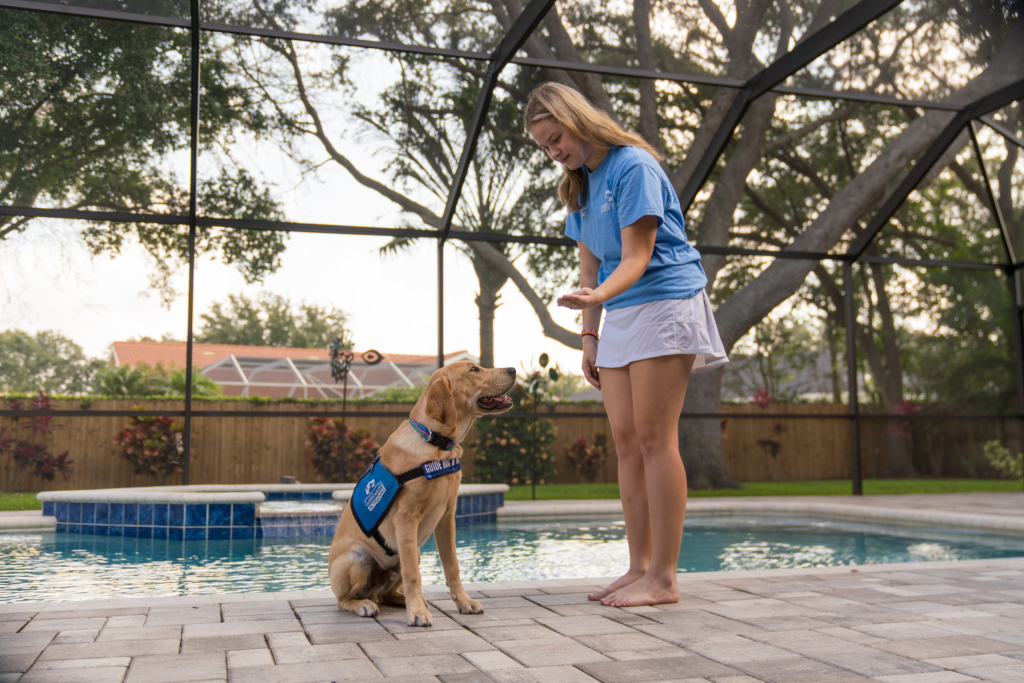
Imagine starting in a controlled environment like your living room or backyard, where your puppy feels safe. Introduce new stimuli such as the sound of cars, voices, or household appliances softly at first, so your puppy can adjust slowly.
Key Tips:
- Start with familiar environments before broadening their world.
- Observe your puppy’s comfort levels; if they show signs of fear or stress, reduce the intensity of exposure.
- Utilize treats and praises as positive reinforcement to establish positive connections with new stimuli.
Gradual exposure not only builds confidence but also fosters a calm demeanor, equipping your puppy with the skills to handle any situation gracefully.
4. Controlled Playdates
As your puppy grows, interaction with other dogs is crucial. Controlled playdates offer the perfect setting for your puppy to learn social cues and engage in playful behaviors. However, not all dog interactions are beneficial. It’s vital to ensure that the dogs your puppy meets are healthy, vaccinated, and have a good disposition.
Hosting playdates in neutral places like parks ensures neither dog feels territorial, paving the way for natural interaction. This not only promotes physical exercise but also enriches the puppy’s social skills.
Key Benefits:
- Facilitates the learning of appropriate social cues, such as recognizing when another dog wants to play or be left alone.
- Promotes safe interactions that boost confidence and social savvy.
- Enables your puppy to mimic positive behaviors from other well-behaved dogs.
By carefully selecting playmates and settings, your puppy will develop into a well-mannered dog, unafraid of canine interaction.
3. Introducing New Environments
Expanding your puppy’s horizons by exposing them to new environments is not just about variety; it’s about adaptability. The more diverse environments they experience, the more confident and flexible they become in unfamiliar settings. From parks with various landscapes to different indoor venues, each new environment offers a learning opportunity.
Consider visiting pet-friendly stores or participating in community puppy classes. These experiences help condition your puppy to new sounds and smells among people and other animals, establishing them as normal parts of life.
Strategies for Diverse Experiences:
- Variation is key: explore beaches, forests, or even busy urban streets.
- Allot time for car rides to acclimate them to the motion and sounds of travel.
- Introduce different surfaces—such as grass, concrete, or sand—to enhance their sensory experiences.
Through exploration, puppies learn adaptability—an essential trait for lifelong resilience and confidence.
2. Positive Association with People
Puppies must learn to interact comfortably with people outside your immediate family. Introduce your puppy to a variety of individuals of different ages, sizes, and appearances. This exposure helps them understand that humans are friendly and safe.
Make sure these encounters are positive by supervising interactions closely and encouraging guests to offer gentle interactions paired with positive reinforcement, like dog treats or affectionate petting.
Consider These Tips:
- Organize small gatherings at home so your puppy can meet people in a controlled environment.
- Encourage people to approach at the puppy’s comfort level, often on their knees to reduce size intimidation.
- Explain to others how to handle and greet the puppy, ensuring they respect your dog’s signals and boundaries.
These positive encounters help build your puppy’s trust in humans, fostering a sociable and happy demeanor.
1. Puppy Socialization Classes
There’s no substitute for the expertise and structure provided by puppy socialization classes. These classes are designed to introduce your puppy to new stimuli effectively while incorporating essential training components in a safe and monitored setting.
The instructors are typically knowledgeable professionals who can interpret puppy behavior and guide you on fostering positive interactions. Engaging in these classes not only benefits your puppy but also educates you as an owner on training and nurturing your pet.
Benefits of Puppy Classes:
- Offer a structured environment where puppies learn through guided interactions.
- Professional oversight ensures each puppy’s unique needs and temperaments are addressed, reducing behavioral risks.
- Encourages familiarity with other dogs and new experiences, boosting confidence.
By participating in these sessions, you invest in a broad foundation for your puppy’s development, guiding them to become an adaptable and confident adult dog.
Implementing these five strategies can significantly contribute to your puppy’s emotional and social growth. Whether through gradual exposure, playdates, new environments, diverse human interactions, or professional classes, each step carefully molds your pup into a friendly, well-rounded companion. The journey of socializing your puppy is a rewarding process, preparing your furry friend for many joyful adventures in their lifetime.
| Category | Details |
|---|---|
| Early Exposure | Introducing your puppy to different environments, sounds, and people enhances their adaptability. |
| Positive Reinforcement | Using treats and praise during socialization promotes confidence and establishes a trusting bond. |
| Social Playdates | Organizing interactions with other vaccinated and friendly dogs encourages appropriate social behaviors. |
| Controlled Environments | Using puppy schools or puppy socialization classes can provide supervised environments for learning and exploration. |
Providing pets with the right strategies for socialization is more than just an early task. It’s essential for their overall well-being and integration into the human world. The key to a well-adjusted dog lies in how adept they are at navigating diverse situations they encounter.First, emphasizing early exposure cannot be overstated. During their critical socialization period, typically between 3 to 14 weeks of age, puppies are highly receptive to new experiences. Comprehensive exposure during this phase can lead to significantly better-adjusted adults. Engaging them in various environments, such as parks, crowded streets, or even pet-friendly stores, allows them to process new stimuli, reducing the likelihood of fear-related behaviors in adulthood.Moreover, employing the technique of positive reinforcement establishes a foundation of trust. Every new experience can be paired with treats, affection, or toys, affirming that new encounters are enjoyable rather than frightening. This method not only builds confidence in your pet but also enhances the bond between owner and dog, paving the way for a harmonious relationship.In addition to individual experiences, social playdates are instrumental in teaching puppies vital doggie etiquette. When your puppy interacts with well-mannered peers, they learn appropriate behaviors, such as play styles and communication cues. It’s crucial to facilitate these playdates with properly vaccinated and sociable dogs to ensure a positive experience that will encourage your puppy to engage willingly.Lastly, utilizing controlled environments like puppy schools provides an excellent platform for structured socialization. In such settings, professional trainers guide interactions, ensuring that learning occurs in a safe manner. Beyond teaching basic obedience, these classes foster essential social skills as puppies engage in group activities, paving the way for better-adjusted future companions.As pet owners embark on this journey to socialize their puppies, they will discover that the principles of early exposure, positive reinforcement, social playdates, and controlled environments not only nurture their pets’ natural curiosity and friendliness but also build them into well-rounded adult dogs.
Frequently Asked Questions on Puppy Socialization Strategies
Why is socialization important for my puppy?
Socialization is crucial because it helps puppies develop into well-adjusted, confident adults. Exposure to various people, environments, and other animals can prevent behavioral issues like aggression or fearfulness. Puppies that are well-socialized are typically more adaptable and less stressed in unfamiliar situations, contributing to a harmonious life with their families.
When should I start socializing my puppy?
The optimal period for puppy socialization is usually between 3 and 14 weeks of age. During this time, puppies are generally more receptive to new experiences. Initiating socialization early can help lay the groundwork for a well-rounded dog. However, the process should continue into adulthood to reinforce positive behaviors.
What are some effective socialization strategies for puppies?
Effective socialization strategies include exposing your puppy to different environments, sounds, and sights. Consider arranging positive interactions with people of different ages and appearances, and let them meet other vaccinated dogs. Puppy classes are also valuable, providing structured social experiences under professional guidance.
Is it safe to socialize my puppy before they are fully vaccinated?
While it’s important to be cautious, experts agree that the risks of insufficient socialization outweigh the risks of disease. Take simple precautions such as avoiding places with high dog traffic and ensure interactions are with healthy, vaccinated pets. Consult with your veterinarian on the best approach for your puppy’s health.
How can I tell if my puppy is overwhelmed during socialization?
Puppies can easily become overwhelmed during socialization. Signs of stress include cowering, trembling, or attempting to flee. If your puppy displays these behaviors, remove them from the situation and give them a moment to recover. Gradually increasing the intensity of experiences can help them acclimate without becoming overly stressed.
Conclusion: Preparing Your Pet for the World
Socializing your puppy is a crucial step in ensuring their development into a well-adjusted adult dog. Throughout this article, we explored various strategies that can effectively socialize your pet, setting them on the path to being comfortable and confident in diverse environments.
Firstly, it is vital to emphasize the role of early exposure to new experiences, people, and other animals. Introducing your puppy to different situations during their formative weeks can foster adaptability and prevent future behavioral issues.
Another important aspect is ensuring these experiences are positive and safe. By controlling the environment and gradually increasing the complexity of interactions, you reinforce a sense of security in your puppy, making them more likely to respond well to unfamiliar situations in the future.
Additionally, the article highlighted the benefits of enrolling your pet in training classes. These classes offer structured environments where puppies can learn obedience and social cues from both humans and fellow canines. This type of learning can significantly enhance their social skills and confidence.
Moreover, understanding your puppy’s unique temperament and respecting their pace is fundamental. Encouraging them without applying overwhelming pressure is key to nurturing a trusting relationship.
Final Thoughts
In conclusion, successful socialization is about creating a foundation of trust and confidence. These strategies not only prepare your pet to face the world but also enhance the bond you share. The journey doesn’t stop here; continuous learning and exposure to new experiences are paramount to maintaining a happy, social pet. As the well-being of our furry companions hinges on their ability to interact harmoniously with the world around them, it becomes evident that the investment in socialization is truly invaluable. For pet owners willing to enrich their pets’ lives, these strategies serve as a roadmap to a fulfilling, joyful journey together.