Socialization Strategies for Dogs: Preparing Your Pet for Interactions

Why Dog Socialization Matters
Socializing your dog is more than a mere routine; it is a fundamental element of their development that can significantly affect their entire life. A well-socialized dog is not just more pleasant to be around but also possesses a range of qualities that contribute to harmonious living—not just for them, but for their human companions as well. Dogs that have undergone proper socialization tend to exhibit traits such as increased confidence, friendliness, and a marked decrease in fearfulness towards unfamiliar situations.
Key Benefits of Dog Socialization
- Reduces Anxiety: One of the primary advantages of regular socialization is its capacity to reduce anxiety. When dogs interact consistently with a variety of people and other animals, they become less likely to react with fear or aggression. For instance, a dog that has been exposed to various environments, from bustling streets to quiet parks, is better equipped to handle unexpected noises or sudden movements without panic.
- Improves Behavior: Dogs that are socialized effectively often display improved behavior both in public and at home. These pets are usually better at obeying commands, even amidst distractions. For example, a well-socialized dog can sit calmly in a crowded café or during a family gathering, making outings more enjoyable for everyone involved.
- Promotes Health: The advantages of socialization extend beyond behavioral improvements; they also contribute to a dog’s overall health. Engaging with other pets fosters not just friendships but also encourages physical activity, keeping your furry friend fit. Mental stimulation from new experiences can combat boredom, which is crucial for preventing destructive behaviors.
Understanding and implementing effective socialization strategies is vital for every dog owner. To promote positive experiences, your approach should encompass various environments and circumstances. Here are some effective methods to consider:
- Controlled Environments: Participating in dog parks or training classes creates a secure atmosphere for your pooch to interact with both humans and other dogs. These controlled settings allow for crucial experience without the unpredictability of other settings.
- Positive Reinforcement: Rewarding your dog for good behavior during social encounters—whether it’s a treat, praise, or a favorite toy—fosters a connection between social interactions and positive outcomes. For example, if your dog stays calm while meeting a new friend, rewarding them will reinforce that behavior, making them more likely to act similarly in the future.
- Gradual Exposure: Introducing new experiences and stimuli slowly helps avoid overwhelming your pet. A dog frightened by loud noises, for example, can be gently acclimated to them over time, facilitating a more confident response as they become more accustomed to varied environments.
By taking the time to understand and apply these strategies, you can cultivate a richer, healthier life for your dog. Not only does effective socialization prepare your furry friend for the complexities of life in a bustling world, but it also enriches their interactions and lays the groundwork for quality relationships with other animals and humans alike. The benefits of socialization are undeniable; they empower you and your canine companion to thrive together in a society populated by both people and pets.
DIVE DEEPER: Click here to discover the vital role of a balanced diet for your pet’s health
Implementing Socialization Strategies
When it comes to socialization strategies for dogs, a proactive approach can provide a wealth of benefits for both your furry companion and your household. Early and consistent socialization is key, particularly in the critical developmental stages of a dog’s life. By focusing on various strategies, you can ensure your dog not only learns how to interact appropriately but also enjoys these experiences, leading to a well-adjusted pet.
Establishing a Socialization Schedule
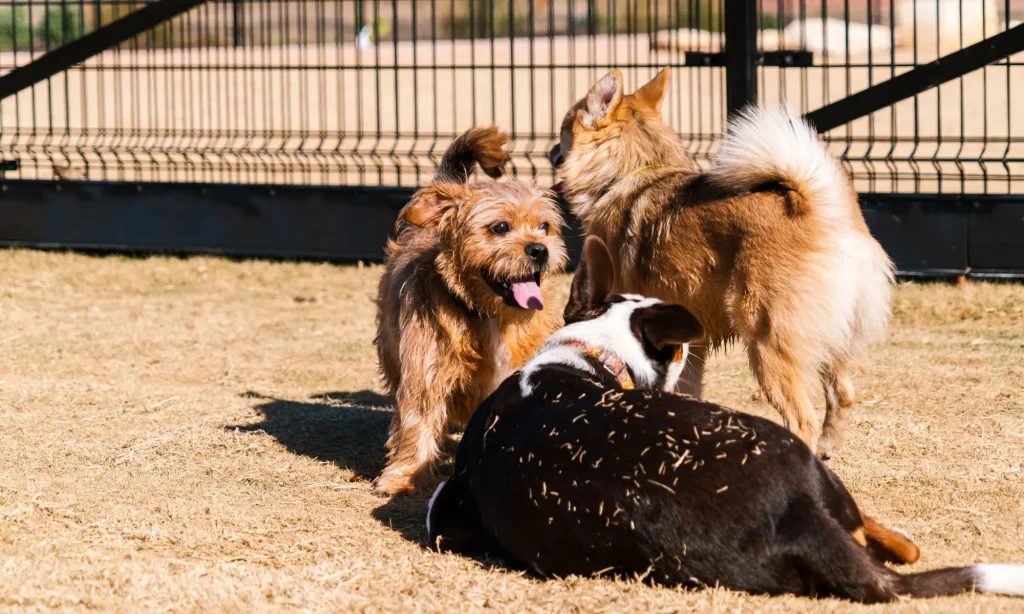
One effective strategy is to create a socialization schedule tailored to your dog’s needs. This schedule should include regular outings and interactions with other dogs and people to help familiarize them with different environments. Aiming for a mix of activities such as walks in busy parks, visits to pet-friendly stores, and participation in dog-friendly events can expose your pet to the sights, sounds, and scents they will encounter in everyday life.
- Weekly Outings: Plan short, frequent excursions that gradually increase in complexity. For example, start with a quiet neighborhood walk and progress to a crowded dog park or community event.
- Varied Locations: Take your dog to different locations such as pet stores, local cafes, and beaches. Each new environment presents unique stimuli that can broaden their comfort zone.
- Socialization with Different People: Encourage your dog to meet various individuals, such as children, elderly folks, and people wearing hats or glasses. This kind of exposure reduces the likelihood of fear-based reactions to unfamiliar faces.
Utilizing Group Classes and Workshops
Group training classes or workshops are another instrumental part of effective socialization. These settings not only teach dogs essential obedience skills but also allow them to interact in a controlled environment with other dogs. Skilled trainers can guide interactions, ensuring that your dog learns to behave appropriately amidst distractions while also facilitating positive experiences with their peers.
Additionally, consider enrolling your dog in specialized classes that focus on specific skills or socialization techniques. Programs like pet therapy or agility classes can enhance your dog’s confidence and make social situations fun.
The Role of Body Language and Communication
A fundamental component of dog socialization is understanding canine body language. By observing how your dog communicates and reacts during interactions, you can proactively manage situations that may be overwhelming or stressful for them. Watch for signs of discomfort, such as tucking tails, excessive barking, or refusal to engage. Managing these signals not only protects your dog but also shapes future interactions. Engaging actively with your dog during these moments helps reinforce their trust in you and builds their confidence simultaneously.
By implementing these structured socialization strategies, you prepare your dog to navigate the world with assurance and composure, paving the way for lasting positive relationships with both people and other pets. As you embark on this journey, remember that patience and consistency are essential; the rewards of a well-socialized dog are invaluable.
Understanding the Importance of Dog Socialization
Socialization is a critical aspect of your dog’s development. Early and consistent socialization helps to ensure that dogs grow into well-adjusted adults capable of coping with various environments, people, and other animals. When dogs are properly socialized, they are less likely to exhibit behavioral issues stemming from fear or anxiety. To effectively socialize your dog, it’s essential to expose them to a variety of experiences. This includes meeting new people, encountering different types of animals, and introducing your dog to various environments, such as busy streets or quiet parks. Bringing your dog to pet-friendly events or puppy classes can also significantly enhance their social skills. Moreover, understanding dog body language plays a substantial role in facilitating successful interactions. Recognizing signs of stress or discomfort can help you manage situations better and prevent negative experiences that might hinder your dog’s ability to socialize.
Practicing Positive Reinforcement
Positive reinforcement is a powerful tool in dog training and socialization. By rewarding your dog with treats, praise, or playtime when they exhibit calm behavior in social situations, you encourage repeated positive interactions. This not only strengthens the bond between you and your dog but also builds their confidence during encounters with new stimuli.Incorporating structured socialization sessions can provide controlled environments for your dog to practice their skills. For instance, you might invite a friend over with a well-socialized dog. This allows for guided interactions where you can reinforce positive behaviors while making corrections as needed.It’s important to remain patient and consistent during this process. Some dogs may take longer to adjust than others, and the goal should always be to create a safe and enjoyable experience for your pet.
| Category of Strategy | Description |
|---|---|
| Exposure to Different Environments | Introduce your dog to bustling areas, parks, and quiet places to adapt to varying stimuli. |
| Structured Playdates | Arrange meetings with other well-socialized dogs to promote positive interactions and reinforce learning. |
By applying these strategies diligently, you will greatly enhance your dog’s social skills, making future interactions a rewarding experience for both you and your pet. The key is to remain proactive, patient, and observant, fostering a well-adjusted companion ready to engage with the world.
LEARN MORE: Click here to discover hypoallergenic dog breeds
Creating Positive Experiences Through Play and Interaction
In addition to formal outings and training sessions, integrating play and interaction into your dog’s socialization strategy can significantly enhance their adaptability in social situations. Dogs are inherently social animals, and play not only helps them relax but also encourages positive interactions with others. Understanding how to facilitate healthy play is crucial.
Playdates with Other Dogs
Organizing playdates with well-socialized dogs can be a fantastic way for your pet to engage in fun interactions. Choose dogs that match your dog’s energy levels and temperament to ensure a harmonious outing. During these playdates, observe their interactions closely. If your dog shows signs of stress or discomfort, it may be necessary to take a step back and introduce them to new friends gradually.
- Choose Safe Locations: Pick a familiar, secure space free from distractions where dogs can safely play off-leash. This could be a friend’s yard or a designated dog park.
- Monitor Play Styles: Each dog has its own play style. Observe how your dog interacts—whether they are more pushy or submissive—and adjust the playdate composition accordingly.
- Introduce New Dogs Slow: If your dog is meeting a new dog for the first time, allow both dogs to sniff each other while keeping their bodies loose and relaxed. Avoid overwhelming them with too many new faces at once.
Engaging in Structured Activities
Participating in structured play activities such as fetch or tug-of-war can help reinforce positive behavior while simultaneously teaching your dog to share space respectfully with others. These activities serve as a good opportunity for training commands like “drop it” or “leave it,” which promote essential control over their impulses.
Moreover, activities that require teamwork, like dog agility or obedience trials, can help strengthen your bond while fostering social skills. These pursuits not only encourage proper etiquette but also give your pet a sense of accomplishment that can significantly boost their overall confidence.
Exploring the Role of Desensitization
Desensitization is another vital approach, particularly for dogs that may be fearful of certain stimuli, such as loud noises or unfamiliar environments. The process involves exposing your dog gradually to the source of their fear in a controlled manner. Here are some tips for effective desensitization:
- Start Small: Begin with a low-intensity version of the stimulus—for example, if your dog is afraid of vacuums, play a recording of the sound at a low volume while providing treats.
- Increase Exposure Gradually: As your dog becomes more comfortable with the stimulus, gradually increase the volume or proximity to the source. Always pair these experiences with positive reinforcement.
- Use Real-Life Scenarios: Engage your dog in real-life situations that involve their fears, like incorporating bustling street walks or noisy parks after they have indicated comfort with lesser stimuli.
Implementing these engaging and proactive strategies will solidify your dog’s socialization and prepare them for positive interactions in a variety of situations. From enthusiastic playdates to gradual desensitization, a well-rounded approach that encompasses fun and functional experiences can lead to a happier, healthier, and more sociable companion.
DISCOVER MORE: Click here for essential insights
Conclusion
In conclusion, successfully socializing your dog requires a multifaceted approach that combines structured activities, play, and gradual desensitization to various stimuli. By creating a solid foundation of positive experiences, you enable your furry companion to navigate social situations confidently and comfortably. Engaging in playdates with well-socialized dogs allows your pet to build crucial social skills while having fun, provided these interactions are monitored to ensure they remain stress-free. Additionally, incorporating structured activities can enhance your dog’s focus and reinforce desirable behaviors, ensuring they understand how to interact respectfully with others.
Furthermore, the process of desensitization is essential for dogs that may struggle with fears or anxiety, providing them with invaluable coping strategies to manage their surroundings. Remember that patience is key; gradual and controlled exposure can transform apprehension into assurance. As you embrace these well-rounded socialization strategies, not only will you enhance your dog’s ability to connect with both humans and other animals, but you’ll also strengthen the bond between you and your beloved pet.
Ultimately, a well-socialized dog is more likely to experience a richer life filled with opportunities for joy and companionship. With the right mindset and tools, you can prepare your pet not only for today’s interactions but also for a lifetime of happy and fulfilling experiences.