
The Benefits of Incorporating Play into Your Practice Routine for Enhanced Skill Acquisition
The Strategic Shift Towards Playful Skill Development
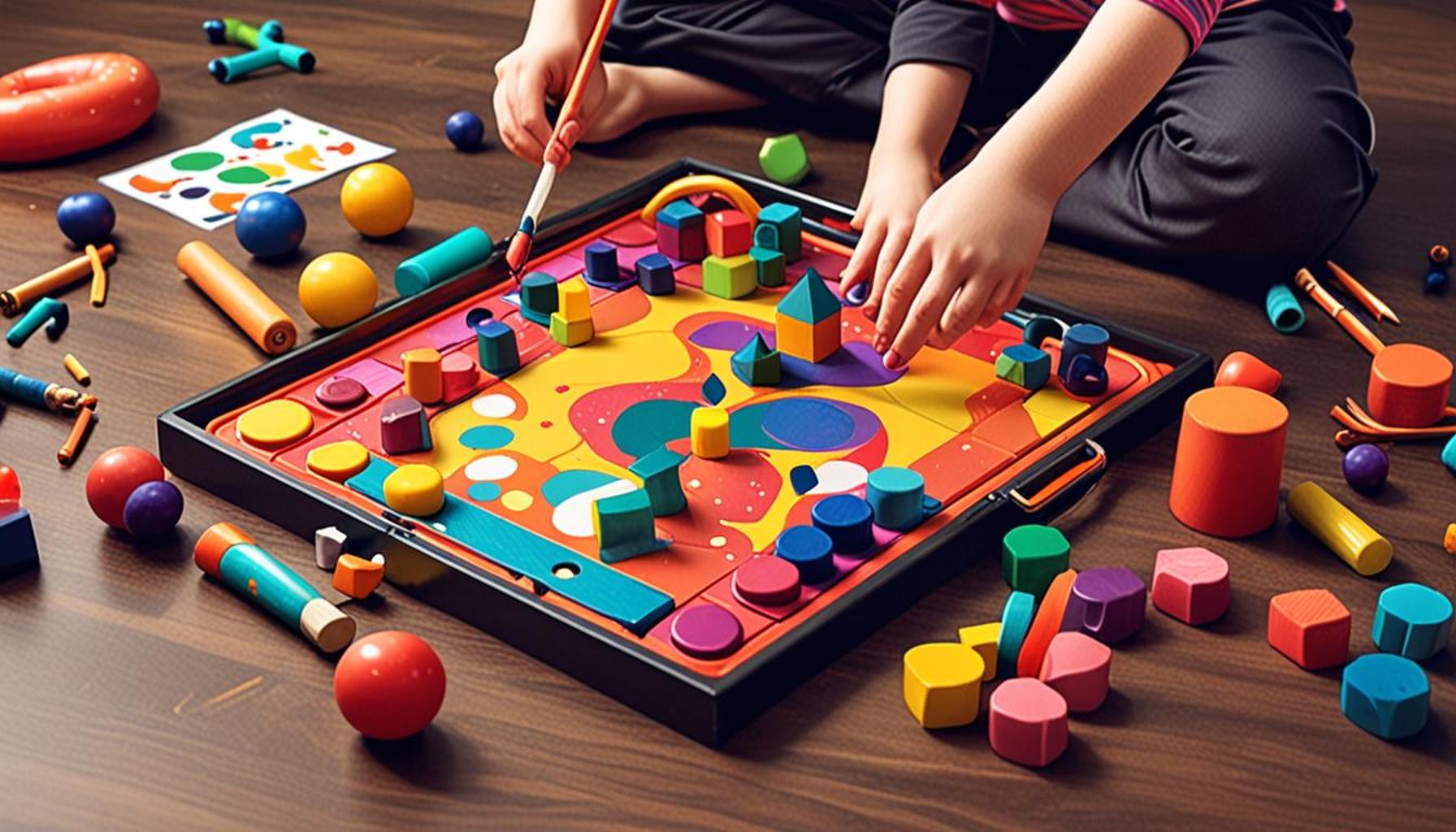
In recent years, educators and trainers have been exploring the unique benefits of incorporating play into routine practice. This innovative method transcends traditional learning paradigms, transforming skill acquisition into an enjoyable journey. By infusing playful elements into practice sessions, participants not only enhance their learning experience but also unlock an array of cognitive and social benefits.
Let’s delve into some compelling reasons to embrace this transformative approach:
- Improved Retention: Research indicates that learning through play activates areas of the brain associated with memory. For example, adults engaged in problem-solving games retain information longer than those involved in conventional drills. This means that skills learned through fun and engaging activities become more engrained, making it easier for individuals to recall and apply them in real-world situations.
- Increased Motivation: The psychological boost derived from playful methods fosters enthusiasm and eagerness to learn. When practice feels like a game, participants are more likely to remain committed. For instance, a language class that incorporates role-playing can spark interest and make the learning process not only informative but enjoyable.
- Enhanced Problem-Solving: Play typically involves navigating challenges and obstacles. It encourages individuals to think critically and adapt to unexpected scenarios. Think of how team-building exercises, which might include escape rooms or collaborative puzzles, promote creative thinking and quick responses to challenges—skills invaluable in both personal and professional domains.
- Stronger Collaboration: Play often necessitates teamwork, thereby bolstering social skills. Engaging in group games or sports can enhance communication and develop camaraderie among team members. For example, a workplace that incorporates playful activities into training processes can foster stronger bonds and increase productivity, as employees feel more comfortable collaborating with one another.
Moreover, the power of play is not limited to children; adults, too, benefit significantly from these techniques. Studies have shown that playful engagement can reduce stress and create a sense of community among participants. This positive environment leads to both personal development and enriched teamwork.
As we move forward, the question arises: how can educators and trainers effectively weave these playful techniques into traditional practice routines? By exploring various playful learning opportunities—such as gamified learning platforms, interactive workshops, or playful team-building activities—it is possible to create dynamic environments that enhance skill acquisition remarkably. Dive into your practice routines and discover how play can shift the paradigm of skill development, paving the way for a more engaging and effective learning experience!
DISCOVER MORE: Click here to unlock focused techniques
Unlocking the Power of Play: Key Elements for Enhanced Learning
The integration of play into skill practice is not merely a trend; it is a powerful educational strategy that has proven effective across various disciplines. This section delves deeper into the psychological and practical implications of incorporating playful techniques into practice routines. By understanding the mechanisms at play, individuals and trainers can capitalize on the myriad benefits this approach offers.
To fully appreciate the transformative potential of playful practice, consider a few notable aspects:
- Cognitive Engagement: When learning becomes interactive and enjoyable, cognitive engagement increases. Participants who engage in play are more likely to utilize critical thinking and problem-solving skills, as they are immersed in scenarios that require quick decisions and adaptability. For instance, when musicians participate in improvisational jams, their ability to think creatively and spontaneously enhances their overall musicality.
- Emotional Connection: Play allows individuals to form emotional connections with the learning material. Whether it’s through storytelling in a classroom or simulated scenarios in a corporate training session, these connections help learners relate personally to the content, leading to deeper understanding and retention. A recent study highlighted that students who engaged in role-playing as historical figures felt a greater emotional resonance with the subject matter, resulting in improved recall for exams.
- Flexibility in Learning Styles: Everyone learns differently. Play accommodates various learning styles by fostering an inclusive environment. Visual learners may thrive in interactive settings where visual aids are plentiful, while kinesthetic learners benefit from hands-on activities. For example, educators who incorporate board games into math lessons can provide diverse platforms for students to engage with mathematical concepts.
- Stress Reduction: The inherent enjoyment of play contributes to a lower-stress learning environment. This not only boosts morale but also enhances performance, as tension and anxiety can often hinder learning. In workplaces that embrace playful training methods, employees report higher job satisfaction and a greater sense of well-being, leading to improved productivity.
Moreover, the effective use of play in practice routines spans a variety of settings, from educational institutions to corporate environments. Games, simulations, and playful challenges can all serve as platforms for learners to explore their skills in an engaging way. As diverse as they may be, the key lies in creating an atmosphere where participants feel free to experiment, fail, and celebrate their successes. With the right balance, organizations can cultivate an innovative culture that drives both personal and professional growth.
The evidence is clear: play is not just for children; it holds significant value for adults as well. By tapping into the motivational and adaptive aspects of play, educators and trainers can create engaging routines that lead to enhanced skill acquisition. This shift encourages a comprehensive exploration of how practice can evolve, fostering not only skillful performers but also lifelong learners who embrace challenges with enthusiasm.
The Benefits of Incorporating Play into Your Practice Routine for Enhanced Skill Acquisition
Incorporating play into practice routines can revolutionize the way individuals acquire skills. This approach not only boosts engagement but also enhances learning efficacy. By integrating elements of play, practitioners can unlock several advantages that facilitate a deeper understanding and mastery of their respective disciplines. To illustrate these benefits, consider the following table that outlines key aspects related to the incorporation of play in skill acquisition:
| Advantage | Description |
|---|---|
| Increased Motivation | Engaging in playful activities makes practice enjoyable, boosting overall motivation. |
| Enhanced Creativity | Play encourages out-of-the-box thinking, leading to innovative solutions and adaptations. |
| Improved Retention | Using playful methods strengthens memory, making it easier to recall skills learned over time. |
| Social Connection | Games and playful activities foster social interaction, increasing collaboration and support among peers. |
By utilizing play as a tool, individuals not only acquire skills at a faster rate but also cultivate a passion for continuous learning. This holistic approach transforms traditional methods, making skill acquisition not just a task but an enjoyable adventure. Engaging with playful elements leads to a richer experience that enhances both personal growth and social connections, ultimately contributing to a healthier and more inspiring practice environment. Embracing this methodology is a step towards a more innovative and effective learning paradigm.
DISCOVER MORE: Click here to learn about the impact of user-generated content
Discovering Additional Dimensions of Play in Skill Development
While the advantages of incorporating play into practice routines are profound and multifaceted, there are additional dimensions that enhance skill acquisition in creative and innovative ways. Here, we delve into these dimensions, focusing on practical implications and examples that enlighten practitioners on how to seamlessly weave play into their routines.
One significant aspect of play is its capacity to foster collaboration and social interaction. In many practice environments, opportunities for collaboration are essential for personal and collective growth. Group activities, collaborative games, and team-building exercises not only enhance individuals’ skills but also promote communication and teamwork. For instance, in sports, team drills can include playful variations, such as playful scrimmages or obstacle courses, which keep athletes engaged while simultaneously honing their skills in a competitive yet enjoyable manner. Studies have shown that teams that engage in playful practices tend to develop stronger interpersonal relationships, which ultimately translates into better performance on the field.
In the realm of artistic expression, play is equally vital. Artists and actors use retreat settings where they can play with different mediums or enact improvisational scenes. This kind of play nurtures creativity while facilitating the exploration of new techniques without the pressure of judgment. A notable example is the use of theatre games in actor training. These games not only build confidence and expressive capabilities but also encourage actors to draw from their personal experiences, which enriches their performances and broadens their emotional range.
Integrating play into practice routines facilitates a growth mindset, an essential factor for skill development. When individuals engage in play, they often encounter challenges that require adaptability and resilience. This playful approach to learning fosters a mindset that embraces challenges as part of the learning process, encouraging individuals to persist in the face of setbacks. For example, tech companies frequently employ hackathons where developers compete to create innovative solutions in a playful environment. Not only does this spur creativity, but it also cultivates a culture where failure is viewed as a stepping-stone to success, reinforcing the growth mindset philosophy.
Furthermore, incorporating technology-driven play experiences, like virtual simulations and gamified learning platforms, has revolutionized how skills are acquired across various fields. In education, platforms such as Kahoot or Classcraft use game mechanics to engage students in learning. Such platforms make practice enjoyable and interactive while ensuring learners grasp complex concepts effectively. Similarly, in corporate training, virtual reality (VR) scenarios provide immersive opportunities for employees to practice decision-making and problem-solving in realistic environments, all while enjoying the process.
Finally, playful practice routines encourage a sense of community and belonging. In music, for instance, ensembles or bands play together, creating an atmosphere where members support and uplift each other through shared experiences. This sense of community fosters motivation and commitment, essential ingredients for skill acquisition. Collective play nurtures social bonds, enhancing individual growth while simultaneously strengthening the group as a whole.
The incorporation of play in practice isn’t just a pathway to improving skills; it is an invitation to think outside conventional boundaries. By fostering social interactions, enhancing a growth mindset, leveraging technology, and creating community, play opens doors to unparalleled opportunities for exploration, experimentation, and mastery in a variety of disciplines. Embracing play as a core component of practice can transform the learning landscape, uncovering new pathways for individuals to thrive both personally and professionally.
DISCOVER MORE: Click here to learn about leveraging peer feedback
Conclusion: Embracing Play for Transformative Skill Development
Incorporating play into practice routines is not merely a novel idea; it is a transformative approach that can significantly enhance skill acquisition across various fields. As we have explored, the advantages of engaging in playful practices extend far beyond mere enjoyment. They cultivate collaboration and creativity, foster a resilient growth mindset, and improve communication within teams, ultimately leading to optimized performance and deeper learning experiences. From sports to the arts and even the tech industry, the power of play is evident in how it brings individuals together, inspiring them to innovate and succeed collectively.
Furthermore, the advent of technology-driven play experiences offers exciting possibilities for immersive learning, making complex skill acquisition not just accessible but enjoyable. By adapting educational tools and training methods into engaging, game-like formats, individuals are more likely to embrace challenges and view failures as part of the growth journey rather than setbacks.
As we move forward, it is crucial for educators, coaches, and professionals to prioritize and integrate play into their practice routines. By doing so, we not only enhance the potential for skill mastery but also create an environment that celebrates exploration and community. The message is clear: when we embrace play as a fundamental element of practice, we open the door to enrich our experiences and unlock our true potential.
In conclusion, the question arises: is your practice routine incorporating the power of play? If not, it might be time to reassess and embrace this dynamic strategy for enhanced skill acquisition. The future of learning is playful, and the opportunities that lie ahead are limitless.