
The Benefits of Interaction with Animals in the Recovery of Patients Undergoing Treatment
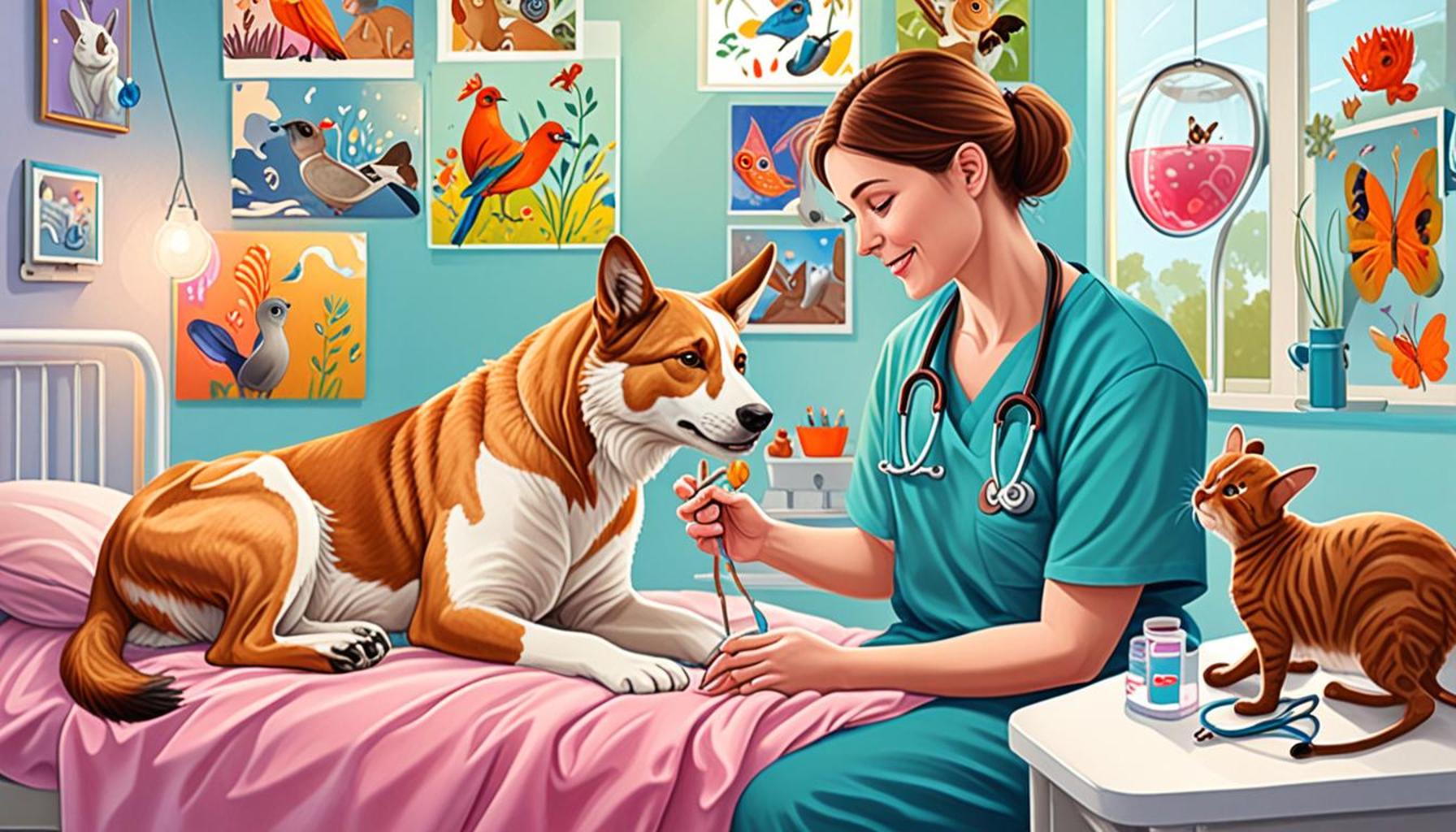
The Healing Effects of Animal Companionship
In recent years, the integration of animals into therapeutic practices has garnered increasing attention and recognition. This approach is particularly beneficial for patients navigating the challenges of treatment, where the presence of an animal can provide a sense of comfort and stability. A growing body of research supports animal-assisted therapy (AAT), which demonstrates its efficacy in enhancing emotional and physical well-being.
- Emotional Support: The companionship of animals has been shown to reduce feelings of anxiety and depression. For instance, therapy dogs are often brought into hospitals to soothe patients. In a study conducted at the University of California, researchers found that cancer patients who interacted with therapy dogs reported significantly lower anxiety levels and increased feelings of happiness.
- Physical Activity: Engaging with pets promotes movement, which is essential for recovery, especially in rehabilitation settings. For example, patients recovering from surgery may find motivation to get out of bed and take a stroll with a therapy animal, boosting their physical activity levels and aiding in rehabilitation.
- Social Interaction: Animals play a unique role in fostering connections between patients and caregivers. In a nursing home setting, for example, pets can facilitate conversations and interactions that might otherwise be difficult. Residents often bond over their shared love for animals, leading to enhanced emotional support and increased community engagement.
The advantages of interaction with therapy animals extend beyond emotional and physical support. Research has indicated that such interactions can lead to physiological benefits as well. Studies have shown that spending time with animals can lower blood pressure and heart rates, while stimulating the immune system. This is particularly important for patients who may have compromised immune responses due to illness or treatment.
What makes animal-assisted therapy exceptionally versatile is that it transcends age and demographic barriers. Whether serving young children in a pediatric rehabilitation facility or elderly residents in assisted living communities, these therapeutic interactions can yield significant benefits regardless of the patient’s stage of life.
As interest grows, the medical community is beginning to view animals not just as companions but as valuable therapeutic allies. Offering a holistic approach to healing, animal-assisted therapy presents a fascinating avenue for enhancing patient care. With so many potential benefits, it encourages further investigation into this enriching bond between humans and animals, sparking hope for better health outcomes across various contexts.
DISCOVER MORE: Click here for essential puppy socialization tips
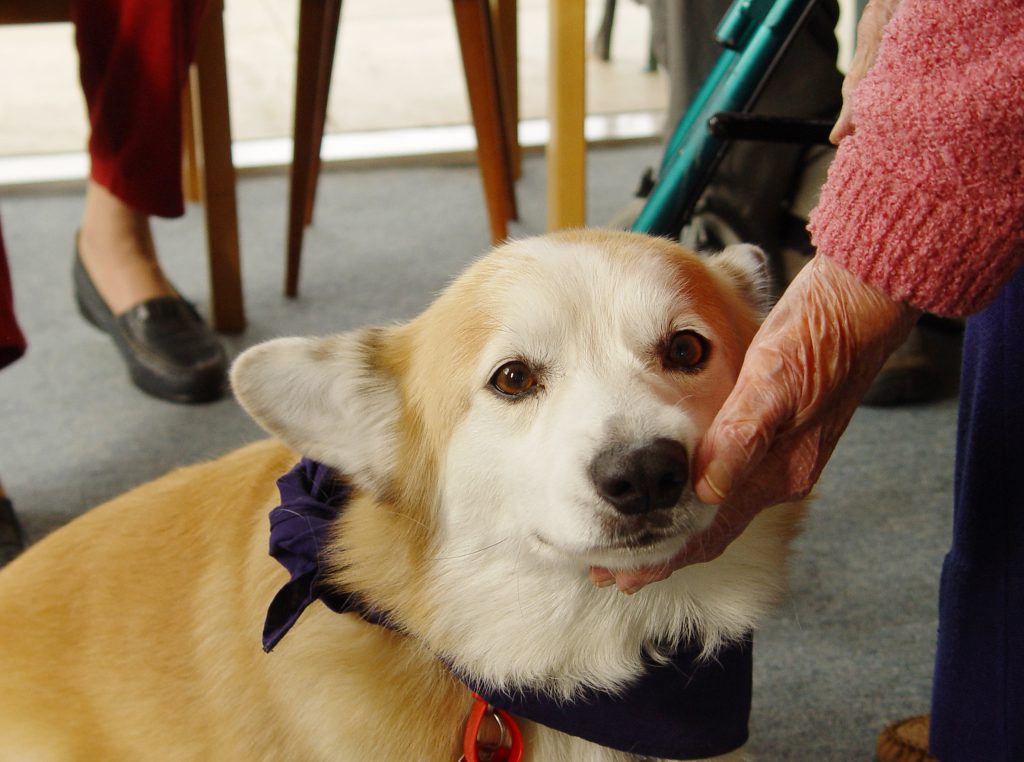
The Therapeutic Impact of Animal Companionship
In the realm of healthcare, the ideas of comfort and healing are no longer confined to medical procedures and prescriptions. Instead, the incorporation of animals into patient care has emerged as a powerful tool for recovery. The presence of therapy animals serves not only to alleviate emotional distress but also to promote an environment conducive to healing, making animal-assisted therapy (AAT) a focal point of innovative therapeutic practices. Studies reveal a variety of advantages that accompany interaction with animals during patient recovery.
One significant aspect of AAT is its ability to provide emotional comfort during challenging treatment processes. For example, a study conducted at the University of Pennsylvania demonstrated that individuals undergoing treatment for chronic illnesses exhibited markedly reduced levels of cortisol—commonly known as the stress hormone—after spending time with animals. This reduction in stress is crucial, as high cortisol levels can inhibit healing, thus emphasizing the importance of emotional support in recovery.
Engagement and Rehabilitation
Interaction with animals also plays an essential role in encouraging physical activity among patients. Physical rehabilitation can often feel daunting, especially for patients who are dealing with pain or fatigue. However, the presence of a supportive animal, such as a therapy dog, can transform these challenges into manageable tasks. As noted in a recent article published in the American Journal of Physical Medicine and Rehabilitation, patients were found to engage in up to 30% more physical activity when accompanied by a therapy dog compared to when they were alone. This increased activity not only facilitates recovery but fosters a renewed sense of motivation and independence.
- Increased Motivation: The presence of a therapy animal can encourage patients to set goals, whether that’s taking a few steps with the pet or participating in structured activities.
- Enhanced Mobility: Animals can prompt movement that patients might otherwise avoid, aiding in crucial rehabilitation exercises.
- Sense of Responsibility: Caring for an animal during therapy sessions instills a sense of purpose and responsibility, further motivating patients to engage in their recovery process.
Strengthening Social Bonds
Moreover, therapy animals act as catalysts for social interaction, which holds substantial therapeutic value. In clinical environments where patients may feel isolated or withdrawn, animals can bridge the gap between individuals and their caregivers. For instance, in mental health facilities, therapy dogs often facilitate interactions among patients, fostering a supportive community. Such connections are vital, as social support has been closely linked with improved health outcomes and recovery rates.
The multifaceted benefits of animal interaction during recovery demonstrate that animals can play an integral role in the healing environment. As healthcare systems increasingly adopt holistic approaches, understanding the impact of therapy animals continues to shed light on the comprehensive nature of patient care. Further research is imperative to explore the full spectrum of benefits these interactions provide, potentially transforming the landscape of treatment across the nation.
| Focus Area | Key Insights |
|---|---|
| Emotional Support | Engaging with animals can significantly reduce feelings of isolation and anxiety among patients, enhancing their overall mental health during recovery. |
| Physical Healing | Animal therapy has been shown to improve physical mobility and pain management, often leading to quicker recovery times and improved patient outcomes. |
The integration of animals in therapeutic settings has profound implications for both mental and physical health. As studies increasingly highlight the link between animal interaction and recovery rates, healthcare providers are exploring more ways to incorporate these beneficial relationships into treatment plans. Moreover, interaction with animals stimulates the release of oxytocin and decreases cortisol levels, fostering a state of calm and happiness in patients. This natural alleviation of stress not only supports emotional well-being but also creates an environment conducive to healing in physical ailments. As the healthcare industry evolves, the implementation of animal-assisted therapy contributes significantly to fields ranging from rehabilitation to mental health, prompting a reevaluation of traditional recovery methods. Expanding on traditional treatments can enhance patient experience and outcomes—an avenue worth exploring further.
LEARN MORE: Click here to discover the benefits of animal-assisted therapy
Improved Mental Health Outcomes
Beyond physical rehabilitation, the interaction with animals significantly contributes to enhanced mental health, particularly in patients battling anxiety, depression, or post-traumatic stress disorder (PTSD). Various studies point to the positive effects of animal companionship in lifting mood and lowering symptoms linked to these conditions. A report from the Human-Animal Bond Research Institute highlighted that patients in therapy who interacted with animals experienced an increase in serotonin and dopamine levels—neurotransmitters associated with feelings of well-being and happiness. Such chemical changes can lead to improved emotional states, demonstrating a profound connection between animal engagement and mental health recovery.
Reducing Loneliness and Isolation
Many patients undergoing treatment can feel isolated due to their ailments or hospitalization. The introduction of therapy animals can break this cycle of loneliness, fostering companionship and engagement. In a study published in the Journal of Clinical Psychology, it was found that patients who spent time with therapy dogs reported an increase in social interactions—not just with the therapy animals but also with the medical staff and fellow patients. This social interaction is crucial for mental recovery as it creates an environment of support, lessening feelings of isolation.
The benefits of social interaction extend beyond immediate emotional support. A sense of belonging and community can be established—a critical aspect of holistic recovery. Hospitals that incorporate therapy animal programs often note an improvement in overall patient satisfaction, leading to a more productive healing environment.
Facilitating Coping Mechanisms
Animal-assisted therapy also aids in developing essential coping mechanisms for patients dealing with the rigors of treatment. Engaging with therapy animals can serve as a form of distraction, allowing individuals to momentarily set aside their burdens and stressors. For instance, in oncology settings, where patients may face prolonged treatments and uncertainty, the presence of a therapy dog can shift focus from pain and anxiety to joy and interaction. The calming presence of an animal has been shown to provide essential emotional support, helping patients to build resilience during challenging experiences.
- Mindfulness Practice: Interacting with animals encourages patients to be present, focusing on the animal’s movements and behaviors, thus promoting mindfulness and reducing anxiety.
- Stress Reduction Techniques: Caring for an animal can teach patients stress management techniques that they can apply in their daily lives, improving their ability to cope with the stresses of treatment.
- Enhancing Cognitive Function: Engaging with animals stimulates cognitive function, as patients must focus, respond, and interact, helping to keep their minds sharp during recovery.
Ultimately, the integration of animals into treatment protocols not only enhances the recovery process but also underscores the evolving understanding of mental health in patient care. As more hospitals and rehabilitation centers embrace the power of the human-animal bond, it becomes imperative to study and refine these therapeutic practices to ensure that their benefits reach the widest possible audience. This shift aligns with ongoing efforts to encourage holistic and patient-centered approaches that recognize the importance of mental well-being as an integral part of recovery.
DISCOVER MORE: Click here to learn about balanced nutrition for your dog
Conclusion
In conclusion, the interaction with animals presents a myriad of benefits for patients undergoing treatment, effectively transforming the landscape of recovery. By fostering improved emotional well-being and reducing feelings of loneliness and isolation, therapy animals facilitate a nurturing environment that empowers individuals to confront their health challenges with renewed vigor. The integration of animal-assisted therapy into medical protocols not only enhances the patient experience but also emphasizes the significant role that mental health plays in the healing process.
Furthermore, the development of coping mechanisms through engaging with animals provides patients with essential tools to navigate the complexities of treatment. Hospitals that implement these therapy programs often report increased patient satisfaction and a sense of community among participants. As research continues to unveil the profound impacts of the human-animal bond, healthcare providers must consider how to effectively incorporate these practices into their care strategies.
Recognizing the potential of animal-assisted therapy paves the way for a holistic approach to health care, one that acknowledges the importance of emotional resilience in the overall recovery journey. As we move toward a future where the mind-body connection is embraced in patient care, the benefits of interaction with animals will undoubtedly continue to illuminate paths of healing, offering hope and joy to those navigating their treatment journeys.