The Evolution of Cat Breeds: From the Jungle to Domestic Life
The Fascinating Journey of Cats into Human Homes
The history of cats is one of remarkable transformation, a narrative woven into the fabric of human civilization. These elegant creatures, once masters of the wild, have undergone an incredible evolution that has seen them not only survive but thrive alongside humans. The transition from independent hunters to cherished house pets is both intricate and significant, reflecting deep-seated relationships and mutual adaptations.
Domestication was the first pivotal step in this journey, occurring approximately 9,000 years ago. Early agricultural practices in the Fertile Crescent attracted rodents, which naturally drew wild cats. These felines began to linger around human settlements, benefiting from the abundant food source while providing a vital service by controlling pest populations. As humans recognized their utility, a bond was formed, setting the stage for a long-lasting companionship.
Following this initial phase, breeding practices emerged. Over centuries, various traits were selectively fostered to enhance certain behaviors and physical attributes. For example, the Siamese cat, with its striking color points and social nature, was bred in Southeast Asia, while the Maine Coon, known for its large size and friendly demeanor, flourished in the colder climates of the northeastern United States. This deliberate cultivation led to the rich tapestry of cat breeds that we see today, showcasing everything from the sleek elegance of the Abyssinian to the playful antics of the Ragdoll.
Another layer of significance comes from the cultural importance that cats have held throughout history. In ancient Egypt, cats were revered as sacred animals, often associated with the goddess Bastet, symbolizing home, fertility, and domesticity. Such reverence elevated their status and allowed them to coexist with humans as more than just companions; they became symbols of protection and mystique, representing different values across various cultures.
Regional adaptations also played a crucial role in the evolution of cats. Different environments encouraged unique traits, which contributed to the diversity we see in cat breeds today. For instance, the sturdy Russian Blue is well-equipped for colder climates, while the Sphynx, known for its hairlessness, thrives in homes with regulated temperatures, illustrating the relationship between habitat and physical development.
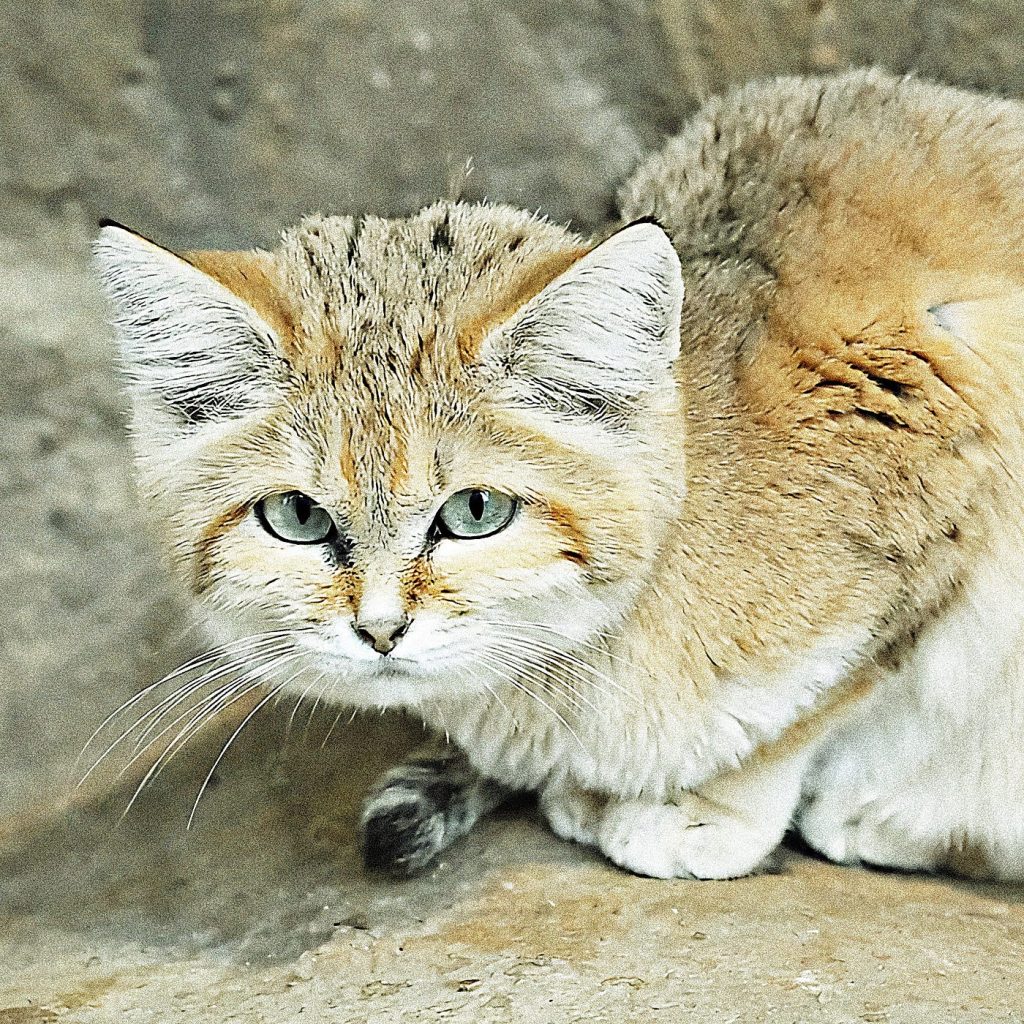
In contemporary society, we celebrate the vast array of cat breeds, each with unique attributes and histories that provide endless fascination. From the graceful Egyptian Mau to the charmingly quirky Scottish Fold, the journey of cats from fierce hunters to beloved family members unveils insights into our shared history and the bonds forged through companionship.
As we continue to explore this rich narrative, we uncover not only the evolutionary tale of cats but also the profound impact they have on our lives and their own adaptability to the varied lifestyles of households in America and worldwide. Through understanding their past, we gain a greater appreciation for these extraordinary beings and the warmth they bring into our homes.
DIVE DEEPER: Click here to discover more
The Origins of Domesticated Cats
The journey of cats from wild beings to our cherished companions began with the process of domestication, which has roots that trace back approximately 9,000 years. As our ancestors transitioned from nomadic lifestyles to settled agricultural communities, they unknowingly invited felines into a symbiotic relationship that would forever alter the trajectory of both species. Initially, wildcats roamed the outskirts of human settlements, captivated by the abundance of rodents drawn to grain stores. This mutual relationship not only benefited humans, who found their pest problems alleviated, but also granted cats a reliable source of food, marking the inception of a shared existence.
As cats established their place in human society, natural selection played a vital role in their evolution. Over time, the most sociable and docile cats began to thrive in close association with humans. Those that exhibited more gentle dispositions and a knack for cohabitation were more likely to reproduce, leading to an environmental breeding ground where these desirable traits became more pronounced. However, it wasn’t until the late 19th century that selective breeding began to take hold, giving rise to distinct cat breeds that were recognized for their unique characteristics and personalities.
Diverse Breeds Emerge
The practice of selective breeding fueled the emergence of various cat breeds tailored to specific traits that humans found desirable. Some of the most notable breeds that have captured the hearts of cat lovers around the world include:
- Siamese: Originating in Thailand, these cats are known for their striking blue almond-shaped eyes, short coat, and vocal personality. Their social nature makes them excellent companions.
- Maine Coon: Renowned as one of the largest domestic cat breeds, the Maine Coon is cherished for its tufted ears, bushy tail, and friendly demeanor, often referred to as “gentle giants.”
- Bengal: The Bengal’s beautiful spotted coat reflects its wild ancestry, tracing back to the Asian leopard cat. Their energetic and playful nature has made them a favorite among active households.
- Persian: With its long, luxurious fur and distinct flat face, the Persian cat embodies elegance and is known for its calm personality, favoring a relaxed lifestyle.
- Ragdoll: This affectionate breed is known for its striking blue eyes and large, cuddly body. Ragdolls tend to go limp when picked up, hence their name, making them wonderfully docile companions.
These examples illustrate how human preferences have shaped cat breeds into diverse forms, making them not only aesthetically pleasing but also compatible with various lifestyles. As societal norms evolved, so did our expectations of pets. The traits that were once simply advantageous for survival became markers of identity and companionship, driving further human-animal interactions.
Throughout history, cats have not only adjusted to life alongside humans but have repositioned themselves as vital members of the family unit. Understanding this evolutionary journey not only illuminates the genetic variations across breeds but also highlights the cultural significance of cats within our households. Through this exploration, we pay homage to the unique legacy of cats as they journeyed from the jungle to cozy corners of our living rooms.
The Evolution of Cat Breeds: From the Jungle to Domestic Life
As humanity evolved, so did the relationship between cats and people. The symbiotic bond that began in ancient civilizations highlighted the need for exploration into the genetics and behavioral traits that characterize modern domestic cats. Over thousands of years, wild Felis sylvestris adapted to environmental changes, leading to the diverse cat breeds we cherish today.
One of the significant transitions was the movement from rural to urban settings. As disease spread through rodent populations, cats became vital in controlling vermin, which in turn drove their acceptance and integration into household life. This increased interaction fostered the development of traits favorable for companionship, such as a more sociable disposition and diminished hunting instincts.
Each breed emerged from selective breeding, emphasizing specific physical features and behavioral traits. Breeds like the Siamese reflect ancient cultural preferences, while others, such as the Maine Coon, boast resilience in harsh climates, showcasing the adaptations necessary for survival alongside humans.
Today, understanding the evolutionary backdrop of these breeds can deepen appreciation for their unique characteristics. For instance, did you know that the sleek and agile Bengal cat is bred from the domestic cat and the wild Asian leopard cat? Their exotic look and playful nature inspire interest among pet owners seeking something beyond the traditional feline companion.
The journey of cats from jungle predators to beloved domestic companions is a testament to their resilience and adaptability. By studying their evolution, we gain insights into the underlying genetics and behaviors that continue to shape our modern feline friends.
| Category | Characteristics and Benefits |
|---|---|
| Adaptability | Cats have developed traits that allow them to thrive in various environments, from rural farms to modern households. |
| Companionship | Modern breeds are often sociable and enjoy human interaction, making them ideal pets for families. |
As we delve deeper into the evolution of cat breeds, we uncover fascinating stories of adaptation and the traits that distinguish each unique feline. The ancient connections forged between humans and these remarkable creatures continue to influence our lives today, inspiring ongoing interest in their history and care.
DISCOVER MORE: Click here to learn about optimal nutrition for your dog
The Evolution of Cat Breeds Through Cultural Influence
As the relationship between humans and cats flourished, the evolution of cat breeds became increasingly intertwined with cultural influences and geographic diversity. In tackling the history of domestic cats, one must consider how different societies shaped the development of breeds based on their unique environments and preferences. For instance, during ancient Egyptian civilization, cats were revered and often associated with the goddess Bastet, symbolizing home, fertility, and protection. This reverence likely influenced the early domestication of cats in that region, leading to the emergence of cats that were not just companions but also symbols of divinity.
Moreover, as trade routes expanded in the medieval period, cats journeyed across continents and cultures. They found themselves in bustling marketplaces, aboard ships, and in royal courts, adapting to varying climates and lifestyles. The interaction with distinct cultures often resulted in hybridization, contributing to the rich tapestry of feline genetics. For example, the Turkish Van, known for its affinity for water, evolved in turkey, where it thrived in an environment that valued both agility and adaptability.
The Role of Companionship in American Cat Breeding
The transformation of cats was particularly evident in the United States, where the late 19th and early 20th centuries marked the beginning of organized cat fancying. As the love for pets grew, distinct breed standards were established. Organizations such as the Cat Fancier’s Association (CFA) became prominent, advocating for the recognition and care of varied breeds. This era saw the rise of the American Shorthair, a breed developed from early European working cats. The American Shorthair was valued for its pest control prowess but quickly also became adored for its friendly nature and adaptability to family life.
During this period, the Himalayan cat emerged as a partial product of deliberate crossbreeding between the Persian and Siamese cats, highlighting how human preference directly influenced breed characteristics. The Himalayan’s long coat and striking blue eyes resonated with American cat lovers, further emphasizing the blend of entertainment and aesthetics in breeding practices. This shift fostered a dynamic where felines were no longer solely viewed as pest controllers but as beloved family members.
Contemporary Trends and Health Considerations
In recent years, awareness surrounding the health implications of selective breeding has gained traction. Responsible breeders now consider genetic diversity and the health of the breeds they champion. This trend reflects a growing sense of responsibility for the long-term well-being of cats, shaping ongoing dialogue around breeds such as Scottish Folds and Brachycephalic breeds like Persians and Himalayans, which are prone to specific health issues due to their physical traits.
The understanding that genetic predispositions can affect health has instigated discussions about ethical breeding practices. Contemporary breeders are now more inclined to prioritize the overall well-being of their cats, recognizing that the aesthetic desires of consumers should not come at the expense of the animals’ health. This shift illustrates a significant evolution within the breeding community, where emotional and ethical considerations take precedence alongside traditional aesthetic values.
Thus, the evolution of cat breeds is not merely a linear progression but rather a complex interplay of cultural practices, human companionship, and ethical responsibilities. Each breed tells a story, not just of genetic evolution, but also of the social fabric that binds us to these remarkable animals.
DISCOVER MORE: Click here for hypoallergenic dog breeds
Conclusion: The Journey of Cats from the Wild to Our Homes
The remarkable journey of cats from their wild origins to the various breeds we cherish today is a testament to both their adaptability and humanity’s evolving relationship with these enigmatic creatures. As we delve into the history of cat breeds, we uncover a narrative rich in cultural significance, human intervention, and the impact of geographical diversity. From the sacred feline figures of ancient Egypt to the beloved pets that scamper through our homes today, each breed serves as a living link to the past.
Modern breeding practices have further complicated this evolution, bringing to light critical issues regarding animal welfare and health. The growing emphasis on ethical breeding practices reflects a shift in societal values, where the health and happiness of cats take precedence over mere aesthetics. We now understand that ensuring the vitality of a breed is equally important as celebrating its unique traits.
Furthermore, as our collective knowledge about the health implications of selective breeding expands, there is immense potential for innovation in how we cultivate feline genetics. This evolution asks us to consider not only how we love our cats but also how we can improve their quality of life. Future generations may see further diversification and hybridization as we aim to respect both the cat’s heritage and its health, fostering a connection that transcends mere companionship.
Ultimately, the evolution of cat breeds is a mirror reflecting our own growth and changing perspectives on the animals we adore. As we move forward, it is imperative that we continue to advocate for best practices in breeding while honoring the rich history of these remarkable beings that have captivated our hearts for centuries.