The Importance of Animal-Assisted Therapy in Mental Health
Understanding the Role of Animals in Therapy
In recent years, the integration of animals in therapeutic settings has gained significant attention. Animal-assisted therapy (AAT) is a unique approach that leverages the presence of animals to support individuals grappling with various mental health challenges. This therapeutic technique capitalizes on the bond between humans and animals to promote emotional and psychological healing.
The concept of AAT is multifaceted, addressing different needs and conditions. It encompasses several key components, including:
- Emotional support: Animals serve as a source of unwavering comfort and companionship, helping individuals feel less isolated and more understood. This bond can be crucial for people who find it difficult to form connections with their peers.
- Reduced anxiety: Engaging with pets can significantly alleviate stress levels. For instance, simply petting a dog or cat releases oxytocin, a hormone associated with bonding and stress reduction, fostering a sense of calm and well-being.
- Enhanced social skills: Therapy sessions that include animals often encourage communication and interaction. For those with social anxiety or autism spectrum disorders, animals can act as social catalysts, making it easier for individuals to connect with others.
Research indicates that animal-assisted therapy can lead to notable improvements in conditions such as anxiety, depression, and PTSD. For example, veterans returning from service often find solace in therapy dogs, which can help bridge the gap between their intense experiences during combat and the challenges of reintegration into civilian life. These dogs provide not only companionship but also a sense of purpose for the veterans.
Encouraging investigations into this form of therapy reveal tremendous insights and data. A study conducted by the University of California found that participants in animal-assisted interventions experienced a 70% reduction in feelings of loneliness and isolation. This statistic is particularly striking, especially considering the increasing rates of loneliness in modern society.
Moreover, animal-assisted therapy has found its place in various institutions, including hospitals, schools, and rehabilitation centers. For instance, therapy dogs frequently visit children in hospitals to provide emotional support during difficult treatments, making the environment more comforting and less intimidating. In educational settings, AAT can help children with special needs improve their emotional stability and social interaction.
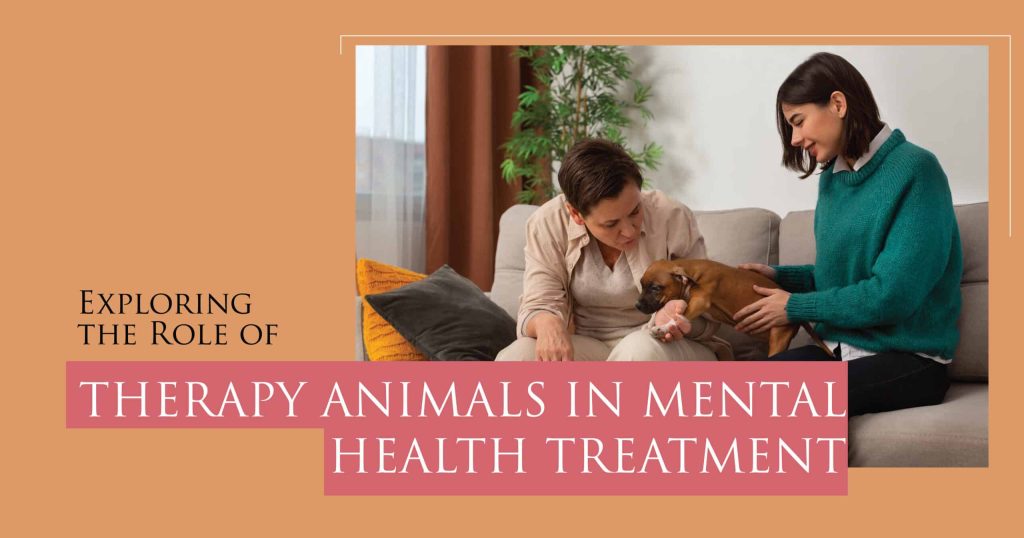
As the conversation around mental health continues to evolve, animal-assisted therapy stands out as a progressive and impactful approach. It offers new pathways for recovery and well-being, warranting further exploration and appreciation in the field of mental health. With numerous success stories and evidence-backed results, AAT invites ongoing research and awareness, encouraging individuals to consider how the simple act of interacting with animals can profoundly enhance emotional health.
DON’T MISS: Click here to discover the best cat breeds for your family!
The Benefits of Animal-Assisted Therapy in Mental Health Settings
Animal-assisted therapy (AAT) is becoming increasingly recognized for its essential role in the field of mental health. The presence of animals can provide unique benefits that are often hard to replicate through traditional therapeutic methods. This innovative approach not only enriches the therapy space but also enhances the overall healing process for individuals facing mental health challenges.
AAT offers a diverse range of advantages tailored to meet the unique needs of individuals, including:
- Physical Benefits: Interacting with therapy animals can lead to decreased heart rates and lower blood pressure, contributing to overall physical relaxation. The simple act of petting an animal can induce a meditative effect, allowing individuals to cope better with their stressors.
- Diagnostic and Improvement Measures: The therapeutic interactions with animals can serve as valuable indicators of progress in patients. Behavioral responses to animals can provide therapists with insights into a patient’s emotional state, opening new avenues for discussion and growth in therapy sessions.
- Development of Coping Strategies: The relationship with therapy animals can encourage individuals to develop their coping mechanisms. These animals often require care and attention, prompting individuals to engage in daily routines and responsibilities, fostering a sense of purpose.
Importantly, studies highlight the efficacy of AAT in managing mental health conditions. According to a 2018 study published in the Journal of Psychiatric Research, participants who engaged in AAT exhibited a significant reduction in symptoms of anxiety and depression. Such results indicate that animals can act as powerful allies in the therapeutic process, facilitating emotional connections that may feel daunting to establish with humans.
Another compelling aspect of AAT is its versatility across various demographics. Recent findings from the American Psychological Association suggest that children, adults, and even the elderly can benefit from animal-assisted interventions, making it a broadly applicable therapeutic tool. For instance, older adults facing isolation and loneliness due to age-related changes have shown improvement in their emotional well-being through interactions with service dogs and therapy pets.
Moreover, AAT has been implemented in numerous settings, including mental health clinics, community centers, and private therapy practices. Its reach extends even to schools, where therapy animals have contributed to improved emotional regulation and social skills among students. The emotional connections fostered in these environments not only build resilience but also cultivate a supportive community that can help buffer mental health challenges.
As we delve further into the significance of animal-assisted therapy, it’s vital to recognize its implications for the future of mental health treatment. With continued research and a growing understanding of the human-animal bond, AAT is poised to revolutionize how we approach mental health care, offering creative solutions that foster healing and resilience.
The Importance of Animal-Assisted Therapy in Mental Health
Animal-assisted therapy (AAT) is gaining recognition within therapeutic practices, particularly for its significant role in mental health improvement. The incorporation of animals in therapeutic settings offers numerous advantages, fostering emotional support and enhancing the connection between individuals and their therapists. This innovative approach not only contributes to emotional well-being but also encourages social interactions and helps people develop coping strategies.To provide a glimpse into the benefits of AAT, consider the following table that highlights its advantages:
| Advantages | Details |
|---|---|
| Emotional Support | Animals provide a non-judgmental presence, reducing anxiety and feelings of loneliness. |
| Enhanced Motivation | Interacting with animals can increase participants’ engagement and willingness to participate in their therapy. |
Living with mental health challenges such as anxiety, depression, or PTSD can often feel isolating, yet AAT creates a bridge of empathy and connection. The physical presence of therapy animals can prompt individuals to express themselves more openly, thus fostering a deeper therapeutic relationship. Furthermore, studies have shown that interacting with animals leads to the release of endorphins, which naturally improve mood and promote relaxation. This scientifically backed response can be particularly beneficial for those struggling with heightened stress levels.The presence of animals in therapy sessions not only serves as a source of comfort but also encourages skill-building in patients, aiding them to cope with their mental health struggles. Animals can act as catalysts for behavioral changes, reducing symptoms and enabling individuals to navigate their feelings and relationships more effectively. As the mental health landscape continues to evolve, understanding the pivotal role of animal-assisted therapy becomes increasingly important. The combination of animal companionship and professional therapy opens new doors for healing and resilience in individuals facing psychological difficulties.
DISCOVER MORE: Click here for effective training tips
The Expanding Scope of Animal-Assisted Therapy
The applications of animal-assisted therapy (AAT) are constantly evolving, reflecting growing awareness of its multifaceted benefits in mental health care. While many traditionally view AAT as limited to interactions with dogs, the scope has widened significantly to include a variety of species, each with unique therapeutic contributions. Animals such as cats, rabbits, and even miniature horses are now being utilized in mental health settings, enabling a more personalized therapeutic experience.
Recent studies underscore the potential benefits of diverse animal involvement in AAT. For instance, a 2021 study published in the Human-Animal Interaction Bulletin reported that patients who engaged with smaller, softer companion animals, such as guinea pigs, experienced notable increases in trust and comfort during therapy sessions. These findings suggest that different animals can evoke distinct emotional responses, allowing practitioners to tailor treatments to their patients’ individual needs.
The role of AAT is especially poignant in addressing specific populations, such as veterans struggling with PTSD. Organizations across the U.S. have begun pairing veterans with trained therapy dogs to navigate the complexities of their emotions. The U.S. Department of Veterans Affairs cites evidence that therapy animal interventions can significantly reduce symptoms associated with trauma, illustrating the crucial role animals play in promoting healing in this demographic.
Furthermore, the integration of AAT into traditional therapeutic approaches has proven beneficial in rehabilitation settings. Engaging with animals encourages individuals recovering from trauma, addiction, or mental illness to engage in interactions outside themselves, fostering social skills and emotional intelligence. Clients who participate in structured therapy programs that include AAT often report reduced feelings of isolation and an increased willingness to engage in group therapy exercises.
Also noteworthy is the training and involvement of therapy animals, which requires stringent certification processes to ensure safety and efficacy within therapeutic contexts. Organizations like the Alliance of Therapy Dogs provide guidelines and support for animal handlers and their furry partners, ensuring that interactions are both beneficial and secure. By investing in well-trained therapy animals, mental health services can bolster their offerings, assuring clients of a professional environment that prioritizes their emotional and physical well-being.
The digital age also beckons innovative applications of AAT. Virtual sessions featuring therapy animals are gaining traction, especially during the COVID-19 pandemic when in-person interactions were restricted. Programs leveraging technology to connect individuals with therapy animals have shown promising results, notably in fostering emotional connections when face-to-face therapy was unattainable. Such adaptability can ensure that AAT remains relevant and accessible in a rapidly changing world.
Moreover, the increasing popularity of AAT has spurred a rise in online resources and community support systems, providing individuals with valuable information on how to access and navigate these therapeutic services. Various platforms offer directories for locating certified therapy animal programs, allowing those seeking assistance to make informed decisions. This transparency not only empowers clients but also highlights the importance of informed choices in mental health care.
As the body of research supporting AAT continues to grow, it is crucial for mental health professionals and policymakers to consider how to integrate animal-assisted therapy into standard practices. The evolving narrative around the human-animal bond provides a strong foundation for developing innovative treatment strategies that can propel the field of mental health forward.
LEARN MORE: Click here for expert tips on litter box training
Conclusion: Embracing the Healing Power of Animal-Assisted Therapy
As we reflect on the profound impact of Animal-Assisted Therapy (AAT) on mental health, it’s evident that this innovative approach holds significant promise for individuals facing a variety of emotional and psychological challenges. From veterans grappling with PTSD to children overcoming anxiety, the diverse applications of AAT are reshaping how we perceive and treat mental health disorders. The therapeutic bond forged between humans and animals not only promotes healing but also fosters a sense of connection and belonging that is often missing in traditional therapeutic settings.
The growing body of research supporting AAT highlights its effectiveness in enhancing emotional well-being, increasing engagement in therapy, and reducing feelings of isolation. As more practitioners incorporate therapy animals into their practices, clients benefit from customized interventions that cater to their unique needs, ultimately nurturing a more holistic recovery journey.
In addition, the integration of technology into AAT, such as virtual sessions, ensures accessibility and relevance in our fast-evolving world. This adaptability opens new avenues for support, reinforcing the importance of making mental health resources widely available. As the dialogue around AAT continues to expand, we must advocate for more comprehensive training and certification for therapy animals to guarantee successful outcomes.
In conclusion, Animal-Assisted Therapy presents an exciting frontier in mental health treatment, merging compassion and care with proven psychological principles. The future of mental health care should embrace the emotional intelligence of animals as vital partners in healing, thereby allowing us to foster a society that prioritizes mental well-being. As awareness and acceptance of AAT grow, it remains crucial for individuals, families, and professionals to explore the nurturing potential of the human-animal bond as a pathway to recovery.