The Importance of Hydration in Pet Nutrition
The Importance of Hydration in Pet Nutrition
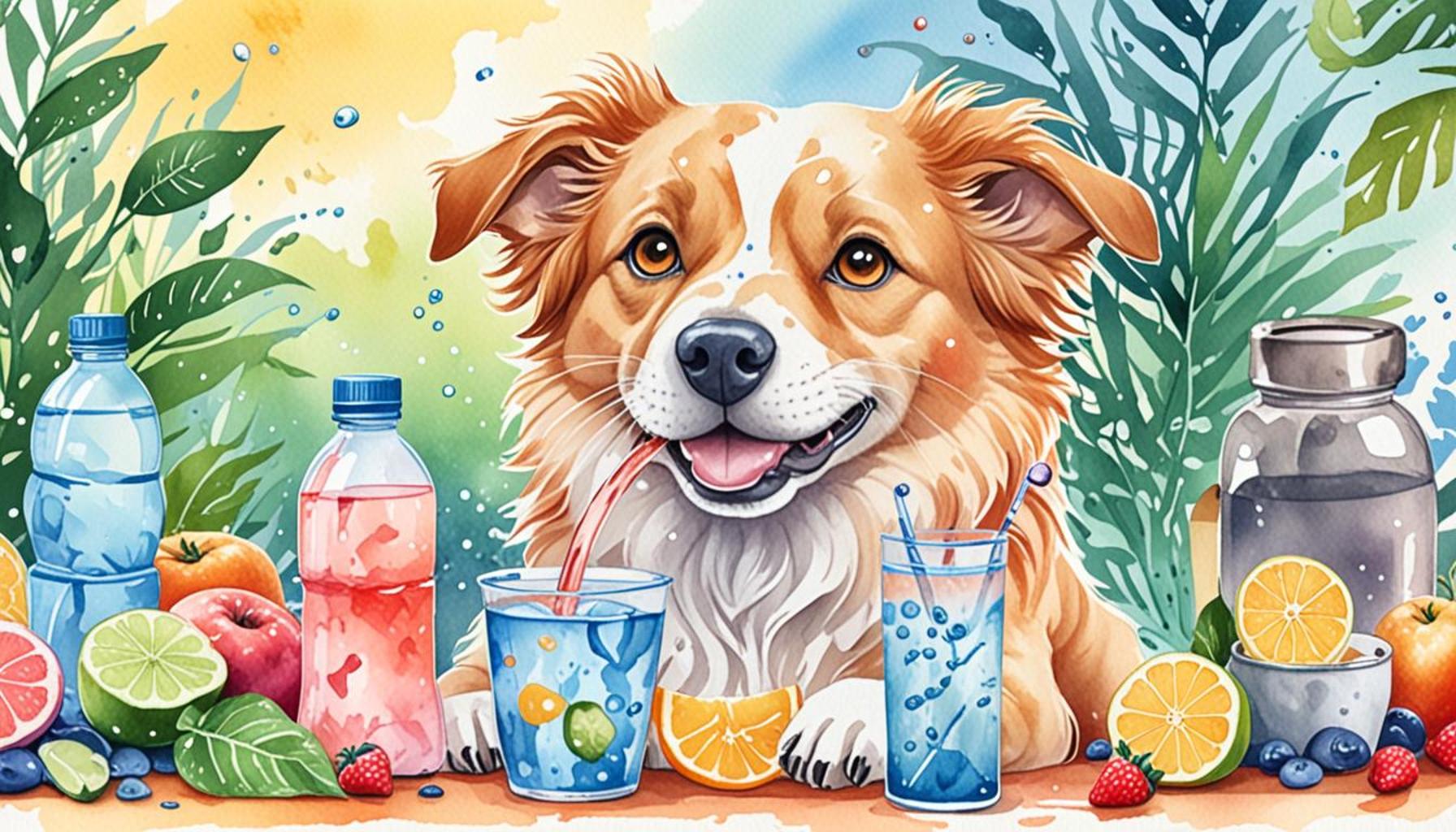
Hydration is a fundamental component of pet nutrition that often does not receive the attention it deserves. Water is not just a supplementary item; it is a vital nutrient that supports several essential bodily functions. Just like humans, our furry companions rely heavily on water for everything from digestion to temperature regulation. Despite its critical importance, many pet owners may not be fully aware of just how crucial it is to maintain their pets’ hydration levels.
Water plays several key roles in a pet’s life, including:
- Maintaining bodily functions: Water is essential for various metabolic processes, facilitating the conversion of food into energy and enabling the transportation of nutrients throughout the body.
- Preventing dehydration: Even mild dehydration can have detrimental effects on a pet’s health. Signs may include lethargy, dry gums, and decreased skin elasticity. Chronic dehydration can lead to serious health issues such as kidney disease.
- Promoting healthy skin and coat: Adequate hydration keeps a pet’s fur shiny and their skin supple, helping to prevent problems like dryness and itching.
In the United States, various environmental factors play a significant role in a pet’s hydration levels. For example, during the hot summer months, pets are likely to increase their water intake due to rising temperatures. Additionally, pets that are highly active or those that consume dry kibble may require more water than their less active counterparts or those who eat wet food, which is generally more moisture-rich.
Understanding the relationship between these factors and hydration needs can lead to better-informed pet care decisions. It’s important for pet owners to provide easy access to clean, fresh water at all times. Additionally, being aware of water sources is crucial; while many pets drink from bowls, some may enjoy drinking from a pet water fountain, which can encourage them to drink more.
Water can often take precedence over food in terms of importance. In fact, pets can survive for several days without food, but a lack of water can be life-threatening within just a few days. Therefore, it’s essential for pet owners to monitor their pets’ fluid intake and be attuned to signs of dehydration.
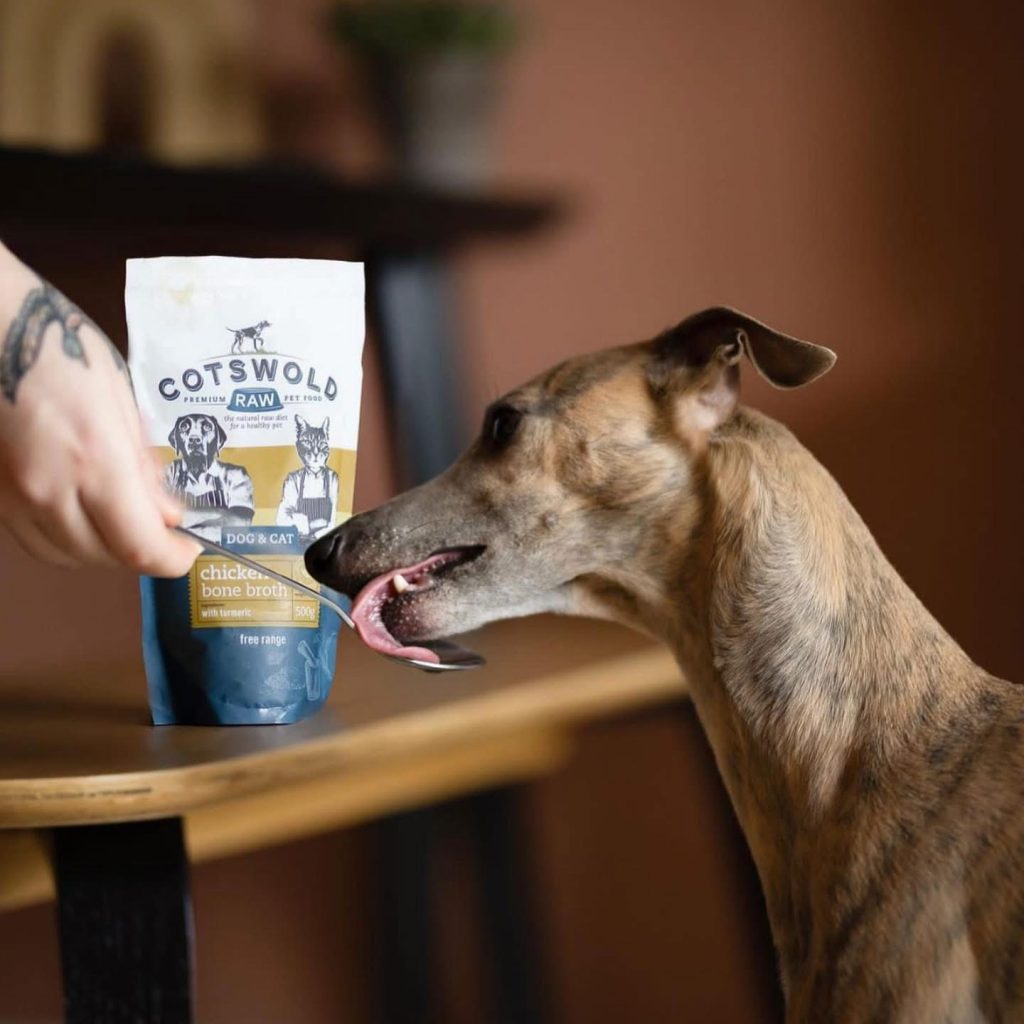
In summary, prioritizing hydration should be a significant aspect of any pet care regimen. By ensuring that pets are adequately hydrated, owners can contribute to their overall well-being and longevity. Careful observation and a proactive approach can make all the difference in keeping pets happy and healthy.
LEARN MORE: Click here to discover the benefits of pets on your health
Understanding Your Pet’s Hydration Needs
Determining the right level of hydration for pets can often feel like a daunting task for pet owners. However, it is an essential part of ensuring that our furry friends live long, healthy lives. Each pet has unique needs based on their breed, age, weight, activity level, and environmental factors. As such, knowing how to assess hydration is crucial.
One effective way to assess if your pet is adequately hydrated is to observe their behavior and physical condition. Here are some signs to look for:
- Thirst: If your pet is drinking excessively or is always on the hunt for water, it may indicate dehydration or other underlying health issues.
- Urination habits: A decrease in urination frequency or dark-colored urine could be a sign that your pet isn’t getting enough fluids.
- Skin elasticity: Gently pinch your pet’s skin between their shoulder blades. If it doesn’t return to its normal position quickly, your pet may be dehydrated.
- Gum color: Healthy gums should be moist and pink. Dry, sticky gums may alert you to hydration issues.
Different types of pets also have varying hydration needs. For instance, cats are known to be less inclined to drink water compared to dogs, as they often received moisture through their prey in the wild. Consequently, dry kibble-fed cats may suffer from dehydration, leading to urinary tract issues or kidney problems. On the other hand, dogs tend to drink more, especially after playtime or physical exertion. However, the amount of water a dog needs can fluctuate based on their size, breed, and overall health condition.
Additionally, factoring in your pet’s diet is essential. Wet food, for example, contains a higher moisture content, which contributes to their overall hydration. Pets that primarily eat dry food will need extra water to compensate for the lack of moisture in their meals. This connection between diet and hydration underlines the importance of assessing your pet’s overall nutritional regime.
It’s also worth considering the type of environment in which your pet lives. For households in the hotter regions of the United States, like Florida or Arizona, the risk of heat-related dehydration spikes during the summer months. Pets are more susceptible to overheating, making it crucial to ensure they have access to fresh water consistently. Moreover, pets that are more active, such as working dogs or those that participate in agility training, will have heightened hydration requirements due to increased fluid loss through panting and physical exertion.
Overall, understanding your pet’s specific hydration needs can help combat potential health issues and improve their quality of life. Regularly observing signs of hydration, adjusting their diet, and taking environmental factors into account can all contribute to a happier, healthier pet.
| Hydration Benefits | Importance in Pet Health |
|---|---|
| Enhanced Digestion | Proper hydration aids in nutrient absorption and prevents digestive issues. |
| Temperature Regulation | Maintaining body temperature is critical, especially in hot weather or during exercise. |
| Joint Health | Water is essential for lubricating joints, thus preventing arthritis and maintaining mobility. |
| Kidney Function | Adequate hydration supports kidney health and helps filter toxins from the body. |
In the realm of pet nutrition, ensuring that our pets have access to clean, fresh water is not just a necessity—it’s a critical component for overall health. Many pet owners may underestimate the profound impact of hydration on various health aspects. Water helps in the transportation of nutrients and aids in energy production. Interestingly, even slight dehydration can lead to reduced energy levels in pets, affecting their playfulness and activity. It’s essential to recognize that specific breeds may require more attention to hydration due to their unique physiologies.Moreover, pets’ individual lifestyles also dictate hydration needs. Active pets, or those in warmer climates, have heightened water requirements to stay healthy. High-quality pet foods might also play a role, as they often contain moisture. However, their willingness to drink water remains paramount. Desensitizing pets to water sources that they might refuse can significantly enhance hydration strategies. With an understanding of these factors, you can develop a tailored hydration plan that keeps your furry friends healthy and thriving.
LEARN MORE: Click here for essential tips on socializing your puppy
The Role of Hydration in Various Health Conditions
Hydration is not just about quenching thirst; it is a fundamental component of overall pet health. Inadequate water intake can worsen or even lead to a variety of health issues. For instance, chronic kidney disease is particularly prevalent among aging cats and dogs. Proper hydration can help support kidney function and slow the progression of this disease. Studies suggest that pets that drink enough water or consume wet food tend to have better kidney health, showcasing the direct link between hydration and organ function.
Moreover, hydration is crucial for the digestive system. Water helps dissolve nutrients, making them more accessible for the body to absorb efficiently. A well-hydrated pet is less likely to suffer from constipation and can better manage dietary fiber intake. Conversely, pet owners may notice gastrointestinal issues in pets that are dehydrated, including vomiting or diarrhea which can create a cycle of further dehydration. A pet’s stool consistency often reflects their hydration status—hard or dry stools can indicate that your furry friend needs more water.
In addition to these internal benefits, hydration significantly impacts your pet’s skin and coat health. Pets that are well-hydrated tend to have softer fur and healthier skin, as water aids in the production of natural oils that maintain their coat’s shine. Dehydrated pets may develop dry, flaky skin, which is not only uncomfortable but can also lead to secondary infections.
The Seasonal Effects on Hydration
The time of year can have a fascinating effect on a pet’s hydration needs. In the warmer summer months, for example, pets are more prone to heat-related illnesses such as heatstroke if they aren’t sufficiently hydrated. As temperatures rise, pets may need to drink twice as much water compared to colder months. One study found that during peak summer months, pets living in southern states can lose nearly 50% more water due to excessive panting and physical activity. Pet owners must be proactive by ensuring that fresh water is always available and even considering attaching a water dispenser outdoors for pets who enjoy sunbathing or playing outside.
However, it is not just the heat that can impact hydration; winter presents its own challenges. In colder conditions, pets may be less inclined to drink water, particularly if it is icy or if they’re less active. Ironically, their hydration needs can be higher since dry indoor air from heating systems can exacerbate dehydration. Pet owners should be diligent in monitoring their pets’ water intake and encourage them to drink by offering slightly warmed water or by sprinkling water over their food.
Innovative Hydration Solutions for Pets
To support pet hydration, innovative products are flooding the market. From pet water fountains that encourage drinking through filtered, flowing water to flavored water options targeted at fussy drinkers, there are multiple ways to ensure your pet stays hydrated. Some pet owners opt for incorporating electrolyte-enhanced powders into their pet’s water, which can encourage drinking among reluctant pets. Another trend on the rise is adding wet food to a dry-food diet—this not only boosts hydration but also adds variety to a pet’s meals.
Overall, being informed about your pet’s hydration needs can avert serious health issues and foster a more vibrant, active lifestyle for your furry companions. By facilitating accessibility to water, understanding the impact of environment and diet, and leveraging innovative solutions, pet owners can enhance their pets’ health and happiness significantly.
DISCOVER MORE: Click here for insights on how your pet’s diet impacts your health
Conclusion: Prioritizing Hydration for Optimal Pet Health
In conclusion, the significance of hydration in pet nutrition cannot be overstated. As we’ve examined, water is vital not only for maintaining basic bodily functions but also for enhancing the overall health and well-being of our furry companions. Adequate hydration supports critical organs, aids in digestion, and contributes to the luster of a pet’s coat and skin. Ignoring a pet’s hydration needs can lead to serious health issues, including kidney disease, gastrointestinal problems, and diminished vitality.
Seasonal changes further complicate hydration needs, as pets may require increased water intake during warmer months or struggle with drinking enough during colder conditions. This highlights the necessity for pet owners to be vigilant in monitoring their pets’ hydration status throughout the year. Creative solutions like pet water fountains and adding wet food to dry diets can make staying hydrated more enticing for pets.
Ultimately, being proactive about hydration fosters not only a healthier lifestyle for pets but also enriches the bond between pets and their owners. By prioritizing hydration, we empower our beloved companions to lead active, joyful lives, free from the pitfalls of dehydration and its associated health risks. The journey towards better hydration starts with simple awareness and consistent effort—let’s commit to understanding and meeting the hydration needs of our pets for their long-term health and happiness.