The Vital Role of Animal-Assisted Therapy in Mental Health Care

In recent years, the connection between pets and mental health has gained significant attention. This approach involves utilizing animals to enhance emotional well-being and promote healing in individuals facing various psychological challenges. As mental health issues continue to rise globally, understanding the benefits of Animal-Assisted Therapy (AAT) becomes crucial for both practitioners and patients.
Studies indicate that interactions with animals can lead to a reduction in stress, anxiety, and depression. Furthermore, therapy animals often provide comfort and companionship, forging bonds that result in positive psychological outcomes. With a wealth of evidence supporting its effectiveness, AAT is emerging as a complementary treatment in mental health care.
This article will explore the Top 5 reasons why animal-assisted therapy is vital for mental health. By examining the various ways in which animals can assist in therapeutic settings, readers will gain insight into the significance of this innovative approach. Prepare to discover how the presence of furry friends can foster emotional resilience and healing.
The Importance of Animal-Assisted Therapy in Mental Health
The deep connection between humans and animals has been acknowledged since ancient times, celebrated in countless stories and traditions. More than just companions, animals have become crucial allies in modern therapy practices, particularly in the realm of mental health. Therapy animals, including dogs, cats, and even horses, are gaining recognition as vital components in addressing complex mental health issues. This article delves into the top five reasons why Animal-Assisted Therapy (AAT) stands out as a transformative tool in mental healthcare.
5. Enhancing Emotional Expression
A significant advantage of Animal-Assisted Therapy is its ability to foster emotional expression among individuals who might otherwise struggle to articulate their feelings. Animals, especially highly social species like dogs, have an innate capacity to offer non-judgmental presence, providing a safe space for clients to open up. This relationship promotes a shift from silence to self-expression, allowing individuals to verbalize complex emotions in a more accessible way.
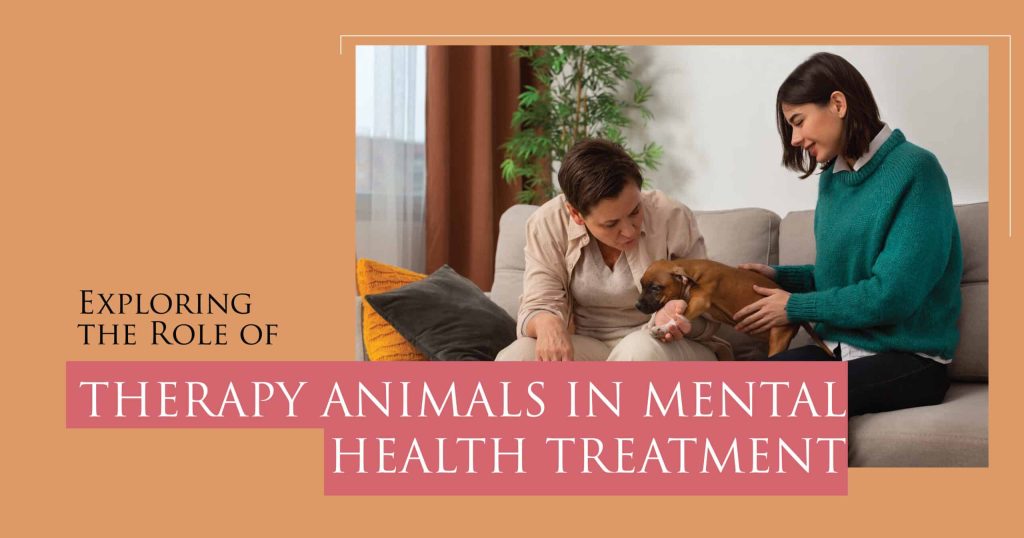
- Animals can offer a soothing presence that lowers anxiety levels.
- They help dissolve communication barriers during therapy sessions.
- Patients often feel more at ease discussing difficult topics in the companionable presence of an animal.
By nurturing a supportive environment, therapy animals enable patients to explore their emotional landscapes more freely, making this approach a potent addition to mental health strategies. This non-verbal companionship can often be the catalyst for patients to embark on a journey of storytelling, unraveling their inner experiences.
4. Reducing Anxiety and Depression
AAT has shown promising potential in relieving symptoms of anxiety and depression—conditions that affect millions around the globe. Engagement with therapy animals can stimulate the production of oxytocin, a hormone associated with relaxation and bonding. This biochemical response creates a sense of security and comfort, particularly beneficial for individuals battling high levels of anxiety.
Research demonstrates that participants in AAT consistently report decreases in anxiety and depression. For instance, a study revealed that veterans with PTSD experienced significant symptom relief post-interaction with therapy dogs. These regular interactions can help patients find equilibrium, gradually leading to a more positive and stable mental state.
3. Promoting Physical Activity
Animal-Assisted Therapy also plays a crucial role in encouraging physical activity. Activities with therapy animals—such as walking a dog or engaging in horse grooming sessions—naturally incorporate exercise into therapy, which is vital for mental wellness. Exercise is closely linked to mental health benefits such as improved mood and reduced stress, essentially acting as a natural antidote to depression.
Physical activity also improves sleep quality, which is foundational for mental clarity and emotional resilience. Interacting with therapy animals adds enjoyment to these activities, making them seem less of a chore and more of a delight, thus enhancing client compliance with physical exercise prescriptions.
2. Building Social Skills and Companionship
Individuals struggling with social anxiety, autism, or chronic loneliness can find solace and growth through AAT. Therapy animals act as a social bridge, sparking conversations and interactions that might not ordinarily take place. This can be transformative for people who find it challenging to connect with others.
The companionship provided by these animals effectively reduces feelings of isolation. For many patients, therapy animals become steadfast friends, providing an unwavering source of emotional support. This companionship often results in improved self-esteem and motivation to engage more with the world, diminishing the barriers of social isolation.
1. A Holistic Approach to Healing
At the heart of Animal-Assisted Therapy is its holistic approach to healing. AAT takes into account the multifaceted nature of mental health, addressing emotional, physical, and sometimes even environmental factors. By integrating animals into therapeutic practices, clinicians are able to deliver a more enriching treatment experience that aligns with the complexities of human psychology.
AAT often acts as a complement to conventional therapy techniques, enhancing the overall efficacy of treatment. The emotional bonds formed with therapy animals transcend traditional therapeutic modalities, offering healing on an emotional and psychological level. Patients frequently report significant breakthroughs and a sense of personal growth through such interactions, showcasing the unique transformative power of the human-animal bond.
In conclusion, the significance of Animal-Assisted Therapy in mental health is profound and multi-dimensional. From bolstering emotional expression and reducing anxiety to promoting exercise and facilitating social connections, therapy animals are indeed invaluable in the therapeutic process. As awareness and understanding of these benefits expand, it is anticipated that more mental health professionals will incorporate this enriching practice into their therapeutic repertoires.
| Category | Description |
|---|---|
| Emotional Support | Therapy animals provide unconditional love and companionship, which can significantly alleviate feelings of loneliness and anxiety. Engaging with animals can enhance emotional well-being and foster a sense of belonging. |
| Stress Reduction | Interactions with therapy animals can lead to a notable decrease in stress levels. Studies indicate that simply petting an animal can lower blood pressure and cortisol levels, promoting relaxation and calmness in individuals undergoing stress. |
| Social Interaction | Therapy animals often serve as a catalyst for social engagement. Their presence can encourage conversations and connections among patients and caregivers, helping to reduce feelings of isolation in therapeutic settings. |
| Motivation to Engage | The presence of therapy animals can motivate individuals to actively participate in their treatment plans. The prospect of interacting with an animal can increase enthusiasm for therapy sessions and other activities that might otherwise be challenging. |
Frequently Asked Questions about Animal-Assisted Therapy in Mental Health
What is Animal-Assisted Therapy and how does it work?
Animal-Assisted Therapy (AAT) involves the use of animals in treatment settings to improve a patient’s physical, social, emotional, or cognitive functioning. Animals such as dogs, cats, horses, and even birds are commonly used. These animals help create a calming atmosphere that can be extremely beneficial in reducing stress and anxiety. Scientific studies have shown that interaction with animals can lead to the release of endorphins, the body’s natural painkillers, which can foster a sense of well-being.
Who can benefit from Animal-Assisted Therapy?
People of all ages, ranging from children to the elderly, can benefit from Animal-Assisted Therapy. It has been particularly effective for those suffering from psychological conditions such as depression, anxiety, PTSD, and autism. Research indicates that children with autism spectrum disorders often develop increased social interaction skills and emotional support through this form of therapy. Veterans coping with PTSD have also shown marked improvement when engaging with therapy animals.
What are the limitations or risks of Animal-Assisted Therapy?
While Animal-Assisted Therapy is generally considered safe, it is important to recognize its limitations. Not everyone is comfortable with or suitable for sessions involving animals, especially those with allergies, phobias, or certain severe mental health conditions. Moreover, it is essential for the animals to be well-trained and supervised by professionals to ensure both the patient’s and the animal’s safety. The therapy should be part of a comprehensive treatment plan rather than a standalone solution. Consultation with healthcare providers is crucial to assess the suitability for individual cases.
How is Animal-Assisted Therapy different from having a pet?
Animal-Assisted Therapy is conducted by trained professionals who integrate animals into a structured therapeutic environment to achieve specific treatment goals. Unlike having a pet at home, therapy animals are specially trained to assist in therapeutic settings and are matched to the needs of the patient. The presence of a professional ensures that the interaction is safe and beneficial. Pets can provide emotional support, but they don’t replace the strategic approaches utilized in structured therapy sessions.
How can someone begin Animal-Assisted Therapy?
Starting with Animal-Assisted Therapy usually involves a referral from a healthcare provider, such as a psychologist or psychiatrist, who believes this could be an effective component of your treatment plan. You can also directly contact centers specializing in AAT to learn more about their programs. It’s vital to collaborate with certified professionals or institutions that adhere to the protocols established by relevant health authorities to ensure the efficacy and safety of the therapy.
Conclusion
The integration of Animal-Assisted Therapy (AAT) in mental health care reflects a significant evolution in addressing psychological well-being. Throughout this article, several major points have been highlighted, notably the profound impact that animals can have on human mental health. Studies have demonstrated that interactions with animals can lead to reduced stress levels, decreased anxiety, and improved emotional balance. These effects are attributed not only to the physical presence of animals but also to the unique bond that forms between humans and pets.
AAT provides a holistic approach to healing, especially for individuals suffering from conditions such as depression, PTSD, and anxiety. The calming effect of animals serves as a catalyst for human emotions, allowing therapists to access deeper emotional states in patients. The simplicity with which animals offer their companionship and affection creates a non-judgmental space, which can be therapeutic in itself.
Broader Implications
Moreover, the role of AAT goes beyond individual therapy sessions. It fosters social interaction, reduces isolation, and promotes physical activity, all contributing factors to enhanced mental health. Institutions incorporating animal therapy often report improvements in patient outcomes, highlighting the tangible benefits of these programs.
As mental health challenges become increasingly recognized, the demand for innovative therapeutic interventions is more crucial than ever. Animal-Assisted Therapy represents a notable avenue in this regard, offering more than just a supplementary treatment but a significant component of a comprehensive mental health care strategy.
For those still skeptical of the impact animals have on mental health, continued research and increasing anecdotal evidence present a compelling case. By embracing the unique qualities pets bring to therapeutic settings, we can expand our resources and afford individuals a chance at better mental health outcomes.