
Training Tips for High-Energy Breeds: Keeping Your Dog Engaged and Focused

Understanding High-Energy Dog Breeds
High-energy dog breeds, such as Border Collies, Australian Shepherds, and Labrador Retrievers, require more than just basic obedience training. These lively companions thrive on mental stimulation and physical activity, making effective training essential to maintain their focus and well-being. The right approach to training not only helps in shaping their behavior but also is vital for their overall happiness.
Many owners may believe that high-energy dogs are too demanding, pointing to their relentless enthusiasm and boundless energy. However, successful training can transform what seems like an overwhelming challenge into a rewarding experience. An essential aspect of this is building a strong bond between the dog and the owner. Here are key components to keep in mind:
- Consistency: Use the same commands and cues throughout training sessions. For instance, if you’re teaching your dog to sit, consistently use the command “sit” rather than mixing it up with alternatives like “down” or “be seated.” This clarity helps the dog understand what is expected.
- Variety: Incorporate diverse activities to keep them engaged. High-energy breeds often excel in sports like agility training, flyball, or even scent work. Mixing training methods with physical play, such as running, hiking, or swimming, can keep their routines fresh and exciting.
- Positive Reinforcement: Reward good behavior to encourage repetition. Use treats, praise, or playtime as rewards when your dog follows commands. This method reinforces desirable behaviors, making your dog more likely to repeat them. Positive reinforcement has been shown to be more effective than punitive measures in creating a loving and trusting relationship.
Engaging high-energy breeds in training is not just about controlling behavior; it’s about channeling their energy positively. Dogs like the Border Collie, known for their intelligence and herding instincts, thrive on challenges that make them think as much as exercise their bodies. Additionally, without adequate mental and physical stimulation, these breeds are prone to boredom and may resort to destructive behaviors, which can manifest as chewing furniture or digging up the yard. Regular training and structured play sessions can help mitigate such issues and provide necessary mental challenges.
In the upcoming sections, we will dive deeper into specific strategies and techniques that can help maintain your active dog’s focus while enhancing their training experience. Whether you’re a seasoned dog owner or a new adopter, these insights will pave the way for a fulfilling partnership, enriching both your lives and ensuring that your pet remains a well-adjusted member of your family. Prepare to discover how an investment in consistent, varied, and positive training can unlock the full potential of your high-energy companion.
LEARN MORE: Click here for tips on litter box training
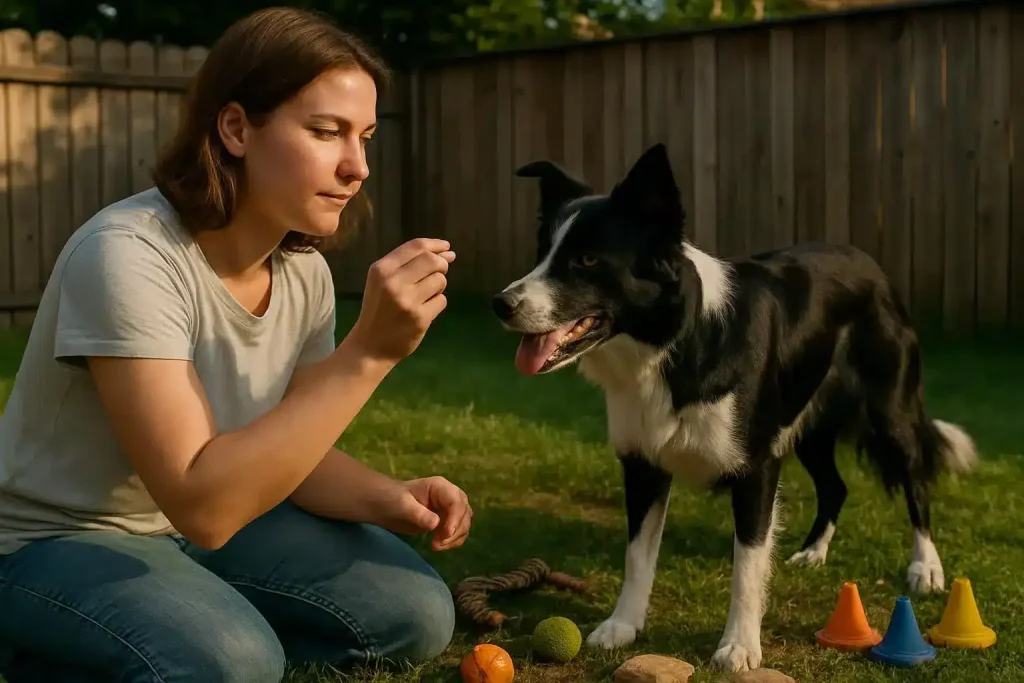
Essential Training Techniques for High-Energy Breeds
Successfully training high-energy dog breeds requires a unique approach tailored to their specific needs. These dogs flourish in environments that stimulate both their minds and bodies. The following techniques can help maintain their attention and channel their vivacity into positive behaviors:
- Structured Playtime: Incorporate structured play that encourages interaction and teamwork. Activities such as fetch or tug-of-war not only help burn off excess energy but also reinforce the bond between you and your dog. Setting clear rules during playtime, such as taking turns, can teach impulse control and listening skills.
- Interactive Toys: Utilize toys that stimulate your dog’s mind. Puzzle toys, treat-dispensing balls, and interactive feeders engage high-energy breeds and encourage independent play. These toys require your dog to think critically, which helps satisfy their mental cravings while keeping them occupied for extended periods.
- Short Training Sessions: High-energy dogs often have shorter attention spans, necessitating quick training sessions. Rather than lengthy drills, conduct several brief sessions throughout the day that last around 5 to 10 minutes. This keeps your dog focused and eager to learn, making training feel less like a chore and more like an enjoyable experience.
- Incorporate Games That Encourage Obedience: Transform traditional commands into engaging games. For instance, playing “Hide and Seek” can emphasize the “come” command in a fun way. Alternatively, set up an obstacle course that encourages your dog to navigate through specific tasks while following cues. This format not only reinforces training but also capitalizes on their natural energy.
Another critical aspect of training high-energy breeds is recognizing the importance of socialization. Early and ongoing exposure to various environments, people, and other animals helps these dogs develop confidence and adaptability, reducing anxiety and behavioral issues later on. Engaging in group classes or attending dog-friendly events can provide new experiences while reinforcing essential training skills.
Moreover, remember that high-energy breeds are often driven by a strong need for physical exercise. For example, a daily routine that includes vigorous walks, runs, or play sessions is essential to their mental well-being. Try to incorporate at least one active session daily, varying the route to keep things exciting for your dog. Activities such as hiking or visiting a dog park can also provide stimulation that keeps them happy and engaged.
In summary, effective training for high-energy dog breeds involves leveraging their zest for life through structured play, engaging toys, and frequent practice. By understanding their unique needs and implementing these strategies, you can foster a more focused and well-adjusted companion. Keep reading to explore more advanced techniques and exercises that can further enrich your high-energy dog’s training regimen.
Engaging Activities for High-Energy Breeds
High-energy breeds require more than just regular exercise to channel their energy effectively. Providing mental stimulation is equally important. Activities such as agility training, obedience classes, and interactive fetch games not only burn off energy but also help in building a stronger bond between you and your dog. Agility training can be particularly beneficial as it challenges your dog’s physicality and mental skills simultaneously. Consider setting up a simple agility course in your backyard or at a local park. This can include tunnels, jumps, and weave poles that require your dog to think critically while being physically active.
Boosting Focus and Attention
Training sessions are an excellent way to improve your dog’s focus. Incorporating short and frequent training sessions throughout the day keeps your dog engaged and helps reinforce learning. Use positive reinforcement techniques like treats, praise, and playtime to encourage your dog’s attention and dedication during these sessions. It’s essential to keep these interactions fun and varied, as repetitive tasks can lead to boredom. Engaging toys, puzzle feeders, and scent games can transform mealtime into a mentally stimulating experience. This not only keeps your dog focused but also enhances their problem-solving skills.
Socialization and Playdates
Social interactions are crucial for high-energy breeds to develop good behavior and manners. Organizing playdates with other dogs can help your pet blow off steam and learn valuable social skills. Ensure you supervise these interactions to promote safe play. Joining a local dog club or attending dog-friendly events can expose your pooch to various environments and other dogs, enriching their social experience. Remember, a well-socialized dog is generally more balanced and less prone to behavioral issues.
| Activity Category | Benefits |
|---|---|
| Agility Training | Enhances coordination and mental sharpness. |
| Socialization Opportunities | Develops good manners and decreases anxiety. |
| Interactive Toys | Keeps your dog occupied while stimulating their mind. |
By integrating these approaches, you’ll not only maintain your high-energy dog’s physical health but also enrich their mental well-being, leading to an overall happy and engaged pet. Continue exploring diverse training techniques and don’t hesitate to consult with professional trainers when needed to tailor the best program for your furry friend.
DISCOVER MORE: Click here to learn how your pet’s diet can improve your well-being
Exploring Advanced Training Techniques for High-Energy Breeds
In addition to the foundational techniques discussed earlier, high-energy dog breeds can greatly benefit from advanced training methods that challenge their intellect and physical abilities. Implementing these practices not only enhances their training experience, but also improves the overall bond between you and your dog.
- Agility Training: Engaging in agility training can be a fantastic outlet for high-energy dogs. Setting up an agility course with jumps, tunnels, and weave poles not only stimulates their brains but also provides a physical challenge. This training modality helps improve coordination and strengthens the handler-dog relationship as both work together to navigate the course. Local clubs or training facilities often offer agility classes specifically designed for energetic breeds.
- Canine Sports: Exploration of canine sports, such as flyball, herding, or dock diving, can keep a high-energy dog physically active while engaging their instincts and talents. These activities often require teamwork and focus, fostering a sense of purpose that is vital for these breeds. Joining a sports team also provides socialization opportunities and encourages positive interactions with other dogs and trainers.
- Clicker Training: Incorporating clicker training into sessions can be particularly effective with high-energy dogs. This method uses a click sound as a positive reinforcement marker, allowing dogs to understand exactly which behavior is being rewarded. Clicker training is excellent for more complex commands and tricks, providing mental stimulation while reinforcing the learning process.
- Treasure Hunts: Organize treasure hunts that combine the thrill of searching with obedience training. Use your dog’s favorite treats or toys and hide them around the house or yard. Encouraging your dog to “find it” promotes problem-solving skills and sharpens their sense of smell. This game can be a rewarding way to keep your dog busy while reinforcing commands like “sit” or “stay” as they wait for your cue to begin the hunt.
To further encourage good behavior, consider implementing a system of positive reinforcement throughout your training process. High-energy breeds respond well to consistent rewards, whether that be treats, praise, or playtime, which promotes a positive association with training. Ensure your praises are timely and specific – for example, saying “good sit!” immediately after your dog sits reinforces that specific behavior more effectively than waiting until after a session.
Introducing mental stimulation formats into your dog’s daily routine can also help curb high energy levels. Incorporate scent work, which encourages dogs to use their powerful noses to find hidden treats, or engage in basic obedience training as a means of mental exercise. Involving your dog in household activities, such as having them follow you around while cooking or asking them to fetch items, can keep them engaged while strengthening their focus on you.
Remember to keep the environment dynamic; alternating training venues from the home to the yard or even a park allows your dog to adapt to varying levels of distractions. Maintaining an interactive and stimulating environment will effectively sustain your dog’s interest throughout training sessions.
High-energy breeds thrive with innovative and diverse training methods, ensuring they remain engaged and focused. By combining advanced training techniques and enriching activities into your routine, you facilitate a happier and more obedient companion while addressing their inherent need for activity and mental challenges.
DIVE DEEPER: Click here to learn more about the benefits of animal-assisted therapy
Conclusion: Sustaining Energy Through Engaging Training
In the realm of dog ownership, especially with high-energy breeds, effective training is not just about obedience; it involves harnessing their abundant energy into productive and enjoyable activities. As we’ve explored, utilizing a variety of advanced training techniques can significantly enhance both physical and mental stimulation, fostering a well-rounded and focused companion.
Incorporating methods like agility training, participation in canine sports, and clicker training not only keeps these breeds engaged but also strengthens the bond you share. Treasure hunts and mental challenges are excellent ways to turn daily routines into exciting adventures, allowing your dog to thrive while reinforcing obedience commands and problem-solving skills.
Moreover, the importance of positive reinforcement cannot be overstated. Consistent rewards create a positive environment that motivates high-energy dogs to learn and perform better. By making their training sessions diverse and dynamic—switching locales and introducing new challenges—you provide your dog with a stimulating environment that caters to their natural instincts and needs.
Ultimately, mastering the art of training high-energy breeds requires creativity, patience, and a willingness to adapt. Engaging in these practices not only enhances your dog’s behavior but also enriches your lives together. As you implement these tips, remember that every dog is unique; be open to discovering what excites your furry friend and tailor your approach to fit their individual needs. By doing so, you ensure a fulfilling and engaging training journey that leads to a happy, well-adjusted canine companion.