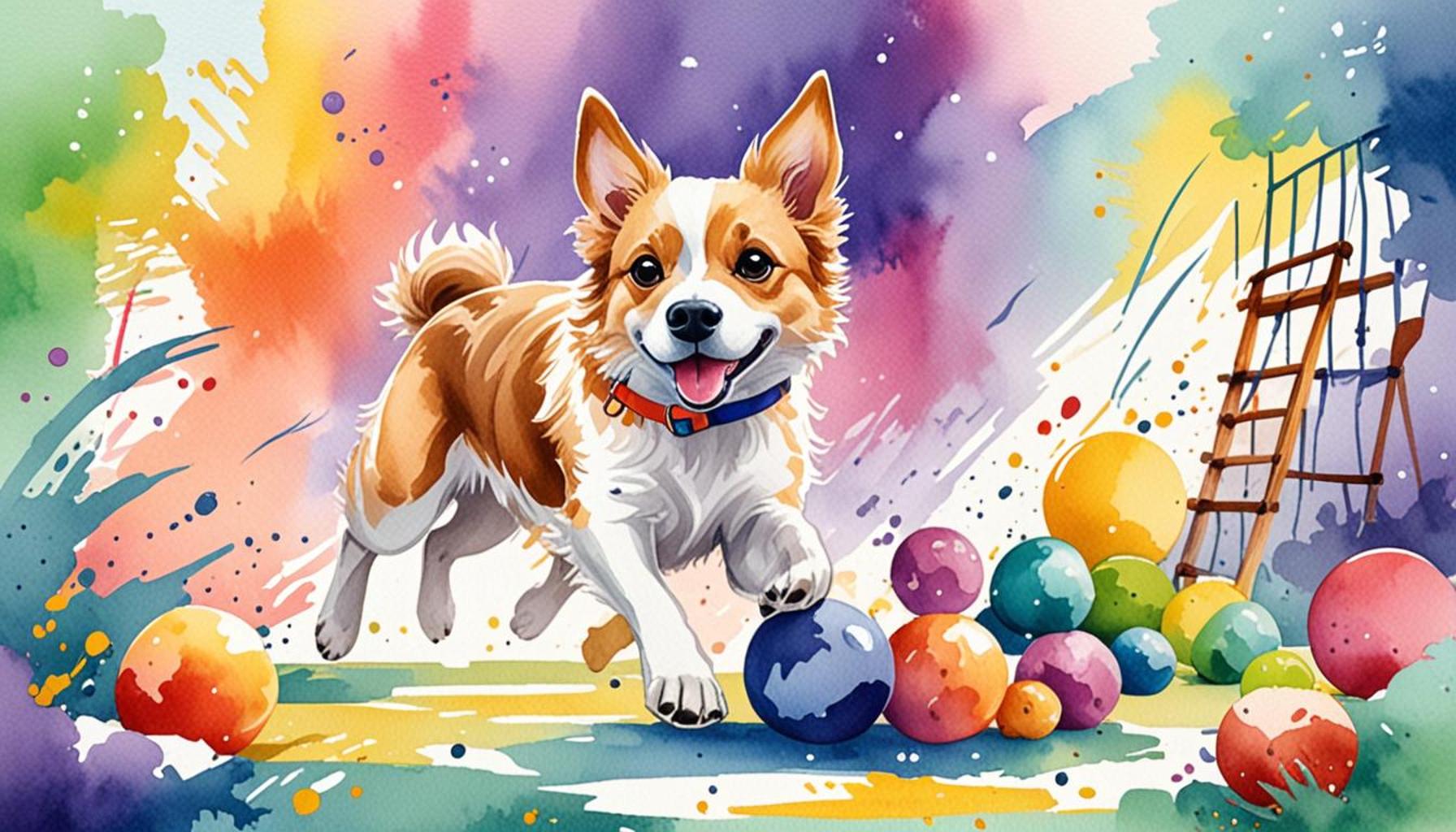
Understanding Your Pet’s Body Language During Training: A Guide for Owners

Unlock the Secrets of Your Pet’s Communication
Understanding your pet involves more than just knowing what they look like or what they enjoy to eat; it is about deciphering their expressive body language and vocalizations. As pet owners, it can be both enlightening and rewarding to learn how our animals convey their feelings and intentions. By becoming adept at interpreting these signals, we can enhance our training techniques and build a more harmonious relationship with our companion animals.
Pets communicate their emotions through a variety of physical cues, which often reflect their inner states. Paying attention to these signals can unfold new dimensions in your relationship with your pet. For instance:
- Ear Position: Observing the position of your pet’s ears can tell you a lot about their mood. Erect ears usually indicate curiosity or alertness. In contrast, when a pet’s ears flatten against their head, it can be a clear sign of fear or aggression, signaling that they might be overwhelmed or threatened.
- Tail Movement: While many people assume that a wagging tail always means a happy dog, this is not always the case. A slower, wide wag can indicate excitement and a friendly demeanor, while a fast, stiff wagging may suggest agitation or assertive behavior. Understanding the context of your pet’s tail movements can help you gauge their emotional state more accurately.
- Posture: The way a pet holds their body can communicate a wealth of information. For example, a dog that stands tall with an upright tail may be feeling confident or dominant, whereas a cowering, hunched stance can suggest submission or unease. Cats often communicate similarly; an arched back and puffed-up tail will commonly represent fear or defensiveness.
Recognizing these signals is crucial not just for effective training, but also for ensuring your pet’s well-being. By being observant, you can:
- Strengthen your bond with your pet through mutual understanding and respect for their emotions.
- Identify potential stressors in their environment that may affect their ability to learn or adjust to new commands.
- Modify your training approach based on your pet’s unique personality traits and comfort levels, ensuring a more positive experience for both of you.
By applying this knowledge, training evolves from merely issuing commands to fostering a deeper connection filled with empathy. Throughout this guide, we will explore how to decode your pet’s body language in various situations, ensuring successful training sessions that not only teach commands but also reinforce the trust between you and your furry companion. Delving into your pet’s communication styles will open up a new realm of understanding and companionship, enriching your lives together.
DIVE DEEPER: Click here for essential insights

Decoding Your Dog’s Signals
When training your dog, the importance of understanding their body language cannot be overstated. Dogs are incredibly intuitive creatures, and their subtle movements can reveal a wealth of information regarding how they are feeling about a training session. By paying close attention to these signals, you can tailor your approach and foster a more effective and enjoyable training experience.
Facial Expressions: A dog’s face is an essential part of their communication toolkit. Different expressions can indicate a range of emotions. A relaxed dog will often have a slightly open mouth, relaxed ears, and soft eyes. In contrast, a tense face with tightly closed lips, furrowed brow, and wide-open eyes can indicate stress or anxiety. Observing these facial clues can provide crucial insight into how your dog is responding to new commands or training exercises.
Vocalizations: Alongside body language, vocal sounds are another form of communication that should not be overlooked. Barking, whining, and growling can provide context to your dog’s emotional state. For example, sharp, repetitive barks can signify excitement or a need for attention, while low growls may suggest that a dog feels threatened or uncomfortable. Being attuned to these vocal cues can help owners adjust their training techniques more effectively.
Common Body Language Signals to Know
Understanding your dog’s body language involves recognizing a variety of signals that encompass their overall demeanor. Here are some common cues to watch for during training:
- Relaxed Body: A loose posture with a relaxed tail and ears indicates a willing and open attitude toward training.
- Dog Bow: When a dog bends their front legs with their rear end in the air, it is often an invitation to play or an expression of eagerness to interact.
- Turning Away: If your dog turns away or takes a step back during training, it might be a sign of discomfort or confusion. This is an important cue that they may need a break or a change in approach.
- Paw Lifting: When a dog lifts a paw, it often means they are uncertain or anxious about a situation. Be attentive to this behavior, as it can indicate that they are feeling overwhelmed.
Each dog is unique, and individual personalities play a significant role in how they express themselves. By observing and interpreting these body language signals, you can create a more supportive and effective training environment tailored to your pet’s specific needs. This not only enhances the learning experience but also deepens the bond between you and your dog, paving the way for a fulfilling partnership.
In the journey of training your dog, remember that your understanding of their body language can truly unlock the key to successful communication and learning. With these insights, you can transform training sessions into enjoyable experiences that bolster confidence and trust in your beloved canine companion.
| Body Language Signal | Interpretation & Training Application |
|---|---|
| Tail Position | A high tail often indicates excitement and readiness to engage, while a low tail may suggest fear or submission. Understanding this helps gauge mood and readiness for training. |
| <strong.Ear Posture | Ears erect signal attentiveness, meaning the pet is focused. However, flattened ears suggest anxiety. Recognizing these signals allows for tailored training strategies based on comfort levels. |
| <strong.Body Stance | A relaxed body indicates comfort, while a tense posture may mean stress. Adjust training intensity accordingly for maximum effectiveness. |
| <strong.Vocalizations | Different barks or whines express various emotions. For example, a high-pitched sound may indicate playfulness, while a growl often signals discomfort. Using vocal feedback can enhance communication during training. |
Understanding these indicators is crucial in shaping a positive training experience for your pet. Observing and responding to their body language not only fosters better communication but also builds a stronger bond of trust. Each signal can inform you about your pet’s emotional state, making your training sessions more effective and enjoyable. Discovering how small gestures can lead to breakthroughs in behavior provides a profound insight into pet ownership and training methodologies.
DIVE DEEPER: Click here to learn how pets’ diets impact our health
Understanding Your Cat’s Body Language
While dogs are often regarded as the quintessential companions in training, it’s essential not to overlook our feline friends who also display a rich tapestry of body language and signals. Cats, though often perceived as more independent and aloof, communicate their emotions and needs through a variety of visual cues, especially during training or behavioral modification efforts.
Tail Position: A cat’s tail is an expressive tool that reveals a lot about their mood. An upright tail often signifies confidence and friendliness, whereas a puffed-up tail indicates a cat is scared or agitated. Additionally, when a cat slowly sways their tail back and forth—often referred to as a “tip twitch”—it can signal that they are focused or in a playful mood. Recognizing these tail signals during training can help you create an atmosphere that aligns with your cat’s emotional state.
Key Signals to Recognize
As you engage in training sessions with your feline friend, becoming acquainted with their body language is key to understanding their responses. Here’s a closer look at some important signals to be mindful of:
- Slow Blinking: Cats often communicate affection and trust through slow blinking. If your cat gazes at you and slowly closes their eyes before re-opening them, they’re likely demonstrating contentment and a willingness to engage.
- Ears Orientation: The position of a cat’s ears can relay their emotional state. Forward-facing ears show curiosity and interest, while flat ears against the head may suggest fear or aggression. Knowing these signals can help you moderate your training techniques accordingly.
- Body Posture: A relaxed cat will typically lie down with their paws tucked under or sprawled out. Conversely, a cat that’s stiff, humped back, and arching may be feeling threatened or defensive. This distinction is essential; training should be adjusted to avoid putting additional stress on the cat.
- Purring vs. Hissing: While purring is generally a sign of contentment, cats also purr when they’re in pain or distressed. Conversely, hissing is a clear warning sign of discomfort or fear. Being aware of these vocalization contexts will help you decipher your cat’s emotions accurately.
Understanding these feline cues not only enhances your training sessions but creates opportunities for deeper connections with your cat. Recognizing that every cat is different—some may be more affectionate, while others might be more reserved—allows you to tailor your training methods to suit their personalities.
As you continue your journey into animal communication, remember that the more attuned you become to your pet’s unique body language, the stronger the trust and bond you will cultivate. Practicing patience and observation can lead to a more harmonious training experience, allowing for fruitful interactions that respect your pet’s feelings and comfort levels.
For pet owners, training is not simply about obedience; it’s a profound opportunity to engage with our beloved animals in ways that foster mutual respect and affection. As you refine your abilities to read the subtle clues your pet offers, you will discover a richer, more fulfilling dynamic that benefits both owner and pet alike.
DISCOVER: Click here to find the perfect cat for your family
Conclusion: The Power of Understanding Body Language in Pet Training
In the pursuit of training and bonding with our beloved pets, understanding their body language serves as a vital tool for any owner. Whether you share your life with a spirited dog or a whimsical cat, these animals communicate with us consistently, and their subtle cues offer profound insights into their emotional states. By tuning into their tail positions, ear orientations, and body postures, you can foster a supportive training environment that respects their comfort levels and promotes effective learning.
Moreover, recognizing individual differences among pets is crucial. Each animal has a unique personality that dictates how they respond to training and stimuli. It’s imperative to adapt your techniques to their specific needs, thus nurturing a bond built on trust and mutual understanding. This not only enhances the training experience but also deepens your overall connection.
The journey of understanding your pet’s body language during training is not merely about achieving obedience; it is about creating a tapestry of communication that brings you closer to your furry companions. As an owner, your ability to interpret their signals will evolve over time, leading to more harmonious interactions and a fulfilling relationship.
As you continue to learn and grow alongside your pet, remember that patience, observation, and empathy are the cornerstones of successful training. Equip yourself with this knowledge, and you will unlock a world of communication that enriches both your life and your pet’s. Embrace the journey—your pet’s silent language awaits!