Using Agility Training to Enhance Your Pet’s Skills and Bonding Experience
Explore the Transformative Effects of Agility Training
Agility training is much more than a pastime for pets; it serves as a transformative pathway that enhances their physical and mental abilities while deepening the bond you share with your furry companion. This engaging sport has surged in popularity across the United States, captivating pet owners and trainers alike with its multifaceted benefits and exciting challenges.
Why should you consider agility training for your pet? Here are several compelling reasons that highlight its advantages:
- Physical Fitness: Agility training is an outstanding way to help pets develop their physical fitness. Through rigorous exercises that promote strength, coordination, and endurance, pets can achieve improved muscle tone and overall health. Just like humans, pets require regular exercise to maintain a healthy weight and prevent obesity-related health issues, making agility training an enjoyable alternative to mundane walks.
- Mental Stimulation: Engaging in agility tasks goes beyond mere physical exertion; it is crucial for your pet’s cognitive development too. Problem-solving and focus are essential components of agility training, as pets must navigate various obstacles and respond swiftly to commands. This enriches their mental acuity and prepares them to tackle new challenges, both during training and in everyday life.
- Strengthened Bond: The collaborative nature of agility training fosters trust and effective communication between you and your pet. When you work together through obstacles, you learn to understand each other’s signals and needs better. This partnership creates a robust emotional connection, enhancing loyalty and affection.
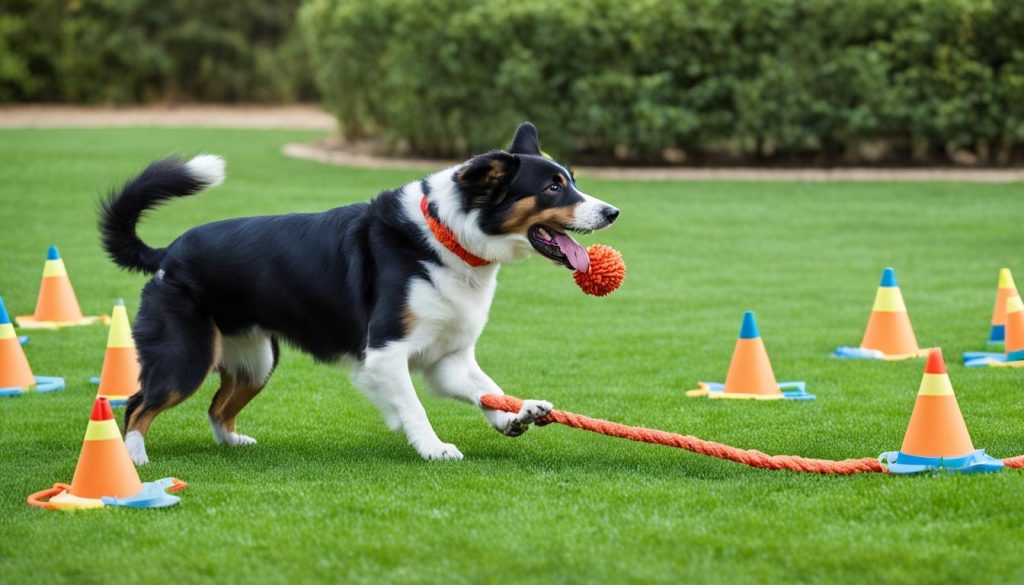
Agility training is not confined to formal competitions; it can also be tailored to various formats. From classic obstacle courses found in pet sports arenas to informal setups in your backyard, each method provides unique opportunities for pets to learn. Examples include navigating jumps, maneuvering through tunnels, and weaving between poles—all of which can be set up using easily accessible items like cones and hoops.
Moreover, agility training holds additional health benefits. Regular exercise can help lower the risks of various health issues such as joint problems and heart disease. It also fosters socialization; as your pet interacts with other dogs and people during training sessions or competitions, they develop better social skills, reducing anxiety and increasing confidence in various environments.
If you’re ready to explore this dynamic world of agility training, consider researching local clubs, classes, or online resources. These platforms can provide valuable guidance on getting started and techniques for refining your pet’s skills. With patience, practice, and lots of encouragement, you will undoubtedly witness remarkable improvements in your pet’s abilities and your relationship.
In summary, agility training offers a range of benefits that extend far beyond mere entertainment. It paves the way for a healthier, happier life for your pet, while also deepening the connection you share. So, why not take the leap into this thrilling adventure? Your furry friend will thank you!
DISCOVER MORE: Click here to learn how pets can improve your health
Unleashing Your Pet’s Potential Through Agility Training
As pet owners, we often seek ways to enrich our animal companions’ lives, ensuring they remain healthy, happy, and engaged. Agility training offers a remarkable opportunity to do just that by tapping into your pet’s innate abilities while strengthening the bond you share. This exhilarating sport combines physical activity with mental challenges, creating a holistic experience for both you and your pet.
To embark on this exciting journey, it’s essential to understand how agility training can be customized to suit different pet personalities and abilities. Not every pet will immediately take to the challenges presented in agility training, which is why it is crucial to start slow and introduce the sport gradually. Here are some initial steps to consider:
- Start with Basic Commands: Before diving into agility equipment, ensure that your pet has mastered basic obedience commands such as sit, stay, and come. These foundational skills will serve as the building blocks for completing agility courses.
- Introduce Low-Impact Obstacles: Begin with simple obstacles like low jumps or tunnels that are easy for your pet to navigate. Gradually increase the height and complexity as your pet gains confidence and skill.
- Positive Reinforcement: Using treats, praise, or toys as rewards will motivate your pet to engage fully in the training process. Celebrate small victories to keep the experience enjoyable.
- Frequent Breaks: Remember that agility training should be fun and not a chore. Allow your pet to take breaks as needed, ensuring that they remain excited about the training rather than overwhelmed.
With consistency and dedication, you will notice your pet’s agility skills improve as they become adept at understanding your cues and commands. Furthermore, this training experience not only enhances their physical performance but also enriches their emotional landscape. Pets that engage in agility training exhibit heightened confidence, which translates to improved behavior in various situations.
Moreover, agility training can foster a sense of community among pet owners. Many local organizations host agility events that allow pets to showcase their skills in a supportive environment. Participation in such activities can also introduce opportunities for socialization, for both pets and their owners, creating friendships and support networks that extend beyond the agility course.
As you consider incorporating agility training into your pet’s routine, you’ll likely encounter an array of resources tailored to help you develop your skills as an agility handler. Whether through local clubs, online forums, or instructional videos, there is a wealth of information available to guide you through the process. By diving into this rewarding world, not only will you elevate your pet’s abilities, but you will also cultivate a unique bond that lasts a lifetime.
| Advantages of Agility Training | Descriptions |
|---|---|
| Improved Obedience | Agility training requires focus and discipline, helping pets learn commands and respond quicker. |
| Stronger Bonding | Engaging in activities together fosters trust and affection between the pet and owner. |
| Physical Fitness | Agility courses promote exercise, helping to maintain a healthy weight and overall well-being. |
| Mental Stimulation | Navigating obstacles challenges pets mentally, enhancing their problem-solving skills and agility. |
Agility training offers numerous benefits that elevate your pet’s abilities while enriching the bond you share. The physical and mental stimulation involved in this type of training is priceless, turning routine exercise into a fun and engaging activity. Through structured courses, your pet learns to navigate through various obstacles, honing their coordination and speed. This not only improves agility but also makes learning commands easier and more effective.Furthermore, the time spent together in training can serve as a powerful bonding experience, as you and your pet work as a team. As your pet becomes more skilled, both the owner and pet will feel a sense of achievement, reinforcing a strong emotional connection. It is a win-win situation; while your pet gains the necessary skills to excel, you both enjoy the journey together. Exploring agility training can truly transform the dynamic of your companionship, making every session a step towards enhanced trust and skill.
DISCOVER MORE: Click here for helpful tips
Building a Stronger Connection Through Agility Training
The journey through agility training is not just about navigating obstacle courses; it’s also an enriching experience for the human-animal connection. As you and your pet embark on this shared adventure, you will unlock deeper levels of communication and trust. Achieving this requires a unique blend of patience, creativity, and consistency in your training approach.
One of the standout aspects of agility training is its emphasis on teamwork. Success depends on your ability to synchronize with your pet’s movements and instincts. This synchronization fosters a sense of understanding between you and your pet that can be transformative. Here are several techniques to enhance this bond:
- Create Visual Cues: Use hand signals, body movements, and consistent verbal cues to guide your pet through obstacles. The clearer your signals, the more intuitive your pet’s response will be, paving the way for seamless cooperation.
- Stay Engaged: Always maintain a positive and enthusiastic demeanor during training sessions. Your energy is contagious; if you’re excited, your pet will likely mirror that enthusiasm. This emotional engagement is crucial for building a strong bond.
- Incorporate Play: Integrate playtime with agility training. After navigating an obstacle course, allow time for fetch or tug-of-war. Blending work and play strengthens your relationship while reinforcing the joy of training.
- Set Joint Goals: Establish specific agility goals for both you and your pet. Whether aiming for a particular skill level or competing in an event, achieving these milestones together can be incredibly rewarding and solidifies your teamwork.
The psychological benefits of agility training extend beyond the obvious physical activity. Engaging your pet in agility exercises helps combat behavioral issues such as anxiety or excessive energy. According to research, dogs that participate in agility training are less likely to exhibit negative behaviors, as the structured nature of the activity provides mental stimulation alongside physical exertion. This is particularly valuable for restless breeds that thrive on action and engagement.
Moreover, the practice of agility can also cater to diverse needs among various breeds. For instance, while high-energy breeds like Border Collies and Australian Shepherds excel in traditional agility courses, smaller breeds can also reap the rewards of adapted training techniques. Mini obstacles designed specifically for little paws provide an equally enriching experience, demonstrating that agility training isn’t exclusive to larger breeds.
In addition to personal enrichment, agility training can also serve as a platform for greater socialization. Many agility training classes offer a broader community for pet owners and their animals. Socializing with others can lead to valuable interactions and camaraderie that enhances your pet’s experience. Many groups also organize agility competitions and fun days, which can transform training into a festive occasion for all involved.
No matter where you are in your agility training journey, remember that each step forward counts. Celebrate progress, enjoy the moments spent with your pet, and cherish the journey of creating a deeper bond through this exciting sport. Your commitment to agility can turn into lasting memories filled with accomplishment, joy, and, above all, a strengthened relationship with your beloved pet.
DISCOVER MORE: Click here for family-friendly cat breeds
Unlocking the Full Potential of Agility Training
In conclusion, agility training serves as a multifaceted tool that not only enhances your pet’s physical skills but also fosters a profound bond between you and your furry companion. As you navigate the challenges and triumphs of training together, you tap into an experience that goes beyond simple obedience; it’s about establishing a unique synergy that deepens your understanding of each other. The mutual achievements you celebrate, whether small obstacles or larger competitions, contribute to a relationship built on trust and enjoyment.
Moreover, the benefits of agility training extend far beyond the agility course itself. It provides crucial mental stimulation for pets, helping diminish behavioral issues while also addressing the diverse needs of various breeds. With programs that cater to both high-energy dogs and smaller breeds, agility training ensures that every pet has the opportunity to thrive.
Finally, engaging in this dynamic sport nurtures a community spirit, allowing pet owners to connect and share experiences that enrich their training journey. As you delve deeper into agility training, consider it as a platform not only for skills enhancement but also for community bonding and shared joy. Embrace this exhilarating endeavor, and watch as both you and your pet grow together, creating lasting memories and an unbreakable bond through every leap, weave, and jump.