
Using Positive Reinforcement to Train Your Dog: Benefits and Strategies

A Comprehensive Overview of Positive Reinforcement in Dog Training
Training your dog can indeed be both a rewarding and challenging journey. Among the various methods available, positive reinforcement stands out as an effective and humane approach. This technique focuses on rewarding good behavior rather than punishing undesirable actions, fostering a loving and trusting bond between you and your furry friend. It creates an environment where your dog feels valued and recognized for their efforts, which can lead to long-term behavioral improvements.
Why consider positive reinforcement? Here are some compelling reasons:
- Encourages desired behaviors: Rewarding your dog for good actions can lead to a more obedient pet. For instance, when your dog sits on command and receives a treat, it not only reinforces that specific action but also encourages them to repeat it.
- Strengthens the human-animal bond: Creating positive associations enhances your relationship. The affection shown during training sessions can create a safe space for your dog, allowing them to trust you implicitly.
- Promotes self-confidence: Dogs learn better when they feel secure and rewarded. Providing treats or praise for successful behaviors encourages them to explore their environment confidently, opening the door to more advanced training.
In the United States, many dog trainers and owners advocate for this method. The American Kennel Club (AKC) emphasizes that positive reinforcement is effective across various breeds and ages. Research shows that positive reinforcement does not only improve the learning process but also supports your dog’s emotional health, making them less fearful and more willing to engage.
Key components of positive reinforcement include:
- Treats: Small, tasty rewards can be highly motivating. Choosing treats that your dog finds particularly enticing, such as small bits of chicken or specially formulated dog treats, can enhance their willingness to learn.
- Praise: Verbal encouragement provides abundant emotional support. A simple “good boy!” or “great job!” paired with a belly rub can significantly boost your dog’s motivation to comply with your commands.
- Playtime: Engaging in enjoyable activities solidifies good behaviors. For instance, if your dog successfully learns to fetch, rewarding them with playtime can solidify that association and make training more enjoyable.
Ready to transform your dog training experience? Delving deeper into the benefits and strategies of positive reinforcement can lead to a happier, more well-behaved pup. Explore resources like training classes, online videos, or books by professional dog trainers recognized by the Association of Professional Dog Trainers (APDT). Each of these can provide you with practical tips and real-life examples of how to implement positive reinforcement effectively.
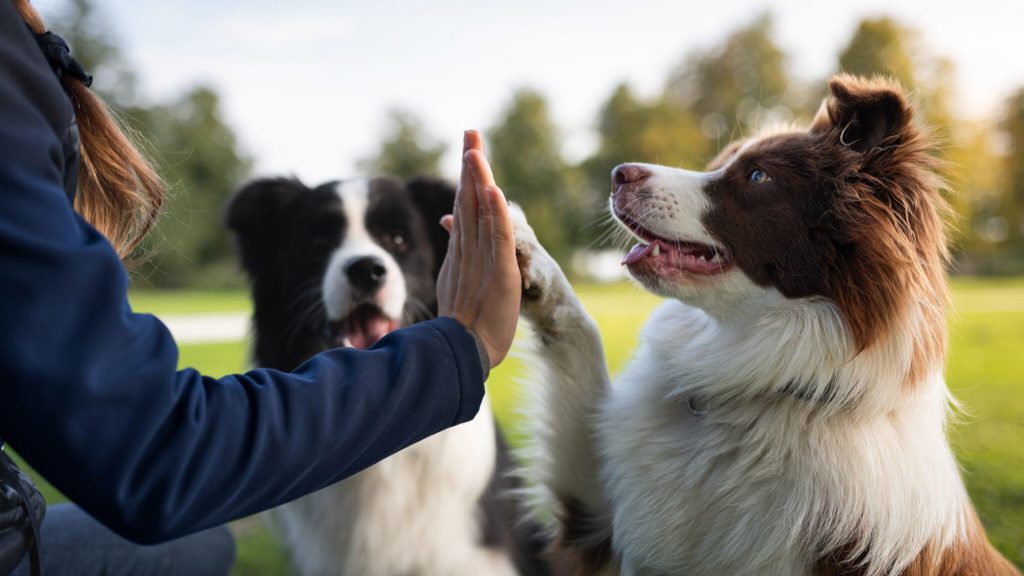
In conclusion, choosing positive reinforcement as your training method can enrich both your life and your dog’s. It fosters an environment of trust, encourages good behavior, and leads to a stronger bond with your canine companion. Take the time to explore the myriad of information available and see how positive reinforcement can transform your training journey.
DISCOVER MORE: Click here for effective dog training techniques
The Advantages of Positive Reinforcement in Dog Training
When it comes to dog training, positive reinforcement proves to be a game changer. This strategy, which involves rewarding your dogs for good behavior, is backed by growing evidence and reflects a modern understanding of canine psychology. By utilizing this approach, dog owners can experience numerous benefits that enhance their dog’s training experience and overall well-being.
One of the most obvious benefits of positive reinforcement is its ability to create a responsive and cooperative dog. When dogs are rewarded consistently for desired behaviors—such as sitting, staying, or coming when called—they quickly learn to associate those actions with positive outcomes. This leads to a higher likelihood of these behaviors being repeated in the future, essentially laying the groundwork for a well-mannered pet.
- Behavioral Consistency: Regular reinforcement of good behavior turns it into a habit. For instance, if you reward your dog every time they sit on command, they are more likely to do so in various situations, whether at home or in public.
- Lower Stress Levels: Unlike methods that rely on aversive stimuli, positive reinforcement minimizes the chances of causing stress or anxiety in dogs. By learning in a supportive environment, your dog remains calm and open to learning. This is especially important for more sensitive breeds that may react negatively to traditional training methods.
- Increased Motivation: Treats, praise, and play make learning not just effective but enjoyable for dogs. The anticipation of a reward can motivate them to tackle new challenges, from mastering advanced tricks to performing tasks required for therapy work.
Additionally, research indicates that positive reinforcement can improve your dog’s mental health. By fostering a sense of security and trust, dogs trained using this method are less likely to develop behavioral issues stemming from fear or anxiety, which are commonly seen in dogs trained with punishment methods. Feeling safe allows them to explore their environment confidently, enhancing their learning and socialization skills.
Moreover, the benefits extend beyond the training sessions and into daily life. For instance, a dog that has learned to associate excellent behavior with rewards is more likely to exhibit those behaviors while interacting with family members and guests. This is crucial for maintaining a harmonious household and avoiding unwanted behaviors, such as barking at strangers or jumping on guests.
Are you curious about how to implement these strategies effectively? As you embark on your training journey, it’s essential to identify the different types of rewards that resonate with your dog. Discovering what drives your furry friend can help refine your positive reinforcement techniques:
- Food Rewards: High-value treats can be a powerful motivator. Experiment with various options to find what excites your dog the most.
- Physical Affection: Some dogs thrive on human interaction and love. Patting, petting, and cuddling can be just as rewarding as treats for certain breeds.
- Interactive Play: Engaging your dog with a favorite toy or game after a successful behavior can strengthen their willingness to listen and obey.
In essence, understanding the benefits of positive reinforcement not only helps you train your dog more effectively but also nurtures the bond you share. Invest time in exploring various strategies and refining your training techniques to create a happier, well-adjusted companion.
| Advantage | Description |
|---|---|
| Enhances Bonding | Using positive reinforcement fosters a stronger, trusting relationship between the owner and the dog, promoting harmony. |
| Encourages Learning | This method motivates dogs to learn new commands and behaviors by associating them with positive outcomes, leading to a more engaged pet. |
Positive reinforcement is not just an effective training method; it also plays a pivotal role in enhancing the relationship between a dog and its owner. By rewarding desirable behaviors, dog owners can build a bond based on trust and appreciation, thereby creating a more enjoyable training experience. This not only makes training more effective but also encourages a happy and well-adjusted pet.Moreover, positive reinforcement opens doors for learning new commands and complex behaviors. Dogs, motivated by treats or praise, are likely to respond eagerly during training sessions. This enthusiasm fuels further attempts at learning, reducing instances of frustration often associated with traditional training methods. Additionally, this strategy allows for customization, as dog owners can discover what motivates their pet—be it treats, toys, or affection—and tailor the training to suit their canine companion’s unique personality.Implementing positive reinforcement strategies enriches the training journey, transforming it into a rewarding adventure for both the dog and the owner. By exploring this beneficial approach, dog owners can unveil a treasure trove of strategies that not only ensure effective training but also strengthen the lasting bond with their furry friends.
DISCOVER MORE: Click here for expert tips on training
Effective Strategies for Implementing Positive Reinforcement
Now that we’ve explored the numerous benefits of positive reinforcement in dog training, it’s essential to delve into specific strategies that can enhance your training sessions. While the concept may be straightforward, the effectiveness of this approach largely hinges on how well you implement it.
First and foremost, timing is crucial. You must reward your dog immediately after they perform the desired behavior. This association between the action and the reward solidifies their understanding of what they did right. For instance, if your dog successfully responds to the “sit” command, delivering a treat right then reinforces that act powerfully. Delaying the reward, even by a few seconds, can dilute the effectiveness of the training.
Another strategy to consider is utilizing a clicker as a training aid. A clicker, a small handheld device that emits a distinct sound, can serve as a valuable tool in indicating the precise moment your dog exhibits the desired behavior. The sound marks the behavior, followed promptly by a reward. This technique is especially useful in noisy environments where verbal commands may be less effective. Moreover, many trainers find that the clarity provided by a clicker results in faster learning and retention of commands.
In addition to food, physical affection, and play, varying your rewards can keep your dog engaged and motivated. Mixing up treat types, using different toys, or even introducing the element of surprise with a new game can maintain your dog’s interest during training sessions. For instance, you might reward your dog with training bites during a structured session, but surprise them with a fun game of fetch afterward to maintain excitement.
- Short Training Sessions: Aim for brief, focused sessions that last no more than 5 to 10 minutes. This prevents fatigue and keeps your dog’s attention sharp. You can always have multiple short sessions throughout the day.
- Consistent Cues: Use consistent verbal commands and hand signals for specific behaviors. This consistency fosters clarity for your dog and prevents confusion during training.
- Gradual Progression: As your dog masters simple tasks, gradually increase the difficulty level. This could mean lengthening the amount of time they need to stay before getting rewarded or introducing distractions during commands to further enhance their focus.
Socialization opportunities during training sessions can also significantly benefit your dog’s development. Introducing your dog to new environments, people, and other animals while utilizing positive reinforcement methods can enrich their learning experience. Each new situation is an opportunity for them to be rewarded for staying calm and responsive amidst the unknown.
Furthermore, it’s vital to recognize that not all behavior is training behavior. Occasionally, you may witness your dog acting inappropriately, such as barking excessively or chewing on furniture, due to boredom or lack of stimulation. In such cases, redirecting their energy through more appropriate activities and offering rewards for desired actions can help mitigate these unwanted behaviors.
In summation, integrating positive reinforcement into your dog training regime can be both rewarding and effective when combined with strategic methods. By focusing on timing, using clickers, varying rewards, and ensuring consistent cues, you set the stage for a successful and harmonious training experience. As you and your canine companion embark on this journey, remember that patience and perseverance will cultivate a deeper bond while cultivating a well-behaved furry friend.
DISCOVER MORE: Click here to learn essential training tips
Conclusion
In conclusion, using positive reinforcement to train your dog is not only effective but fosters a deeper emotional connection between you and your furry friend. This training approach encourages desired behaviors through rewards, enhancing both learning and emotional well-being. As highlighted throughout this article, the benefits of positive reinforcement extend beyond simple command mastery; it nurtures a trusting and joyful relationship where your dog excitedly engages in training rather than viewing it as a chore.
Understanding the significance of timing in delivering rewards, employing tools such as clickers, and maintaining variety in your training sessions are vital strategies that can help optimize your efforts. Moreover, incorporating opportunities for socialization and redirecting unwanted behaviors with constructive outlets not only improves your dog’s behavior but also enriches their overall quality of life. The techniques we’ve discussed can accommodate various learning styles, ensuring that each dog receives tailored training conducive to their personality.
As you venture further into the world of dog training, remember that consistency, patience, and a positive attitude can yield remarkable results. The journey may require time and dedication, but the payoff of a well-behaved companion is immeasurable. By harnessing the power of positive reinforcement, you are paving the way for not just good behavior, but also lifelong companionship filled with enthusiasm and joy. For more insights into dog training techniques and behavioral understanding, consider exploring additional resources and training workshops in your area.