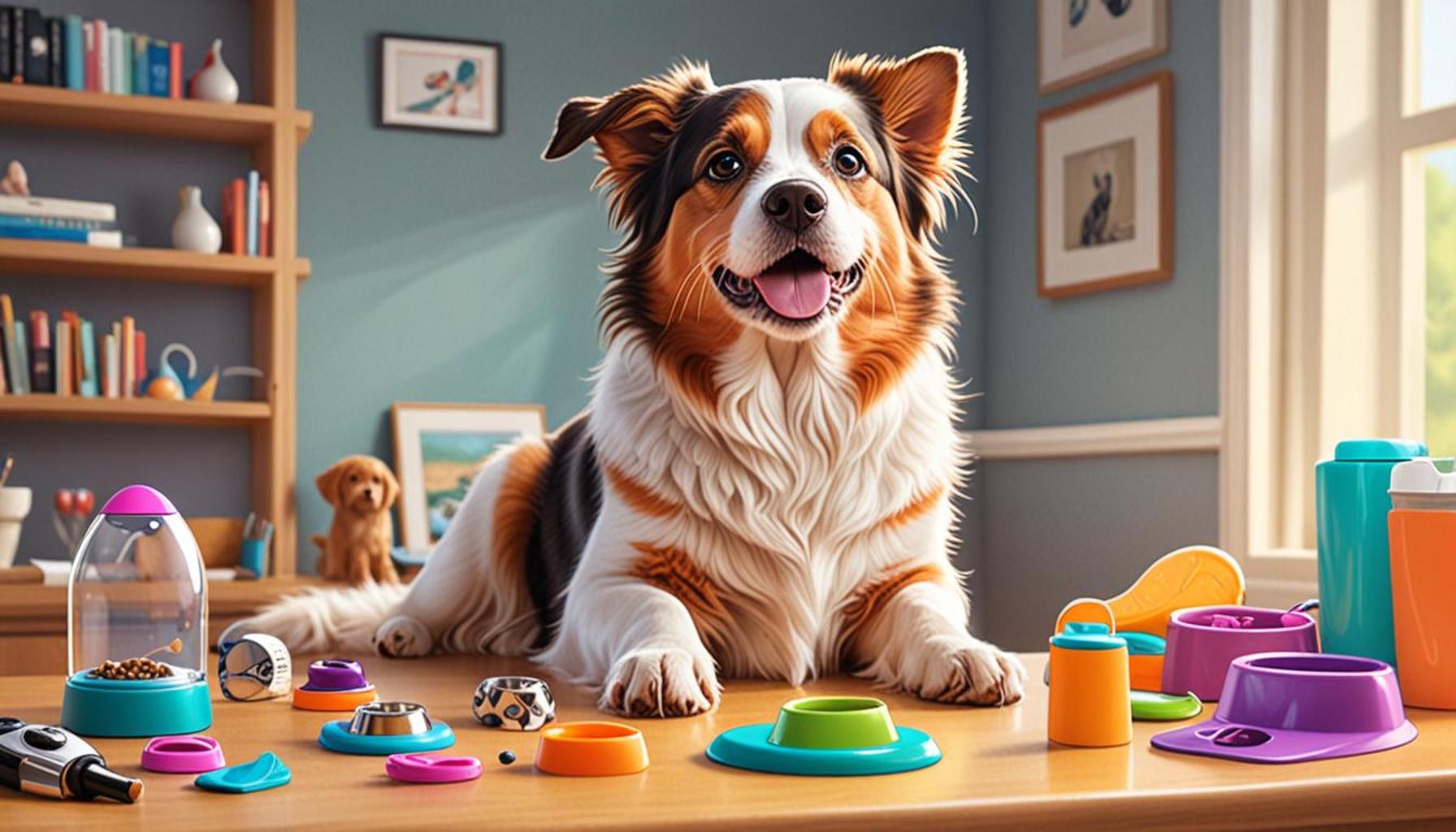
Utilizing Interactive Toys for Effective Training Sessions: Engaging Your Pet’s Mind

Unleashing Creativity and Stimulation Through Play
In an age where digital distractions dominate our lives, ensuring that our pets receive adequate mental engagement is crucial for their overall well-being. Interactive toys serve as an effective tool to not only entertain but also significantly enhance the learning process during training sessions.
Why should you consider integrating interactive toys into your pet’s routine? The benefits extend beyond mere amusement. Let’s delve deeper into some of the key advantages:
- Increased Focus: Interactive toys are designed to capture your pet’s attention, translating that focus into a more productive training experience. For example, when a dog is engaged with a puzzle toy that dispenses treats, its concentration on the task can lead to a greater retention of commands taught during training sessions.
- Enhanced Problem-Solving Skills: Many interactive toys challenge pets to think critically. For instance, toys that require dogs or cats to manipulate levers or compartments to release a food reward stimulate cognitive functions and can mirror real-life problem-solving situations.
- Reduced Boredom: Engaging with interactive toys can mitigate destructive behaviors stemming from boredom. This is particularly significant in younger pets, who might resort to chewing furniture or excessive barking when left alone. Consistent playtime with interactive options can redirect their energy into positive activities.
The pet toy market is brimming with innovative choices tailored to meet the mental and physical needs of our furry friends. Consider these engaging options:
- Puzzle Toys: These toys encourage dogs or cats to solve challenges that reward them with treats, effectively turning learning into a fun game. Examples include the Nina Ottosson series, which features a range of difficulty levels to cater to pets of all ages.
- Interactive Fetch Devices: Such as the Automatic Ball Launcher, which allows owners to engage their pets in a game of fetch without tiring themselves out. These devices often include adjustable distances, making them versatile for both indoor and outdoor play.
- Sound-Activated Toys: Toys that respond to sounds can stimulate your pet’s curiosity. For example, a toy that emits different noises when touched can keep a pet engaged as they learn to associate actions with outcomes.
As devoted pet owners, we are always on the lookout for innovative ways to bond with our beloved companions. Incorporating interactive toys into your pet’s daily routine can transform ordinary training exercises into an enjoyable adventure for both you and your furry friends. This interactive approach not only nourishes your pet’s mind but also fortifies the bond between pet and owner, making every moment spent together rich with opportunity for growth and connection.
LEARN MORE: Click here for essential tips
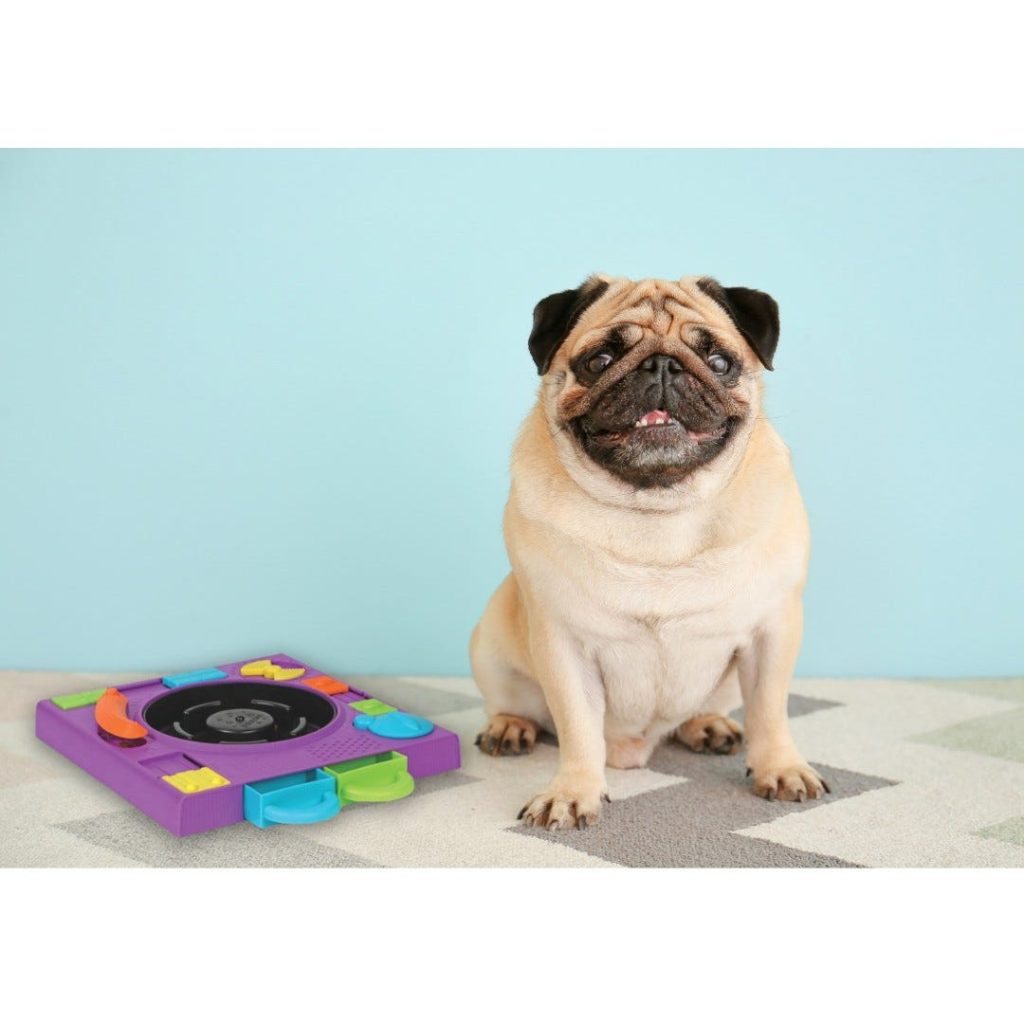
Innovative Approaches to Training
Training your pet can often feel like an uphill battle, especially when traditional methods seem to yield limited results. However, utilizing interactive toys can redefine the way you approach training sessions, making them more engaging and effective. Instead of mere repetition of commands, incorporating these playful gadgets introduces an element of fun, challenge, and motivation that traditional training styles often lack.
At the core of effective training lies the principle of motivation. Interactive toys not only serve as rewards but also as tools that can enhance the learning environment. To grasp why these innovative toys can make such a significant difference, consider the following aspects:
- Variety of Engagement: Interactive toys provide diverse ways to learn. For example, dogs can learn to sit or stay while engaging with toys that dispense treats when they follow commands correctly. This not only reinforces behavior but also keeps the sessions dynamic and interesting.
- Incorporation of Play: Combining training with play is a natural way to engage your pet’s mind. Toys that require your pet to think critically to retrieve their reward can be the key to making commands stick. This shift turns training sessions into enjoyable games rather than monotonous drills.
- Adaptability: Many interactive toys come with adjustable settings to cater to different skill levels, allowing you to customize the challenge according to your pet’s progress. This flexibility is particularly beneficial in households with multiple pets, each with varying levels of ability and experience.
Moreover, these toys are not only useful in honing basic obedience commands but also in teaching advanced tricks and behaviors. Here are a few types of interactive toys that can revolutionize the training experience:
- Enrichment Balls: These are specially designed to dispense treats when rolled or nudged in a certain manner. Dogs learn through exploration and movement, thereby developing their skills while having fun.
- Training Apps and Smart Toys: With technology making its way into pet care, many interactive devices now connect with apps. These smart toys can ask pets to respond to commands via interactive games, rewarding them as they progress and learn.
- Cognitive Challenge Toys: Assessments of intelligence are crucial in training; toys that feature a combination of tasks requiring problem-solving skills cater to this need. They can include sliding pieces, lifting lids, or creating sequences that must be solved for the reward to be accessed.
The impact of incorporating interactive toys into your training routine can be profound. Rather than requiring a confrontational approach to training, these tools promote cooperation and enthusiasm, encouraging your pet to actively participate in their development. Through creative methods, you can help your pet not only understand commands but also build confidence and a stronger bond with you.
| Advantage | Description |
|---|---|
| Mental Stimulation | Interactive toys challenge your pet’s cognitive abilities, keeping their minds sharp and engaged. |
| Enhanced Bonding | Using these toys during training sessions fosters a stronger human-animal connection, enhancing trust and understanding. |
| Behavioral Improvement | Engaging your pets with interactive toys often leads to reduced destructive behaviors as they channel their energy into play. |
| Adaptable Learning | From puppies to senior pets, interactive toys can be tailored to different ages and abilities, promoting lifelong learning. |
Utilizing interactive toys plays a pivotal role in enhancing training sessions for your pets, providing not just entertainment but also essential mental and physical engagement. By incorporating these toys into your training routine, you elevate the experience to a level of profound meaning that can shape your pet’s behavior and well-being. The key lies in selecting the right toys that challenge their thinking while ensuring the experience remains fun and rewarding.For instance, puzzle toys encourage problem-solving skills, requiring pets to think critically about how to obtain a treat, while providing an avenue for natural instincts. Additionally, toys that incorporate rewards for successful engagement promote healthy reinforcement strategies, crucial for effective training. This style not only transforms boring sessions into engaging games but also offers valuable opportunities for learning new commands and tricks. Investing in your pet’s mental fitness through these interactive tools can significantly enhance their quality of life while creating a playful atmosphere that is conducive to growth. Exploring a variety of interactive toys may even uncover hidden talents and preferences that could define your pet’s unique personality. Understanding and addressing these needs enables a fulfilling relationship between you and your pet, as you both embark on this exciting training journey together.
DISCOVER MORE: Click here to learn about the benefits of animal-assisted therapy
Enhancing Cognitive Skills Through Play
Interactive toys are not just a passing trend; they are paving the way for a revolutionary approach to pet training that focuses on engaging the mind. The world today is increasingly recognizing that mental stimulation is as crucial for pets as physical exercise. Studies have shown that pets, particularly dogs, that are mentally stimulated exhibit fewer behavioral problems, have reduced anxiety levels, and demonstrate a higher receptiveness to learning.
Moreover, active engagement with interactive toys can cultivate essential skills that benefit your pet beyond just basic training commands. The following benefits illustrate how cognitive toys can enrich your pet’s experience, making training sessions genuinely rewarding:
- Problem-Solving Abilities: By introducing toys that require problem-solving, you challenge your pet to think critically. For instance, puzzle toys that require removing blocks or digging to uncover treats push your pet to deduce solutions rather than just rely on reflexes, promoting significant cognitive growth.
- Boosting Patience and Focus: Many interactive toys involve a series of steps before achieving a reward. As pets learn to wait for their turn or to complete a sequence to receive their treat, they develop patience and focus—two essential qualities in both training and daily life.
- Social Skills Development: Interactive toys can also encourage social play. Toys designed for multiple pets can foster healthy competition and collaborative problem-solving, allowing pets to learn not only how to interact with humans but also with each other. This is particularly beneficial for households with several animals, as they learn to work as a team instead of each pet isolating itself.
Another fantastic advantage of utilizing interactive toys is their ability to serve as versatile training tools. While some toys emphasize obedience and basic commands, others can introduce complex behavioral modifications. For example:
- Clicker Training Combinations: Merging clicker training with interactive toys can increase effectiveness. Using a clicker to immediately signal when the pet engages with the toy in the desired manner reinforces positive behavior instantly, enhancing the learning experience.
- Dual-Purpose Toys: Some toys are designed to accommodate both physical play and training. Fetch toys that reward with treats once the command is performed successfully can establish a thorough understanding of the task while encouraging physical activity.
To maximize results, it’s essential to understand your pet’s unique preferences and inclinations. Spending time observing which toys capture their attention can lead to more fruitful training sessions. For instance, some dogs thrive on tactile experiences, favoring chewable toys that require them to work harder to get their treats, whereas others may be more stimulated by auditory or visual elements. Choosing the right toy is key to catering to your pet’s individual learning style.
As you incorporate these innovative approaches to training, don’t overlook the importance of variety. Rotating toys not only keeps sessions fresh and exciting but also continually challenges your pet’s abilities. By embracing the versatility of interactive toys, you are setting the stage for a rewarding and engaging training experience that not only teaches commands but also strengthens the bond you share with your beloved companion.
LEARN MORE: Click here for practical training tips
Conclusion: The Future of Pet Training
In summary, utilizing interactive toys in your pet’s training regimen can transform traditional practices into dynamic and engaging experiences. These toys not only provide mental stimulation but also enhance cognitive skills critical for behavioral improvement. By challenging your pet to think, solve problems, and interact socially, you are fostering a more well-rounded personality that transcends basic obedience.
The multifaceted benefits of interactive toys—ranging from improved patience to refined social skills—underscore their importance as essential training tools. Additionally, when complemented by techniques like clicker training and varied play patterns, these toys can significantly elevate your pet’s learning capacity and enjoyment. This progressive approach not only keeps your pet entertained but actively promotes a healthier relationship forged through shared challenges and rewards.
As you delve deeper into this innovative training technique, remember to be intentional about selecting toys that align with your pet’s preferences. Each pet is unique, and understanding their individual learning styles can enhance the effectiveness of your sessions. By keeping the training process fresh with a diverse range of interactive toys, you create an enriching environment that nurtures both their minds and spirits.
Ultimately, engaging your pet’s mind through interactive play not only leads to effective training but also strengthens the bond between you and your furry companion. Embrace this multifaceted approach to pet training, and watch as your sessions become more productive, enjoyable, and harmonious.